issa
Tshisekedi’s Conflicting Statements on the FDLR Deepen Congo’s Crisis of Credibility

Tshisekedi’s Conflicting Statements on the FDLR Deepen Congo’s Crisis of Credibility

Oct 28, 2025 - 18:07
 0

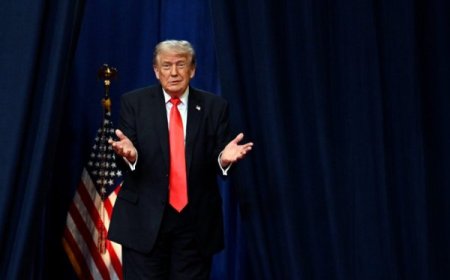
President Félix Tshisekedi’s shifting rhetoric on the FDLR has raised questions about Congo’s credibility and consistency in addressing regional insecurity. Analysts say his contradictory statements ranging from acknowledgment to outright denial reflect deeper political and moral confusion within Kinshasa’s leadership.


Few issues expose the moral and strategic confusion within the Congolese government as clearly as President Félix Tshisekedi’s inconsistent remarks about the Democratic Forces for the Liberation of Rwanda (FDLR). 

Across international platforms, television interviews, and political rallies, the Congolese leader has repeatedly shifted his tone, revealing a lack of coherent policy or perhaps a calculated ambiguity designed to serve domestic interests. 

In 2019, Tshisekedi acknowledged during an interview that “Rwanda is threatened by instability emanating from the DRC,” implicitly identifying the FDLR as a key source of insecurity in the region. The admission was welcomed as a rare moment of candor and raised hopes of a more responsible approach to addressing the armed groups operating in eastern Congo. 

That optimism, however, was short-lived. Political expediency soon appeared to take precedence over principle. At the United Nations General Assembly, Tshisekedi adopted a markedly different tone, insisting that “the FDLR have been decapitated and reduced to nothing. Which FDLR are we talking about?” His remarks were met with skepticism, even among Congolese citizens sympathetic to his government. 

During an interview with France 24, the president described the FDLR as “bandits and highway robbers,” before later minimizing their relevance in a Kinshasa television appearance, calling them “residual forces made up of old men from 1994 who are now grandfathers.” 

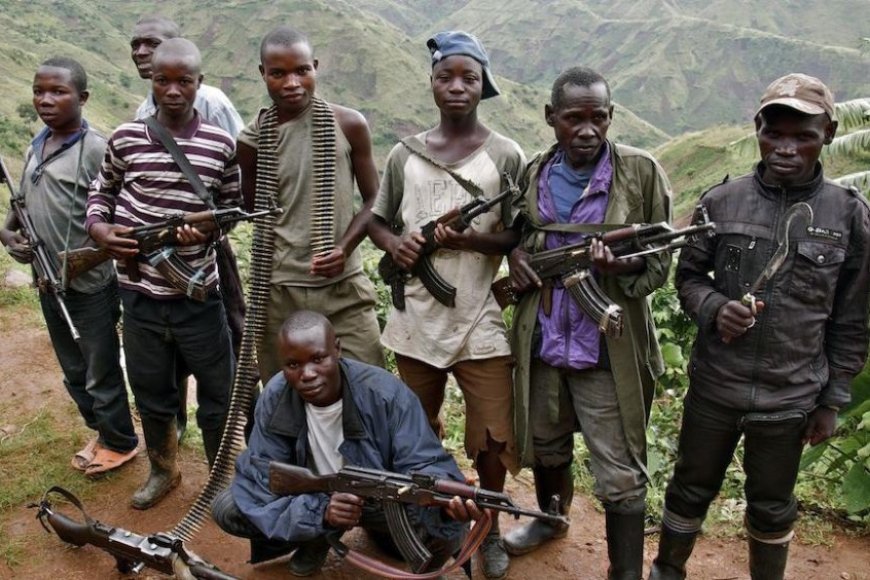
Such dismissive language contrasts sharply with reports from independent observers and humanitarian organizations that continue to document the FDLR’s presence and activity in North Kivu. Analysts note that despite their reduced size, the group remains involved in operations alongside elements of the Congolese army (FARDC) a claim that Kinshasa has repeatedly denied. 

Also Read:

General Sylvain Ekenge, spokesperson for the Congolese military, recently suggested that “the FDLR that Rwanda is looking for are now in areas occupied by Rwanda and the AFC/M23.” His comments, viewed by regional experts as an attempt to deflect criticism, underscore what some describe as the government’s strategy of denial and deflection. 

“The FDLR have long been both a liability and a political tool for successive Congolese administrations,” said a regional analyst based in Nairobi. “Their presence allows Kinshasa to justify continued military deployments in the east while blaming Rwanda for the ongoing insecurity.” 

Critics argue that this ambiguity serves short-term political goals but undermines the country’s credibility on the international stage. By refusing to confront the FDLR issue directly, they say, the Congolese government risks deepening mistrust with its neighbors and alienating potential allies. 

Rwanda, meanwhile, has maintained that no nation can tolerate the presence of an armed group across its border that includes perpetrators of the 1994 genocide. Kigali insists that the FDLR’s continued activity represents a direct threat to its national security. 

Diplomatic observers warn that as long as Kinshasa continues to oscillate between denial and acknowledgment, efforts to stabilize eastern Congo will remain fragile. “There are silences that condemn, and lies that eventually come to light,” one diplomat noted. 

For now, Tshisekedi’s contradictory statements reflect a deeper political dilemma  a government caught between the burden of history and the temptation of expedience, with truth too often the casualty.

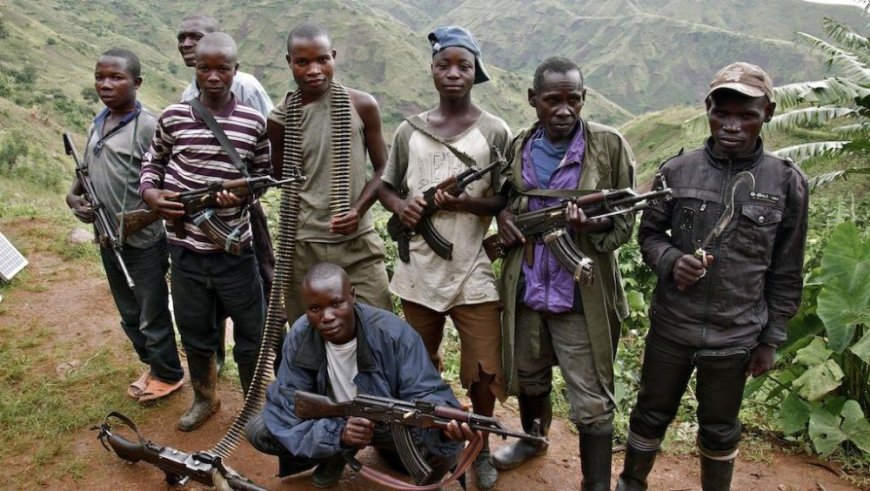
President Félix Tshisekedi’s conflicting statements on the FDLR raise fresh questions about Congo’s credibility and regional security policy.

Layla kamanzi Layla Kamanzi is a passionate journalist and creative writer with a keen eye for impactful storytelling. As a Journalism and Mass Communication student at Mount Kenya University, she is dedicated to using words as a tool to inform, inspire, and amplify the voices of everyday people. Driven by curiosity and a love for truth, Layla explores stories that shape communities and spark meaningful conversations. She enjoys blending facts with compelling narratives to create content that educates, empowers, and connects audiences across East Africa and beyond.
Tshisekedi’s Conflicting Statements on the FDLR Deepen Congo’s Crisis of Credibility

Oct 28, 2025 - 18:07
 0
Tshisekedi’s Conflicting Statements on the FDLR Deepen Congo’s Crisis of Credibility

President Félix Tshisekedi’s shifting rhetoric on the FDLR has raised questions about Congo’s credibility and consistency in addressing regional insecurity. Analysts say his contradictory statements ranging from acknowledgment to outright denial reflect deeper political and moral confusion within Kinshasa’s leadership.


Few issues expose the moral and strategic confusion within the Congolese government as clearly as President Félix Tshisekedi’s inconsistent remarks about the Democratic Forces for the Liberation of Rwanda (FDLR). 

Across international platforms, television interviews, and political rallies, the Congolese leader has repeatedly shifted his tone, revealing a lack of coherent policy or perhaps a calculated ambiguity designed to serve domestic interests. 

In 2019, Tshisekedi acknowledged during an interview that “Rwanda is threatened by instability emanating from the DRC,” implicitly identifying the FDLR as a key source of insecurity in the region. The admission was welcomed as a rare moment of candor and raised hopes of a more responsible approach to addressing the armed groups operating in eastern Congo. 

That optimism, however, was short-lived. Political expediency soon appeared to take precedence over principle. At the United Nations General Assembly, Tshisekedi adopted a markedly different tone, insisting that “the FDLR have been decapitated and reduced to nothing. Which FDLR are we talking about?” His remarks were met with skepticism, even among Congolese citizens sympathetic to his government. 

During an interview with France 24, the president described the FDLR as “bandits and highway robbers,” before later minimizing their relevance in a Kinshasa television appearance, calling them “residual forces made up of old men from 1994 who are now grandfathers.” 

Such dismissive language contrasts sharply with reports from independent observers and humanitarian organizations that continue to document the FDLR’s presence and activity in North Kivu. Analysts note that despite their reduced size, the group remains involved in operations alongside elements of the Congolese army (FARDC) a claim that Kinshasa has repeatedly denied. 

Also Read:

General Sylvain Ekenge, spokesperson for the Congolese military, recently suggested that “the FDLR that Rwanda is looking for are now in areas occupied by Rwanda and the AFC/M23.” His comments, viewed by regional experts as an attempt to deflect criticism, underscore what some describe as the government’s strategy of denial and deflection. 

“The FDLR have long been both a liability and a political tool for successive Congolese administrations,” said a regional analyst based in Nairobi. “Their presence allows Kinshasa to justify continued military deployments in the east while blaming Rwanda for the ongoing insecurity.” 

Critics argue that this ambiguity serves short-term political goals but undermines the country’s credibility on the international stage. By refusing to confront the FDLR issue directly, they say, the Congolese government risks deepening mistrust with its neighbors and alienating potential allies. 

Rwanda, meanwhile, has maintained that no nation can tolerate the presence of an armed group across its border that includes perpetrators of the 1994 genocide. Kigali insists that the FDLR’s continued activity represents a direct threat to its national security. 

Diplomatic observers warn that as long as Kinshasa continues to oscillate between denial and acknowledgment, efforts to stabilize eastern Congo will remain fragile. “There are silences that condemn, and lies that eventually come to light,” one diplomat noted. 

For now, Tshisekedi’s contradictory statements reflect a deeper political dilemma  a government caught between the burden of history and the temptation of expedience, with truth too often the casualty.
President Félix Tshisekedi’s conflicting statements on the FDLR raise fresh questions about Congo’s credibility and regional security policy.