 Kinyarwanda
 English
 Swahili















































Rwanda’s Fertility Rate Drops to 3.7 as Maternal and Child Health Indicators Improve – RDHS 2025

Rwanda has recorded a significant decline in fertility and notable improvements in maternal and child health, according to preliminary findings from the 2025 Rwanda Demographic and Health Survey (RDHS) released by the National Institute of Statistics of Rwanda (NISR).

The survey shows that the Total Fertility Rate (TFR) has fallen to 3.7 children per woman, down from 6.1 in 2005, reflecting sustained progress in family planning uptake, girls’ education, and access to health services. Fertility remains higher in rural areas, where women are expected to have an average of 3.9 children compared to 3.4 among urban women. Regionally, the Eastern Province records the highest fertility rate at 4.0, while the City of Kigali has the lowest at 3.1.
Teenage pregnancy continues to decline but remains a concern. The RDHS 2025 indicates that 8 percent of girls aged 15–19 have ever been pregnant. The likelihood of teenage childbearing increases sharply with age, from less than 1 percent at age 15 to 20 percent at age 19. Teenage girls from poorer households and those living in the Eastern Province are more likely to begin childbearing earlier than their peers.
The report also highlights changing fertility preferences among women. Nearly half of women (47 percent) report that they want no more children, while 13 percent wish to have another child within the next two years and 37 percent prefer to wait at least two years. This trend aligns with the continued expansion of family planning services across the country.
Family planning use remains high, with 69 percent of currently married women using some form of contraception. Modern methods account for the majority at 64 percent, with implants being the most widely used method (34 percent), followed by injectables (14 percent) and pills (7 percent). Contraceptive use is slightly higher in rural areas than urban areas and is highest in the Northern Province.
Maternal health indicators show strong performance. The survey reveals that 95 percent of women who gave birth in the two years preceding the survey received antenatal care from a skilled provider at least once, and 78 percent attended four or more antenatal care visits. Education plays a key role, with women who have higher education levels more likely to access skilled antenatal care.
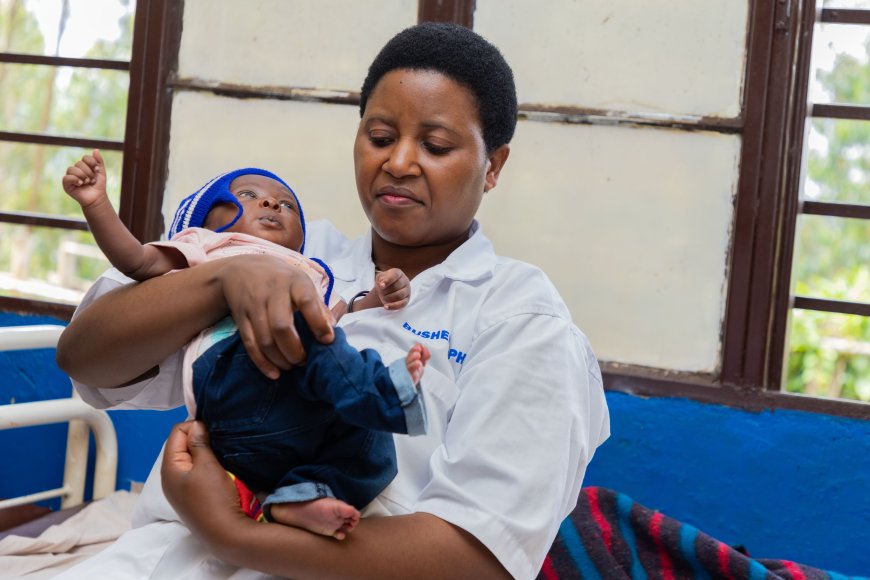
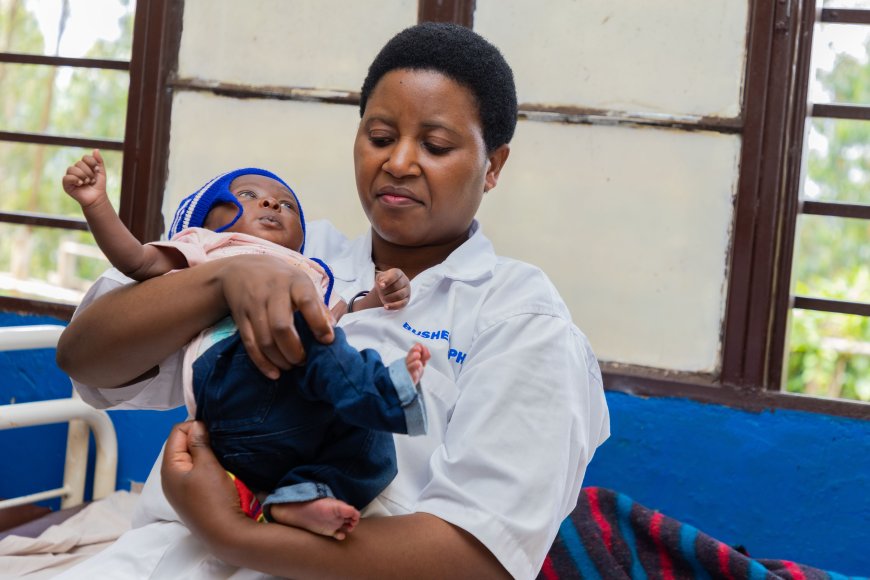
Health facility deliveries are now nearly universal in Rwanda. The 2025 RDHS reports that 98 percent of births were delivered in health facilities and attended by skilled health providers, maintaining the high levels recorded since the 2014–15 survey.
Postnatal care, while improving, still shows gaps. About 68 percent of women received a postnatal check-up within the first two days after delivery. Coverage is higher among women living in urban areas and those with higher education and wealth levels.
Child health indicators remain strong, particularly in immunization. The survey finds that 94 percent of children aged 12–23 months are fully vaccinated. Coverage for key vaccines is high, with 98 percent receiving BCG, 97 percent receiving three doses of DPT-containing vaccines and OPV, and 97 percent vaccinated against measles.
Overall, the RDHS 2025 findings point to steady progress in reproductive, maternal, and child health in Rwanda, while also highlighting areas such as teenage pregnancy and postnatal care where continued attention and investment are needed.