 Kinyarwanda
 English
 Swahili








































Health Outcomes Improve While Teenage Pregnancies Climb from 5% to 8% Between 2020–2025

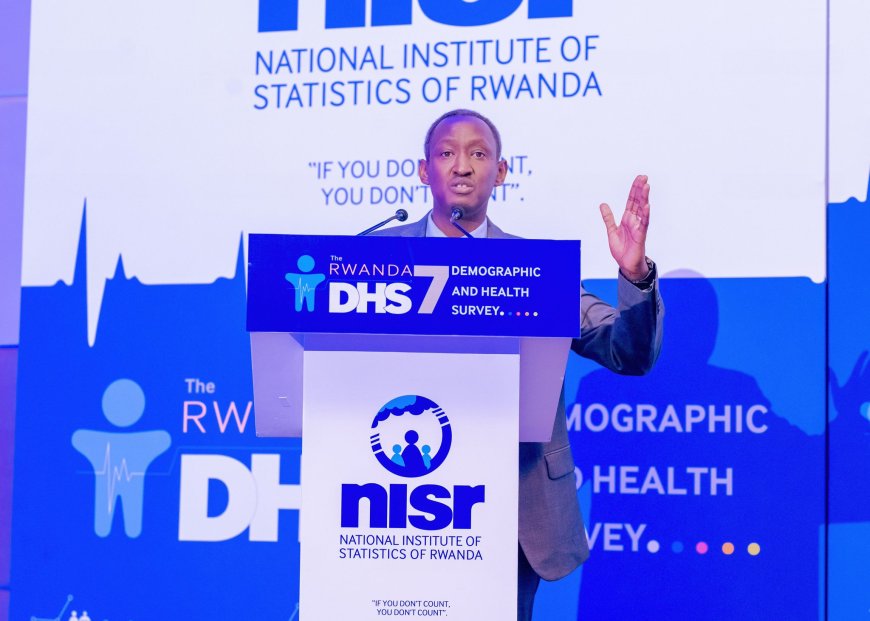
The National Institute of Statistics of Rwanda (NISR) has released the findings of the 7th Demographic and Health Survey (DHS7), highlighting notable improvements in maternal and child health, while signaling a worrying rise in teenage pregnancies from 5% in 2020 to 8% in 2025.

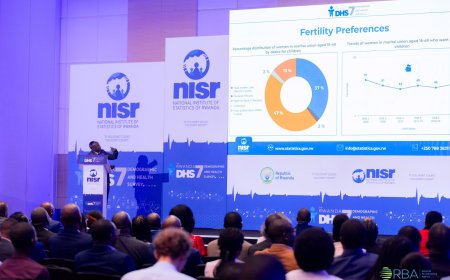
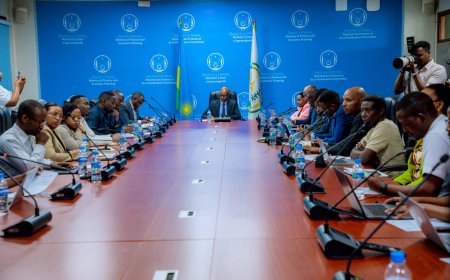
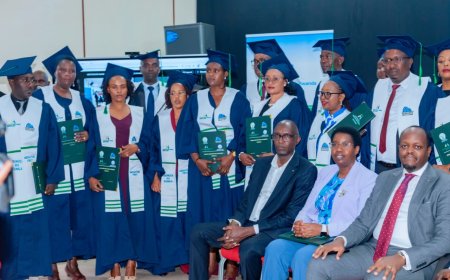
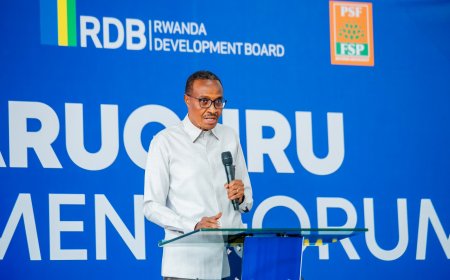
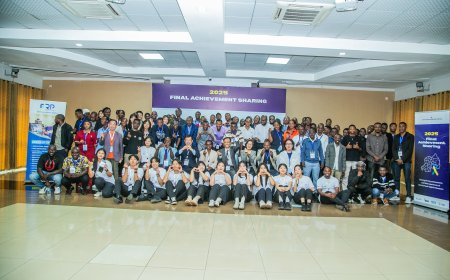
The survey was unveiled on Wednesday at the Kigali Convention Centre, attended by senior government officials, development partners, and other stakeholders.
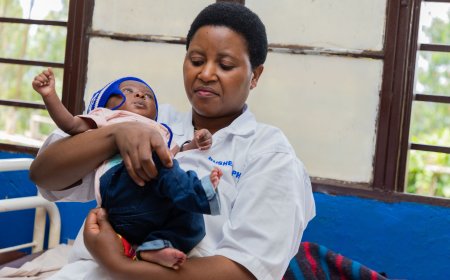
According to NISR Director General Ivan Murenzi, child stunting among children under five declined from 33% in 2019/2020 to 27% in 2025, marking a six-percentage-point reduction. He noted that the improvement reflects ongoing efforts to enhance child nutrition and household well-being. The total fertility rate among Rwandan women also dropped from 4.1 to 3.7 during the same period, reflecting wider access to family planning services.
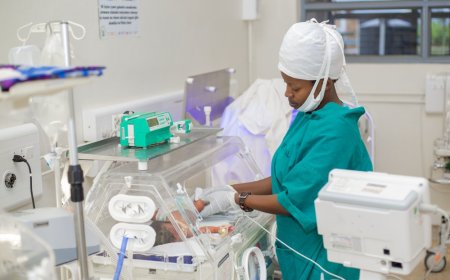
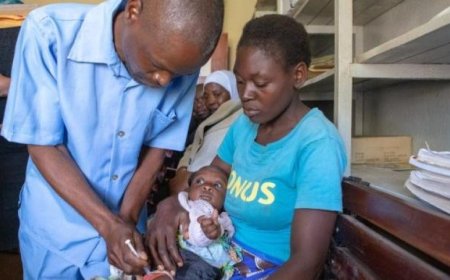
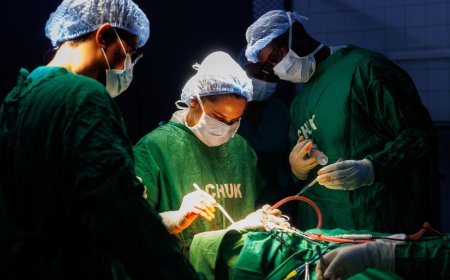
In maternal and child health, institutional deliveries reached 98% nationwide, contributing to a reduction in neonatal mortality to 36 deaths per 1,000 live births. Maternal mortality also declined to 149 deaths per 100,000 live births.
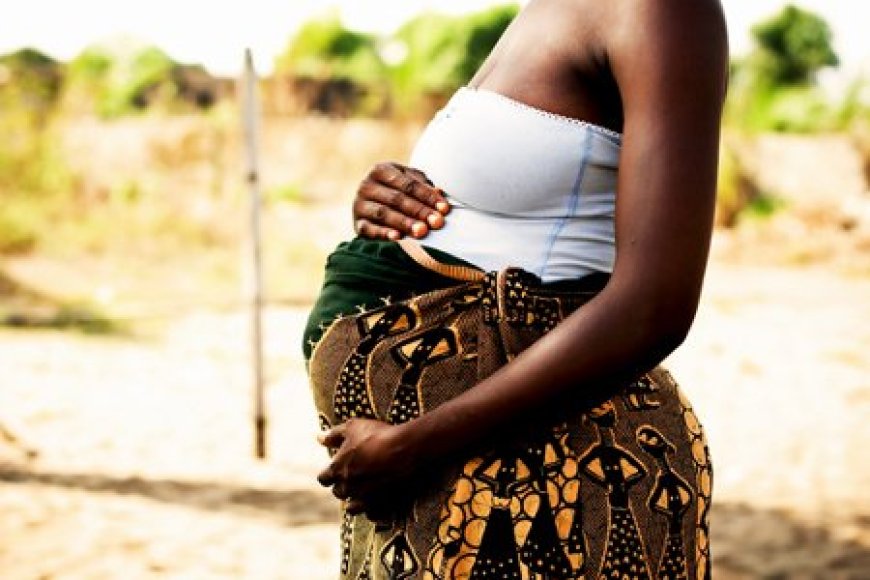
However, the survey highlights a growing concern: teenage pregnancies among adolescents aged 15–19 increased from 5% in 2020 to 8% in 2025. Minister of Health Dr Sabin Nsanzimana said the government will intensify efforts to address the weaknesses behind this trend, stressing that children born to teenage mothers often face lower survival chances.
“Losing a mother or a child is a major tragedy. The most critical moment in life is childbirth one person is giving life while another is just beginning it. Losing someone at such a moment is a serious issue,”
Dr Nsanzimana noted. He emphasized the importance of continuing efforts to further reduce maternal and newborn deaths and combat child stunting.
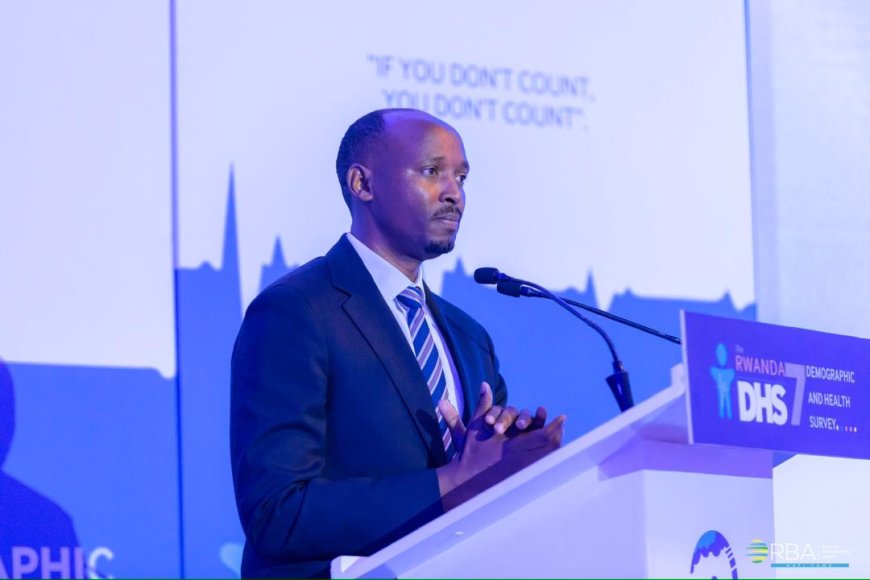
Minister of Finance and Economic Planning Yusuf Murangwa added that the survey provides strong evidence to guide policy and interventions under the National Strategy for Transformation (NST2), calling on stakeholders to use the data to target high-impact actions.
Overall, DHS7 illustrates Rwanda’s progress in health outcomes while underscoring the urgent need to address rising teenage pregnancies to safeguard the well-being of both young mothers and their children.