 Kinyarwanda
 English
 Swahili






































Rwanda Launches Biodiversity Investment Plan Worth Rwf 300 Billion

The Government of Rwanda has unveiled a new national policy designed to attract investments that promote biodiversity conservation and climate resilience, with an estimated budget of Rwf 300 billion to be mobilized by 2030.

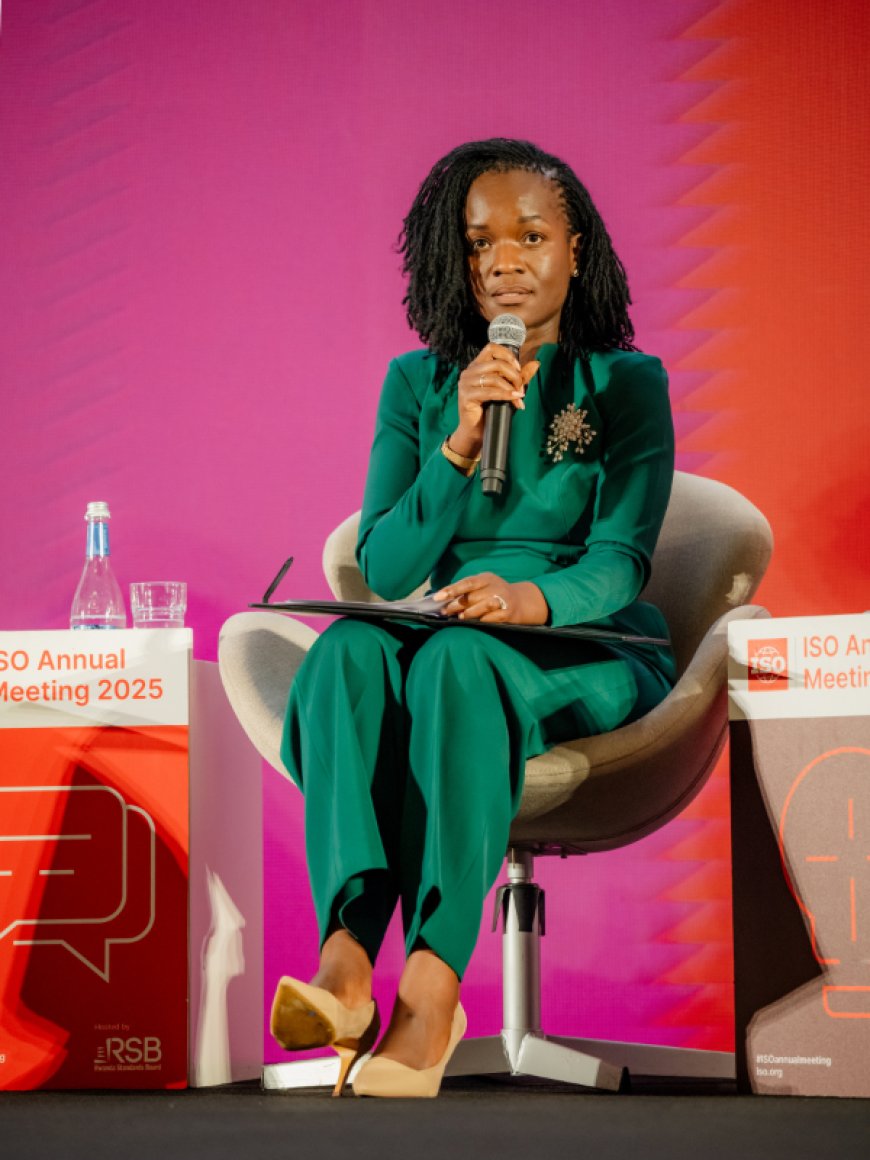
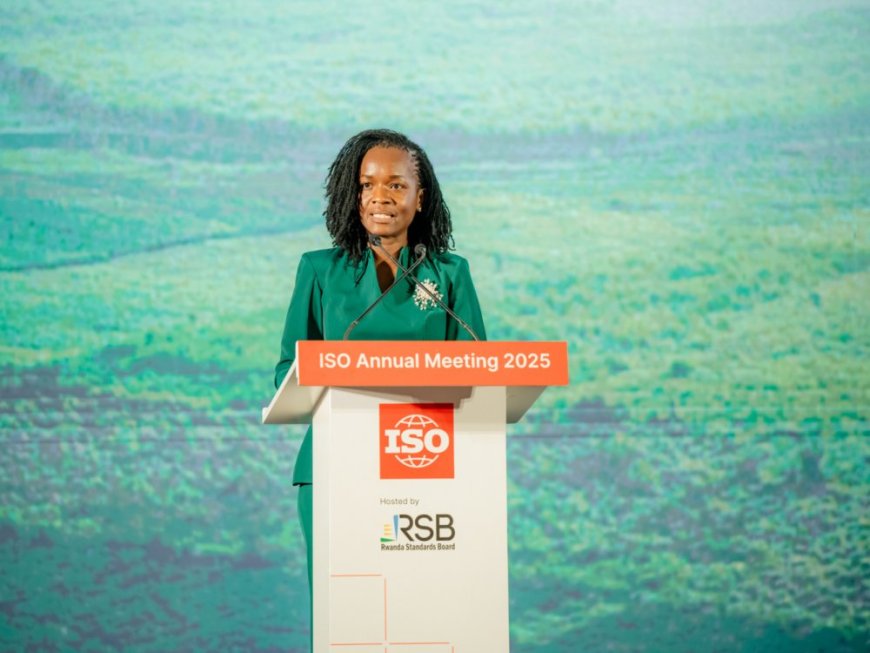
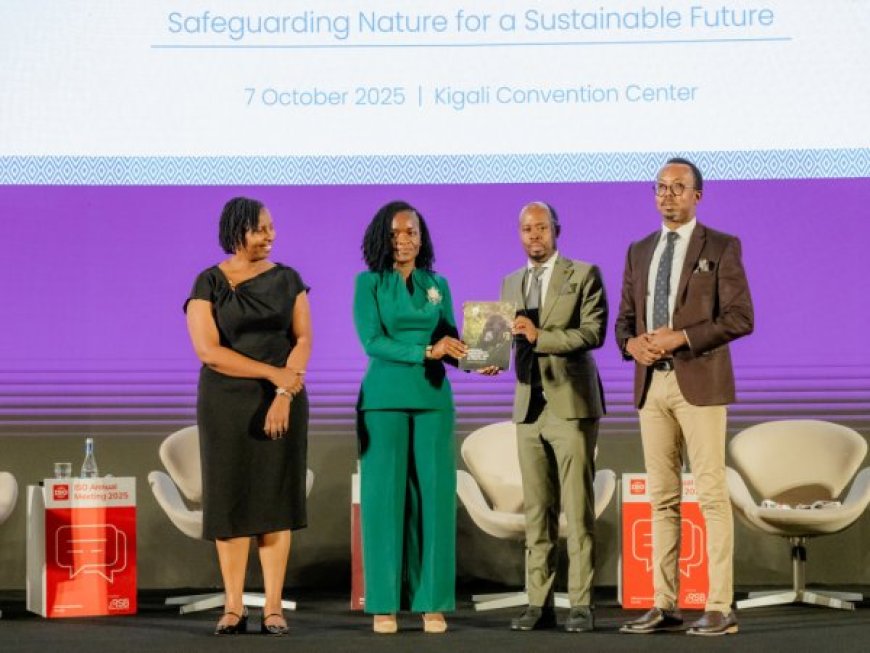
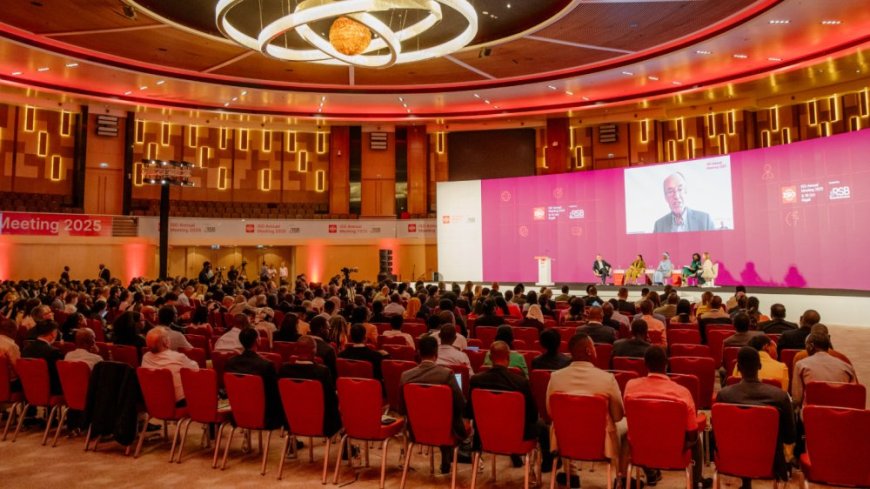
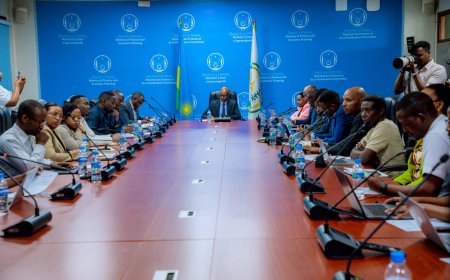
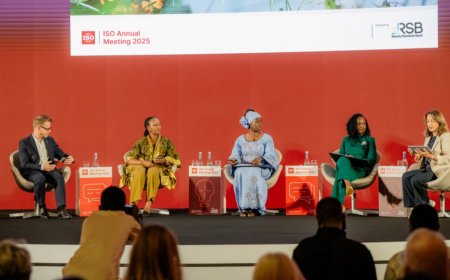
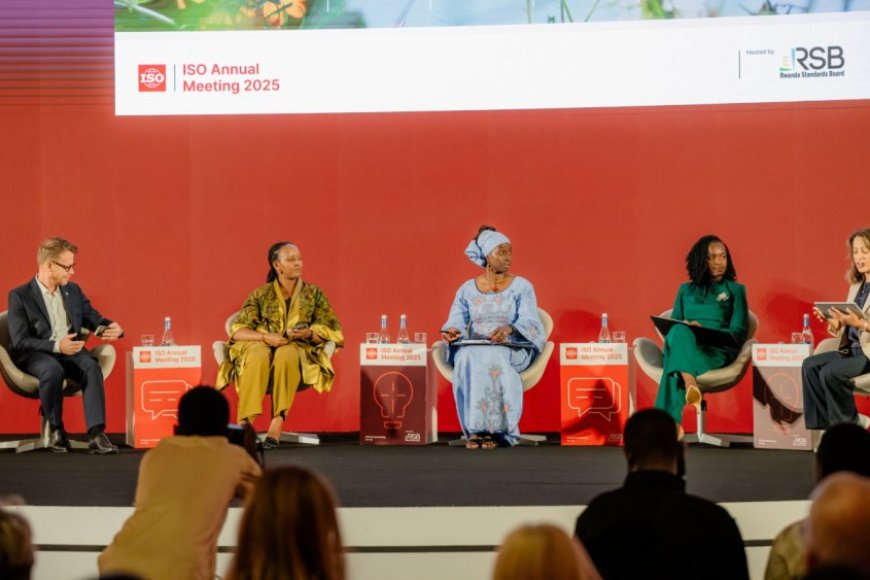
The policy was officially launched on October 7, 2025, during the International Organization for Standardization (ISO) Annual Assembly taking place in Kigali. It serves as part of Rwanda’s broader effort to protect natural ecosystems while advancing sustainable development.
According to the Minister of Environment, Dr. Bernadette Arakwiye, the initiative underscores the country’s commitment to safeguarding the biodiversity on which much of Rwanda’s economy and livelihoods depend.
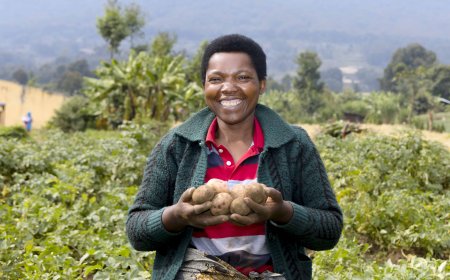
“More than 65% of Rwandans earn their living from agriculture, forestry, and tourism sectors closely tied to biodiversity,” Dr. Arakwiye said. “Protecting our natural wealth is, therefore, essential for our people’s wellbeing and for the nation’s long-term prosperity.”
She further warned that without global action, nearly 25% of all plant and animal species could face extinction in the coming years, leading to significant economic losses worldwide.
Juliet Kabera, Director General of the Rwanda Environment Management Authority (REMA), noted that the policy lays out clear measures to preserve biodiversity through practical projects such as reforestation, sustainable agriculture, eco-tourism, and responsible industrial growth.
“We want to make sure development goes hand in hand with nature conservation. The forests, clean air, and water we rely on are all products of a healthy ecosystem,” Kabera said.
The policy builds upon the National Climate and Nature Finance Strategy (NCSNFS) launched in October 2024, which projected that between Rwf 131 billion and Rwf 145 billion would be required to strengthen environmental investments.
Rwanda is among the countries committed to the global “30 by 30” target protecting 30% of land and oceans by 2030 with an even more ambitious vision to reach 50% protection by 2050.
The ISO Assembly also presented the first-ever international biodiversity management guidelines, offering decision-makers and communities a framework to integrate conservation principles into policies and daily practices.
Through this new policy, Rwanda aims to position biodiversity not just as an environmental concern but as a foundation for economic transformation and sustainable livelihoods.