 Kinyarwanda
 English
 Swahili






























Air Pollution in Rwanda: How Its Levels Are Measured and Monitored

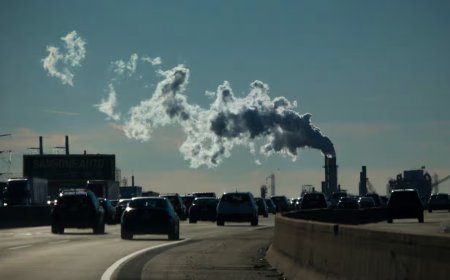
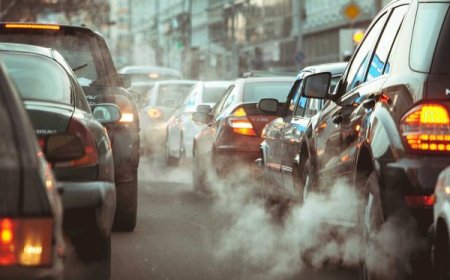
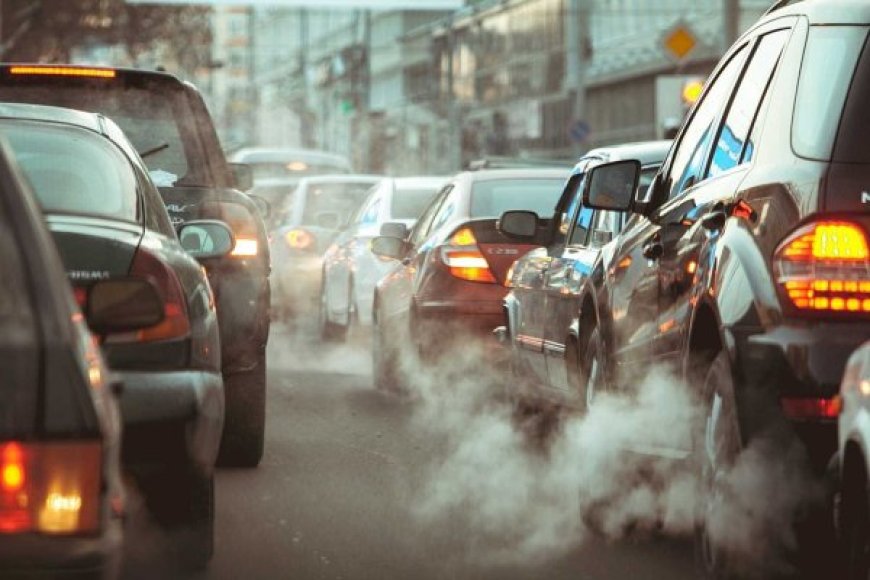
Over the past five years, air pollution has become an increasing concern in Rwanda, particularly in major cities and areas with heavy traffic and industrial activity.

The Rwanda Environment Management Authority (REMA) has been closely monitoring air pollution, using advanced measurement tools to track the concentration of particulate matter in the air and to mitigate its impact on public health.
Since 2018, REMA has implemented a nationwide monitoring program, with a focus on Kigali, where levels of particulate matter known as PM2.5 and PM10 frequently exceed the World Health Organization (WHO) recommended limits. This has led to the establishment of monitoring stations in various districts, with 16 stations currently operational in 13 districts and plans to add 26 more by the end of 2025.
In Kigali, PM2.5 levels currently reach 36.8 µg/m³, over 7 times higher than the WHO guideline. To tackle this issue, REMA launched a countrywide vehicle emissions testing program on August 25, 2025, aiming to reduce air pollution and protect public health.
Air quality measurements are carried out using modern technological devices, which can be mobile or installed in specific facilities. Citizens are encouraged to follow the guidelines and report any issues to ensure the program’s effectiveness.
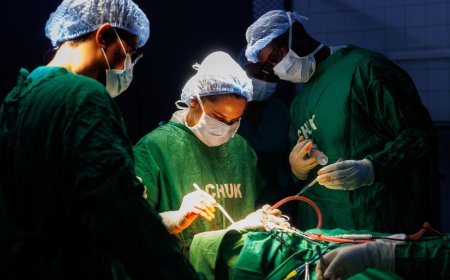
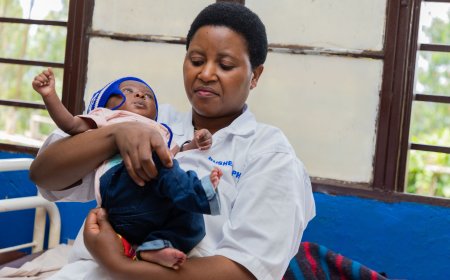
Air pollution has serious health impacts, including cardiovascular and respiratory diseases. Implementing air quality monitoring and emissions testing is a crucial step in preventing these health risks, protecting public health, and preserving Rwanda’s environment.
Over the past five years, Rwanda has made significant progress in tracking air pollution, but continued efforts are needed to fully address the problem.