 Kinyarwanda
 English
 Swahili





























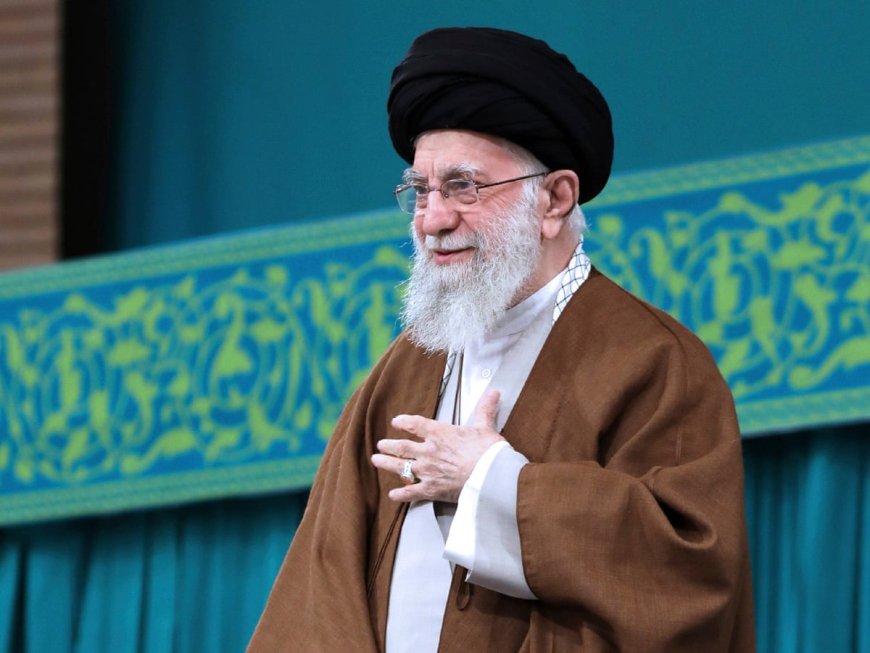
Shockwaves across the world as Ayatollah Ali Khamenei dies in strikes

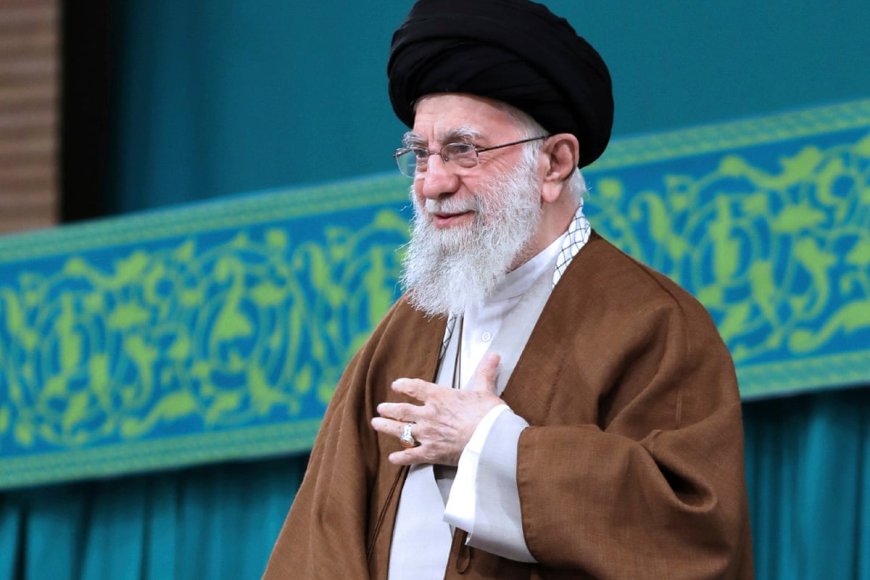
The death of Iran’s Supreme Leader Ayatollah Ali Khamenei has sent shockwaves across global politics, marking a dramatic turning point in Middle East tensions and raising fears of a wider regional conflict.

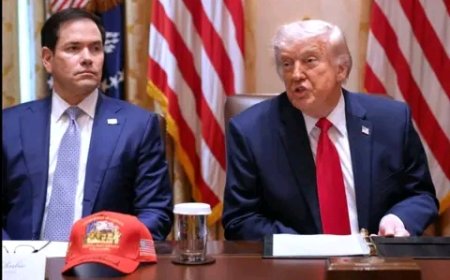
Iranian state media confirmed early Sunday that the longtime leader was killed during coordinated airstrikes targeting strategic sites in Tehran, reportedly carried out by Israel and the United States amid escalating hostilities linked to Iran’s military and nuclear activities.
Authorities in Iran declared 40 days of national mourning, describing him as a martyr who died while serving the nation. State television broadcast religious recitations, patriotic imagery, and emotional tributes, while senior officials pledged retaliation against those responsible.
Reports from journalists and eyewitnesses indicated mixed reactions among the public. While many citizens joined official mourning ceremonies, others were seen celebrating quietly in some neighborhoods, reflecting long-standing political divisions inside the country.
Iran’s powerful military institution, the Islamic Revolutionary Guard Corps, warned of “severe consequences,” signaling possible retaliation and heightening fears of escalation involving regional actors and allied militias. Military observers described the strike as one of the most consequential attacks on Iranian leadership since the 1979 revolution, both symbolically and strategically.
He had ruled since 1989, wielding ultimate authority over Iran’s armed forces, judiciary, and foreign policy, making him one of the most influential figures in modern Middle Eastern history.
His death leaves a critical leadership vacuum, and under Iran’s constitution, the Assembly of Experts must appoint a successor a decision analysts say will shape the country’s direction and regional posture for decades.
The killing of one of the world’s most powerful and polarizing leaders during direct military confrontation between major states is widely seen as a historic geopolitical rupture. Diplomats warn that what happens next could redefine alliances, energy markets, and global security far beyond the Middle East.