issa
Dr. Buchanan highlights value of Long-Term planning and China–Africa Cooperation in Beijing Seminar

Dr. Buchanan highlights value of Long-Term planning and China–Africa Cooperation in Beijing Seminar

Jun 12, 2026 - 09:06
 0

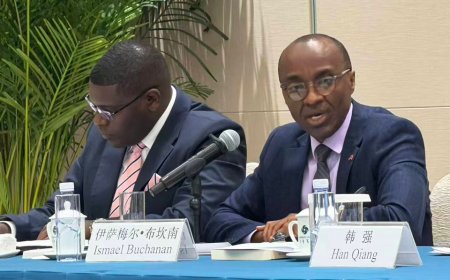
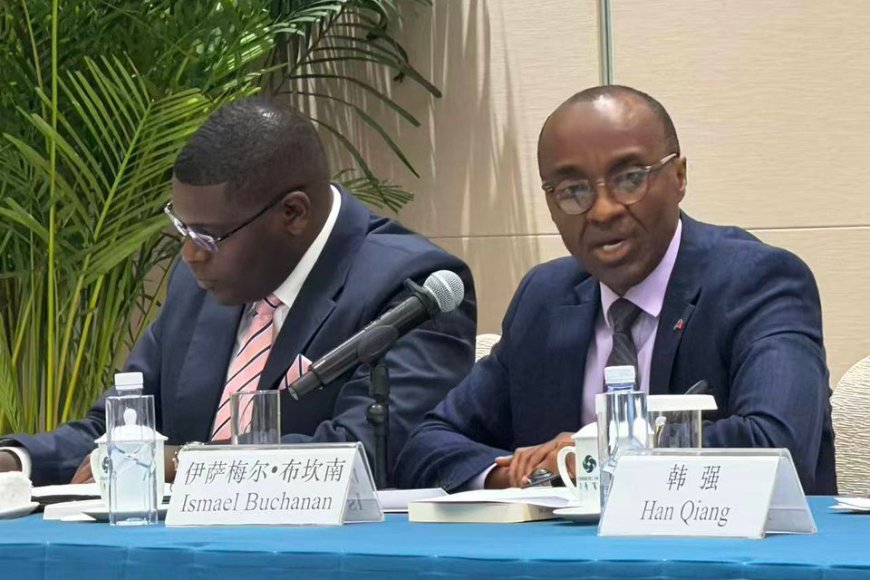
Dr. Ismael Buchanan, Founder and CEO of the Rwanda Institute of International Affairs (RIIA), has emphasized the importance of long-term strategic planning, international cooperation, and knowledge exchange as key drivers of sustainable development during an international seminar held in Beijing, China.


He made the remarks while participating in the Seminar on CPC in the International Community’s Eyes: Innovation of Theories and Practices of Chinese Modernization,” which brought together scholars, policymakers, researchers, and international participants to reflect on China’s modernization experience and its global relevance.

The seminar also provided participants with opportunities to visit various development projects across China, including initiatives in industry, technology, energy, agriculture, e-commerce, and sustainability.

Speaking during the seminar, Dr. Buchanan expressed gratitude to the organizers for their invitation and hospitality, noting that the experience offered deeper insight into China’s modernization vision.

He explained that the seminar aligned closely with the mission of RIIA, an independent non-profit think tank dedicated to producing high-level research to support policy-making and public debate at national and international levels.

According to him, RIIA works with ministries, embassies, NGOs, civil society organizations, and private institutions across Rwanda to promote dialogue, strengthen governance, and support leadership development through research and knowledge exchange.

Dr. Buchanan highlighted that the world is facing increasingly complex challenges such as technological transformation, climate change, food security, inequality, and sustainable development issues that no single country can address alone.

He stressed that international gatherings such as the Beijing seminar play an important role in building bridges between cultures, fostering trust, and promoting mutual understanding.

“Beyond our historical, cultural, and geographical differences, we share common aspirations: improving the quality of life of our citizens, creating opportunities for future generations, and building more prosperous and sustainable societies,” he noted.

Lessons from China’s Development Experience

Reflecting on the 10-day visit, Dr. Buchanan said participants had the opportunity to observe China’s development journey through field visits and discussions on modernization projects.

He pointed out that one of the most striking lessons from China’s experience is its ability to think and plan for the long term.

From an African perspective, he noted, China’s approach offers valuable lessons on maintaining a strategic vision that transcends political cycles, ensuring continuity in development policies and implementation.

“Many countries in Africa face challenges in sustaining long-term transformation due to changing political priorities. China’s experience demonstrates how consistent planning and sustained implementation can generate significant progress,” he said.

Dr. Buchanan also underscored the importance of ensuring that economic growth translates into tangible improvements in people’s lives.

He highlighted that development becomes more meaningful when it focuses on education, innovation, human capital development, poverty reduction, and reducing inequalities.

According to him, sustainability should remain at the center of global development efforts to ensure better opportunities and improved living standards for future generations.

The Role of RIIA in Global Dialogue

Reaffirming the mission of RIIA, Dr. Buchanan emphasized the importance of fostering dialogue among cultures as a tool for strengthening governance and promoting sustainable development.

He said the institute believes that preparing future leaders requires openness to different perspectives, global engagement, and learning from diverse development models.

He further noted that international cooperation should go beyond information exchange to include trust-building, human connection, and long-term partnerships.

Dr. Buchanan concluded by expressing hope that the seminar would further strengthen friendship and cooperation between China and Africa, particularly Rwanda.

He said such platforms are essential for deepening mutual understanding and ensuring that shared ideas and experiences translate into lasting partnerships and practical development outcomes.

“Bridges between cultures do more than connect countries. They generate new ideas, new opportunities, and new ways of working together to address the challenges of our time,” he concluded.

Dr. Buchanan highlights value of Long-Term planning and China–Africa Cooperation in Beijing Seminar

Jun 12, 2026 - 09:06
Jun 12, 2026 - 13:16
 0
Dr. Buchanan highlights value of Long-Term planning and China–Africa Cooperation in Beijing Seminar

Dr. Ismael Buchanan, Founder and CEO of the Rwanda Institute of International Affairs (RIIA), has emphasized the importance of long-term strategic planning, international cooperation, and knowledge exchange as key drivers of sustainable development during an international seminar held in Beijing, China.


He made the remarks while participating in the Seminar on CPC in the International Community’s Eyes: Innovation of Theories and Practices of Chinese Modernization,” which brought together scholars, policymakers, researchers, and international participants to reflect on China’s modernization experience and its global relevance.

The seminar also provided participants with opportunities to visit various development projects across China, including initiatives in industry, technology, energy, agriculture, e-commerce, and sustainability.

Speaking during the seminar, Dr. Buchanan expressed gratitude to the organizers for their invitation and hospitality, noting that the experience offered deeper insight into China’s modernization vision.

He explained that the seminar aligned closely with the mission of RIIA, an independent non-profit think tank dedicated to producing high-level research to support policy-making and public debate at national and international levels.

According to him, RIIA works with ministries, embassies, NGOs, civil society organizations, and private institutions across Rwanda to promote dialogue, strengthen governance, and support leadership development through research and knowledge exchange.

Dr. Buchanan highlighted that the world is facing increasingly complex challenges such as technological transformation, climate change, food security, inequality, and sustainable development issues that no single country can address alone.

He stressed that international gatherings such as the Beijing seminar play an important role in building bridges between cultures, fostering trust, and promoting mutual understanding.

“Beyond our historical, cultural, and geographical differences, we share common aspirations: improving the quality of life of our citizens, creating opportunities for future generations, and building more prosperous and sustainable societies,” he noted.

Lessons from China’s Development Experience

Reflecting on the 10-day visit, Dr. Buchanan said participants had the opportunity to observe China’s development journey through field visits and discussions on modernization projects.

He pointed out that one of the most striking lessons from China’s experience is its ability to think and plan for the long term.

From an African perspective, he noted, China’s approach offers valuable lessons on maintaining a strategic vision that transcends political cycles, ensuring continuity in development policies and implementation.

“Many countries in Africa face challenges in sustaining long-term transformation due to changing political priorities. China’s experience demonstrates how consistent planning and sustained implementation can generate significant progress,” he said.

Dr. Buchanan also underscored the importance of ensuring that economic growth translates into tangible improvements in people’s lives.

He highlighted that development becomes more meaningful when it focuses on education, innovation, human capital development, poverty reduction, and reducing inequalities.

According to him, sustainability should remain at the center of global development efforts to ensure better opportunities and improved living standards for future generations.

The Role of RIIA in Global Dialogue

Reaffirming the mission of RIIA, Dr. Buchanan emphasized the importance of fostering dialogue among cultures as a tool for strengthening governance and promoting sustainable development.

He said the institute believes that preparing future leaders requires openness to different perspectives, global engagement, and learning from diverse development models.

He further noted that international cooperation should go beyond information exchange to include trust-building, human connection, and long-term partnerships.

Dr. Buchanan concluded by expressing hope that the seminar would further strengthen friendship and cooperation between China and Africa, particularly Rwanda.

He said such platforms are essential for deepening mutual understanding and ensuring that shared ideas and experiences translate into lasting partnerships and practical development outcomes.

“Bridges between cultures do more than connect countries. They generate new ideas, new opportunities, and new ways of working together to address the challenges of our time,” he concluded.