issa
Parliament asks for 2015 National Youth Policy to be revised with new measures for jobless youth

Parliament asks for 2015 National Youth Policy to be revised with new measures for jobless youth

Jul 11, 2025 - 08:00
 0

The Plenary Sitting of the Chamber of Deputies has called on the Ministry of Youth and Arts Development to revise Rwanda’s National Youth Policy, which was adopted in September 2015, and to include targeted measures to support the segment of young people who are not employed, not in school, and not in training commonly known as NEET Youth.


This resolution follows the approval of a report presented on Thursday, July 10, 2025, by MP Emma Furaha Rubagumya, Chairperson of the Parliamentary Committee on Education, Technology, Culture, Sports and Youth, which assessed how the 2015 National Youth Policy has been implemented over the past ten years.

The report revealed that between 2017 and 2024, Rwanda created about 1,732,770 new jobs, with 85% of these equivalent to 1,466,233 jobs generated by young people.

Despite this progress, the report highlighted that youth unemployment remains significant, with 18.5% of youth still jobless. Critically, about 28.4% of young people are neither working, studying, nor attending any skills training programs a group seen as most vulnerable to issues like crime, substance abuse and idleness.

MP Anastase Nabahire expressed concern that “if the current rate of 48.6% of youth relying on subsistence farming is not addressed, it may fuel further social challenges, including increased delinquency and family burdens.”

The report showed that agriculture remains the main source of youth employment, accounting for 45.8% of the jobs created. Professional farming has increased, with youth engaged in it rising from 37% in 2017 to 51.4% in 2024, while subsistence farming dropped from 63% to 48.6% over the same period.

The committee also noted that most small businesses are micro enterprises (92%) that employ between one and three people, meaning they have limited capacity to absorb the large youth workforce. To address this, Parliament urged the government to design special measures to grow these businesses and create more sustainable jobs for young people.

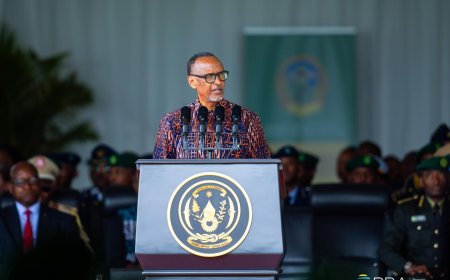
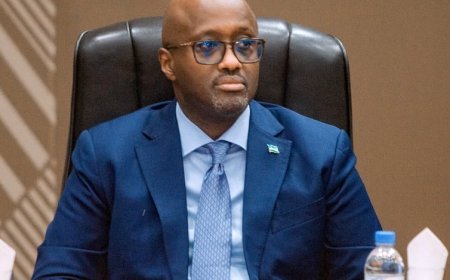
MP Emma Furaha Rubagumya, Chairperson of the Parliamentary Committee on Education, Technology, Culture, Sports and Youth

According to the findings, 50.6% of youth are employed, 25.9% are still in school, while 28.4% are NEET youth. Even with the job creation progress, the fact that a significant share of the jobs is not sustainable remains a concern. Lawmakers stressed that the next phase under Rwanda’s second National Strategy for Transformation (NST2) should focus on creating more stable jobs.

During the session, some MPs raised the issue of mental health and substance abuse, questioning whether the policy review will take into account the increasing cases of depression, drug abuse and youth suicide.

MP Marie Therese Uwubutatu asked: “We keep seeing more youth struggling with mental health problems — does the policy review consider practical interventions to support them?”

The role of YEGO Centers was also debated. Rwanda has 32 YEGO Centers designed to support youth with training and services, but only 19 of them provide full services consistently. The report noted that these centers currently do not offer enough practical agriculture training to help youth engage in modern farming.

In the creative arts sector, Parliament highlighted challenges such as the lack of a legal status for the Rwanda Arts Council and the high cost of entertainment infrastructure, which hinders young artists from promoting and growing their work. The Chamber recommended that these issues be resolved within 12 months.

Currently, youth aged 16–30 make up about 3.6 million people, or 27.1% of Rwanda’s total population of 13.2 million. Most youth live in rural areas (67.6%) while 32.4% are in urban areas. The report also noted that 5,110 young people have registered on the Ingazi digital platform to access job opportunities and training connections, yet about 31.4% of youth did not complete primary education another barrier to employment.

Parliament stressed that youth employment must remain a shared responsibility across all institutions and sectors. MPs called for urgent, concrete measures to ensure that more young people can access decent, sustainable jobs whether in agriculture, small businesses, the creative arts or new infrastructure projects. Lawmakers reiterated that the revised policy must address gaps in mental health support, technical skills, and youth centres, so that no young person is left behind in Rwanda’s development journey.

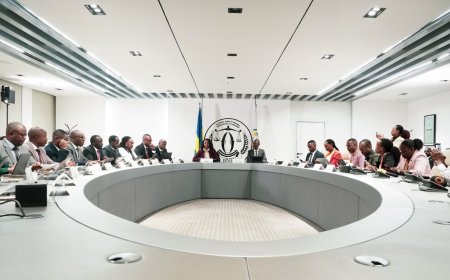
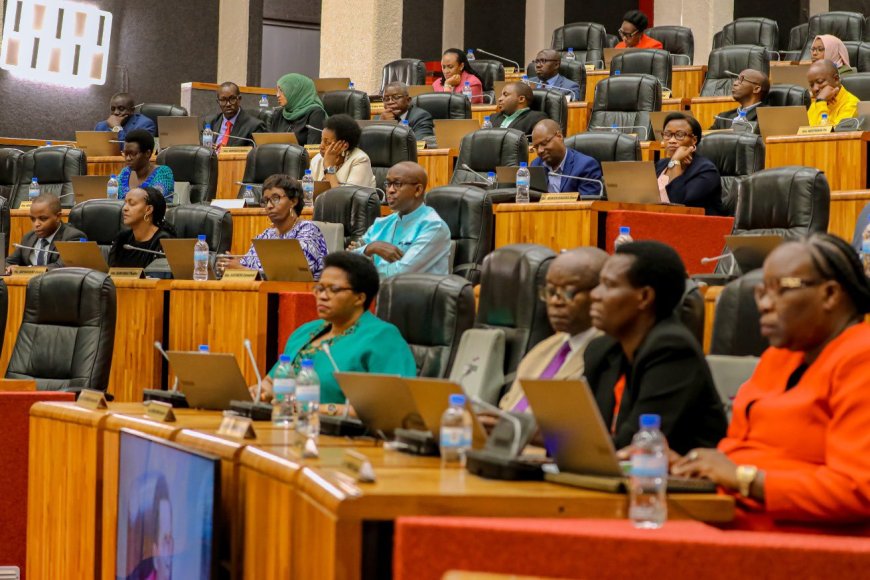
Members of Parliament 

Parliament asks for 2015 National Youth Policy to be revised with new measures for jobless youth

Jul 11, 2025 - 08:00
 0
Parliament asks for 2015 National Youth Policy to be revised with new measures for jobless youth

The Plenary Sitting of the Chamber of Deputies has called on the Ministry of Youth and Arts Development to revise Rwanda’s National Youth Policy, which was adopted in September 2015, and to include targeted measures to support the segment of young people who are not employed, not in school, and not in training commonly known as NEET Youth.


This resolution follows the approval of a report presented on Thursday, July 10, 2025, by MP Emma Furaha Rubagumya, Chairperson of the Parliamentary Committee on Education, Technology, Culture, Sports and Youth, which assessed how the 2015 National Youth Policy has been implemented over the past ten years.

The report revealed that between 2017 and 2024, Rwanda created about 1,732,770 new jobs, with 85% of these equivalent to 1,466,233 jobs generated by young people.

Despite this progress, the report highlighted that youth unemployment remains significant, with 18.5% of youth still jobless. Critically, about 28.4% of young people are neither working, studying, nor attending any skills training programs a group seen as most vulnerable to issues like crime, substance abuse and idleness.

MP Anastase Nabahire expressed concern that “if the current rate of 48.6% of youth relying on subsistence farming is not addressed, it may fuel further social challenges, including increased delinquency and family burdens.”

The report showed that agriculture remains the main source of youth employment, accounting for 45.8% of the jobs created. Professional farming has increased, with youth engaged in it rising from 37% in 2017 to 51.4% in 2024, while subsistence farming dropped from 63% to 48.6% over the same period.

The committee also noted that most small businesses are micro enterprises (92%) that employ between one and three people, meaning they have limited capacity to absorb the large youth workforce. To address this, Parliament urged the government to design special measures to grow these businesses and create more sustainable jobs for young people.
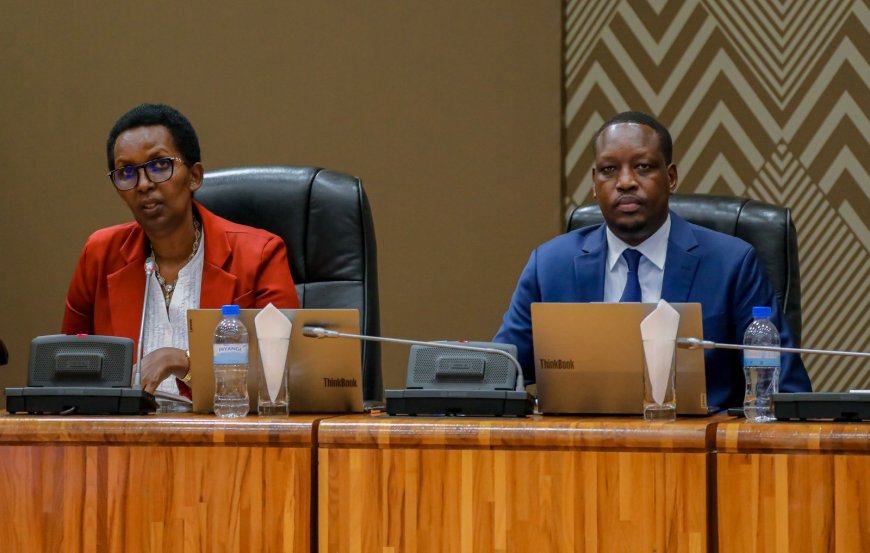
MP Emma Furaha Rubagumya, Chairperson of the Parliamentary Committee on Education, Technology, Culture, Sports and Youth

According to the findings, 50.6% of youth are employed, 25.9% are still in school, while 28.4% are NEET youth. Even with the job creation progress, the fact that a significant share of the jobs is not sustainable remains a concern. Lawmakers stressed that the next phase under Rwanda’s second National Strategy for Transformation (NST2) should focus on creating more stable jobs.

During the session, some MPs raised the issue of mental health and substance abuse, questioning whether the policy review will take into account the increasing cases of depression, drug abuse and youth suicide.

MP Marie Therese Uwubutatu asked: “We keep seeing more youth struggling with mental health problems — does the policy review consider practical interventions to support them?”

The role of YEGO Centers was also debated. Rwanda has 32 YEGO Centers designed to support youth with training and services, but only 19 of them provide full services consistently. The report noted that these centers currently do not offer enough practical agriculture training to help youth engage in modern farming.

In the creative arts sector, Parliament highlighted challenges such as the lack of a legal status for the Rwanda Arts Council and the high cost of entertainment infrastructure, which hinders young artists from promoting and growing their work. The Chamber recommended that these issues be resolved within 12 months.

Currently, youth aged 16–30 make up about 3.6 million people, or 27.1% of Rwanda’s total population of 13.2 million. Most youth live in rural areas (67.6%) while 32.4% are in urban areas. The report also noted that 5,110 young people have registered on the Ingazi digital platform to access job opportunities and training connections, yet about 31.4% of youth did not complete primary education another barrier to employment.

Parliament stressed that youth employment must remain a shared responsibility across all institutions and sectors. MPs called for urgent, concrete measures to ensure that more young people can access decent, sustainable jobs whether in agriculture, small businesses, the creative arts or new infrastructure projects. Lawmakers reiterated that the revised policy must address gaps in mental health support, technical skills, and youth centres, so that no young person is left behind in Rwanda’s development journey.
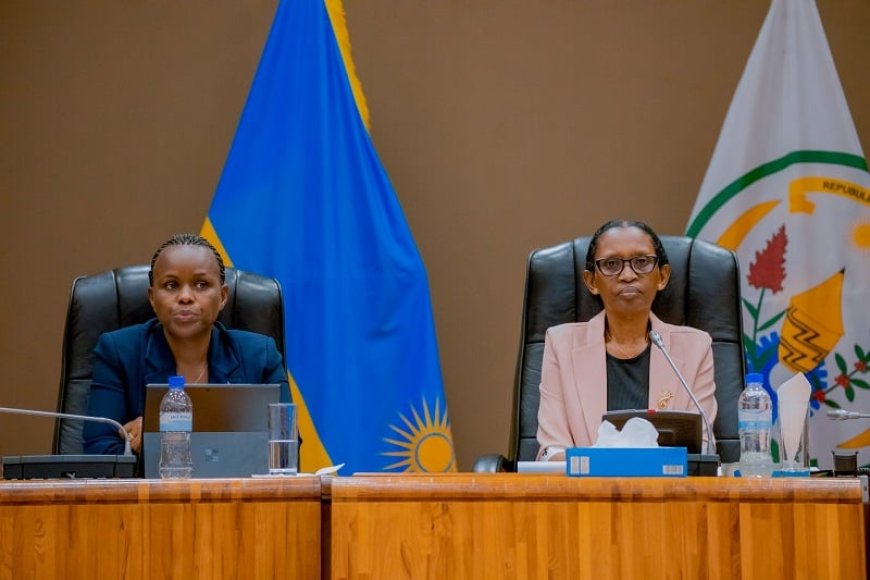
Members of Parliament