issa
DRC: Security in the Hills of Mulenge is on the Edge » CEO-OFFICER Jean de Dieu Warns of Escalating Crisis in South Kivu

DRC: Security in the Hills of Mulenge is on the Edge » CEO-OFFICER Jean de Dieu Warns of Escalating Crisis in South Kivu

Oct 9, 2025 - 12:49
 0

Insecurity in the hills of Mulenge, South Kivu, DRC, has reached a critical level as armed groups tighten their grip on the region. In an exclusive interview with UkweliTimes, CEO-Officer Jean de Dieu Ambassador of Peace for Banyamulenge in Australia warns that civilians are living in fear, hiding in the bush, and facing a silent humanitarian crisis. He calls on the AU, UN, and the international community to intervene urgently to protect Banyamulenge civilians and restore peace.


The high hills of   Mulenge, in   South Kivu, Democratic Republic of Congo (DRC), once known for their green landscapes and peaceful cattle herding, have now become a symbol of fear, displacement, and armed conflict. For the   Banyamulenge   community, these hills are not just a place of origin they are home, identity, and history. Today, they are also the frontline of a dangerous and escalating security crisis.

In an exclusive interview with UkweliTimes, CEO-Officer Jean de Dieu, Ambassador of Peace for Banyamulenge in Australia, paints a vivid and alarming picture of how insecurity has taken root in Mulenge’s mountainous terrain.

Militias Tighten Grip on Mulenge 

For months, multiple armed groups particularly   Wazalendo militias, Mai-Mai factions, and some rogue elements within   FARDC   (the Congolese army) have been staging coordinated attacks on Mulenge’s hills. Entire villages have been burned, livestock looted, and families forced to flee into forests and valleys for safety.

 “The security situation in the hills of Mulenge is on the edge,” says   CEO-Officer Jean de Dieu. “Armed groups control most of the surrounding areas. They target Banyamulenge villages deliberately, burning homes and chasing people from their land. Civilians live in constant fear.”

Humanitarian organizations have limited access to these highland zones because the roads are dangerous, and the presence of armed groups makes aid delivery extremely difficult. As a result, communities are trapped between violence and isolation.

People Are Sleeping in the Bushes

Local sources in Minembwe and Bibogobogo confirm that residents flee their homes at night to sleep in the bush or hide in nearby mountains. Many carry only blankets or jerrycans of water.

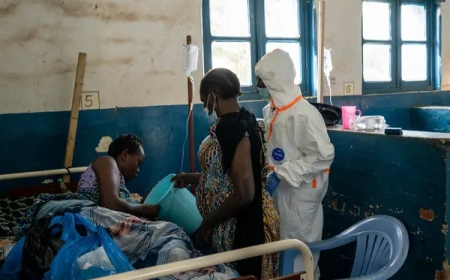
“People are sleeping in the bushes with their children. They have no shelter, no food, and no medical care,”   Jean de Dieu   explains. “This is not just a conflict; it’s a humanitarian disaster in slow motion.”

Mulenge’s health centers are either closed or operating under severe shortages. Education has nearly collapsed, with many schools occupied by militias or abandoned entirely.

Twirwaneho and the Call for Community Defense 

Amid the insecurity, local defense initiatives like   Twirwaneho   have emerged as community-based groups attempting to protect civilians from raids. However, they remain outgunned and under-supported compared to larger armed groups.

 “Twirwaneho is not an army,” Jean de Dieu emphasizes. “It’s a community trying to survive. Our youth have chosen to defend their homes and families because no one else will. But this is not sustainable without peace and international support.”

He urges Banyamulenge youth, especially those in the diaspora, to return and contribute to rebuilding and protecting Mulenge.

 “This is our land. We cannot abandon it. I call on young people to join hands not for war, but for the defense and reconstruction of Mulenge.”

A Plea to the International Community 

Jean de Dieu issued a strong appeal to the   African Union,   United Nations, and international partners to act urgently:

“The world cannot afford to remain silent. The hills of Mulenge are bleeding. Every day, lives are lost, families are displaced, and our heritage is being erased. We need international investigation, protection of civilians, and real humanitarian assistance not just statements.”

According to recent UN figures, more than   7 million Congolese   have been displaced nationwide, with   South Kivu   among the hardest hit regions. Insecurity in remote highland areas like Mulenge remains underreported, leaving thousands without protection.

Mulenge’s Future hangs in the Balance 

The hills of Mulenge now reflect a battle between survival and disappearance. The Banyamulenge community faces a critical moment: reclaim their homeland through resilience and unity, or continue to be pushed into silence by violence.

 “Mulenge is not just a place,” CEO-Officer Jean de Dieu concludes. “It is our history, our dignity, and our future. If the world continues to ignore what’s happening here, we risk losing an entire people.”

As the world’s attention shifts to other crises, the plight of Mulenge remains largely invisible. Yet for those who call its hills home, every night is a fight to stay alive and every day, a silent call for justice and peace.

CEO-Officer Jean de Dieu, Ambassador of Peace for Banyamulenge in Australia


Layla kamanzi Layla Kamanzi is a passionate journalist and creative writer with a keen eye for impactful storytelling. As a Journalism and Mass Communication student at Mount Kenya University, she is dedicated to using words as a tool to inform, inspire, and amplify the voices of everyday people. Driven by curiosity and a love for truth, Layla explores stories that shape communities and spark meaningful conversations. She enjoys blending facts with compelling narratives to create content that educates, empowers, and connects audiences across East Africa and beyond.

DRC: Security in the Hills of Mulenge is on the Edge » CEO-OFFICER Jean de Dieu Warns of Escalating Crisis in South Kivu

Oct 9, 2025 - 12:49
Oct 9, 2025 - 13:49
 0
DRC: Security in the Hills of Mulenge is on the Edge » CEO-OFFICER Jean de Dieu Warns of Escalating Crisis in South Kivu

Insecurity in the hills of Mulenge, South Kivu, DRC, has reached a critical level as armed groups tighten their grip on the region. In an exclusive interview with UkweliTimes, CEO-Officer Jean de Dieu Ambassador of Peace for Banyamulenge in Australia warns that civilians are living in fear, hiding in the bush, and facing a silent humanitarian crisis. He calls on the AU, UN, and the international community to intervene urgently to protect Banyamulenge civilians and restore peace.


The high hills of   Mulenge, in   South Kivu, Democratic Republic of Congo (DRC), once known for their green landscapes and peaceful cattle herding, have now become a symbol of fear, displacement, and armed conflict. For the   Banyamulenge   community, these hills are not just a place of origin they are home, identity, and history. Today, they are also the frontline of a dangerous and escalating security crisis.

In an exclusive interview with UkweliTimes, CEO-Officer Jean de Dieu, Ambassador of Peace for Banyamulenge in Australia, paints a vivid and alarming picture of how insecurity has taken root in Mulenge’s mountainous terrain.

Militias Tighten Grip on Mulenge 

For months, multiple armed groups particularly   Wazalendo militias, Mai-Mai factions, and some rogue elements within   FARDC   (the Congolese army) have been staging coordinated attacks on Mulenge’s hills. Entire villages have been burned, livestock looted, and families forced to flee into forests and valleys for safety.

 “The security situation in the hills of Mulenge is on the edge,” says   CEO-Officer Jean de Dieu. “Armed groups control most of the surrounding areas. They target Banyamulenge villages deliberately, burning homes and chasing people from their land. Civilians live in constant fear.”

Humanitarian organizations have limited access to these highland zones because the roads are dangerous, and the presence of armed groups makes aid delivery extremely difficult. As a result, communities are trapped between violence and isolation.

People Are Sleeping in the Bushes

Local sources in Minembwe and Bibogobogo confirm that residents flee their homes at night to sleep in the bush or hide in nearby mountains. Many carry only blankets or jerrycans of water.

“People are sleeping in the bushes with their children. They have no shelter, no food, and no medical care,”   Jean de Dieu   explains. “This is not just a conflict; it’s a humanitarian disaster in slow motion.”

Mulenge’s health centers are either closed or operating under severe shortages. Education has nearly collapsed, with many schools occupied by militias or abandoned entirely.

Twirwaneho and the Call for Community Defense 

Amid the insecurity, local defense initiatives like   Twirwaneho   have emerged as community-based groups attempting to protect civilians from raids. However, they remain outgunned and under-supported compared to larger armed groups.

 “Twirwaneho is not an army,” Jean de Dieu emphasizes. “It’s a community trying to survive. Our youth have chosen to defend their homes and families because no one else will. But this is not sustainable without peace and international support.”

He urges Banyamulenge youth, especially those in the diaspora, to return and contribute to rebuilding and protecting Mulenge.

 “This is our land. We cannot abandon it. I call on young people to join hands not for war, but for the defense and reconstruction of Mulenge.”

A Plea to the International Community 

Jean de Dieu issued a strong appeal to the   African Union,   United Nations, and international partners to act urgently:

“The world cannot afford to remain silent. The hills of Mulenge are bleeding. Every day, lives are lost, families are displaced, and our heritage is being erased. We need international investigation, protection of civilians, and real humanitarian assistance not just statements.”

According to recent UN figures, more than   7 million Congolese   have been displaced nationwide, with   South Kivu   among the hardest hit regions. Insecurity in remote highland areas like Mulenge remains underreported, leaving thousands without protection.

Mulenge’s Future hangs in the Balance 

The hills of Mulenge now reflect a battle between survival and disappearance. The Banyamulenge community faces a critical moment: reclaim their homeland through resilience and unity, or continue to be pushed into silence by violence.

 “Mulenge is not just a place,” CEO-Officer Jean de Dieu concludes. “It is our history, our dignity, and our future. If the world continues to ignore what’s happening here, we risk losing an entire people.”

As the world’s attention shifts to other crises, the plight of Mulenge remains largely invisible. Yet for those who call its hills home, every night is a fight to stay alive and every day, a silent call for justice and peace.
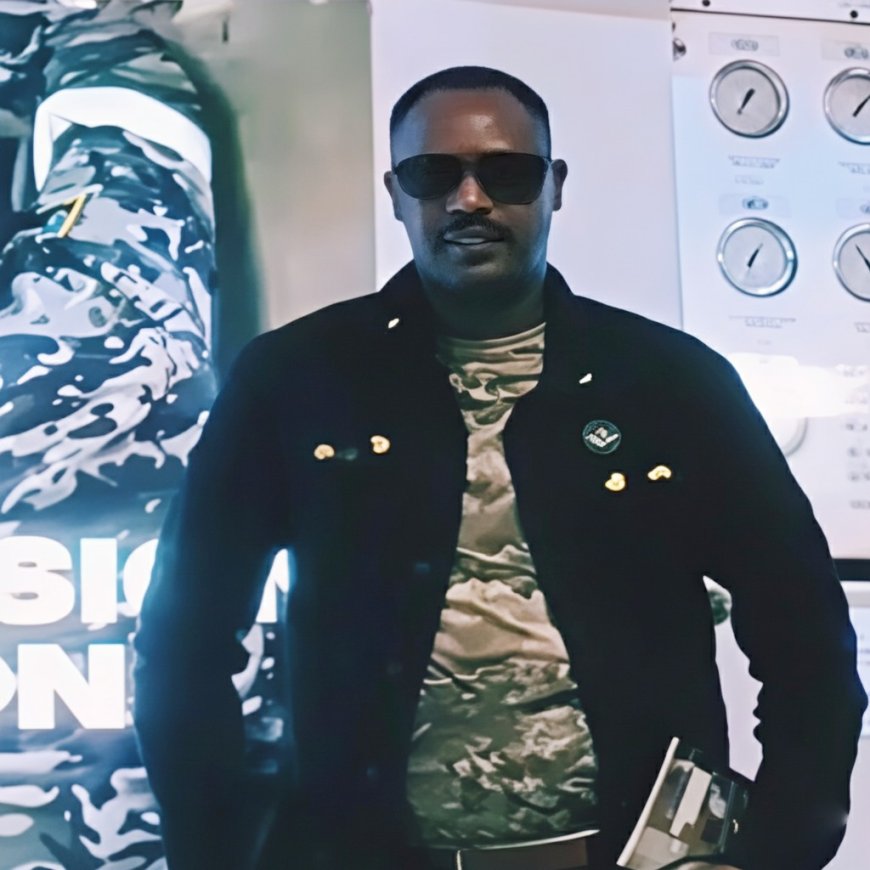
CEO-Officer Jean de Dieu, Ambassador of Peace for Banyamulenge in Australia