 Kinyarwanda
 English
 Swahili















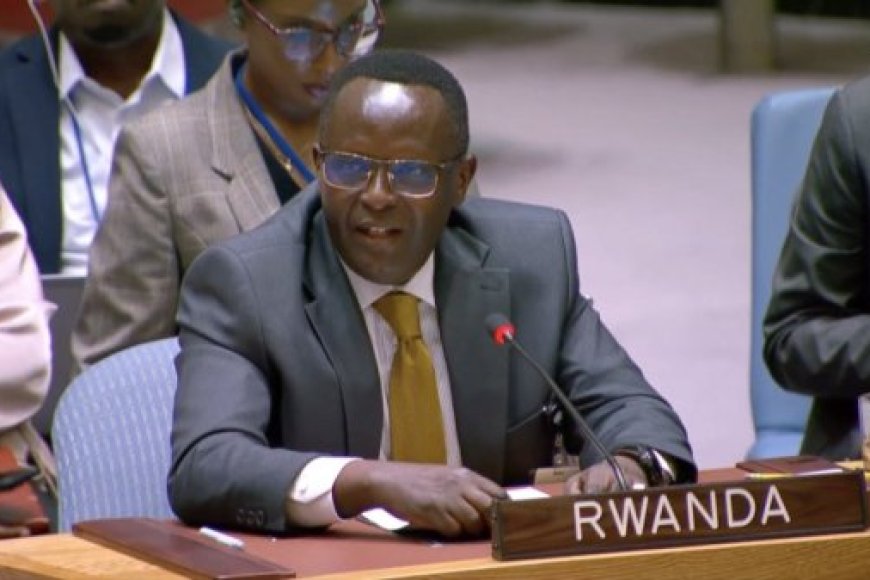
Amb. Ngoga Warns That Genocide Denial Can Lead to Future Mass Violence

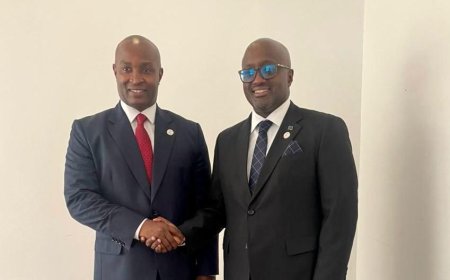
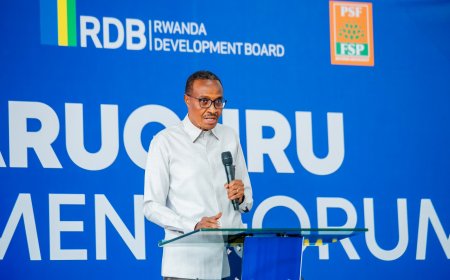
The Permanent Representative of Rwanda to the United Nations, Ambassador Martin Ngoga, has urged the international community to take stronger action against the worrying rise of genocide denial and hate-driven narratives, warning that such trends pave the way for future genocides.

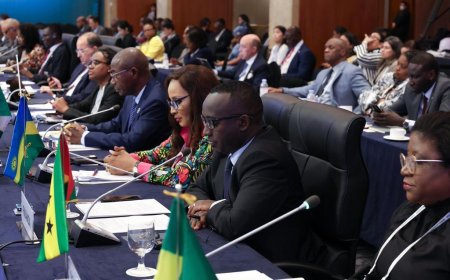
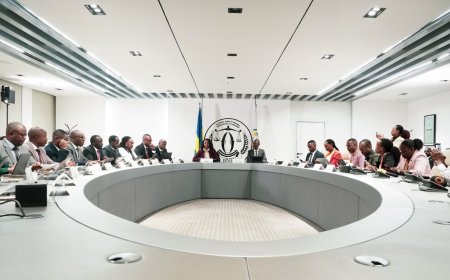
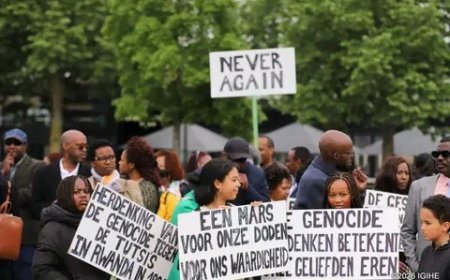
He made the remarks during the 10th anniversary of the International Day of Commemoration and Dignity of the Victims of the Crimes of Genocide, an occasion that emphasizes remembering past atrocities while preventing their recurrence.
For Rwanda, this day carries special significance, coming 31 years after the Genocide against the Tutsi. Amb. Ngoga noted that the international community failed to intervene not because it lacked information, but because it chose inaction.
“The world did not fail because it lacked information; it failed because it did nothing,” he said, stressing that remembrance alone is not enough it must be paired with preventive action.
Highlighting Rwanda’s post-genocide recovery, he pointed to the country’s deliberate focus on truth, justice, unity, and local initiatives such as Ndi Umunyarwanda, which collectively sought to undo the effects of divisive politics.
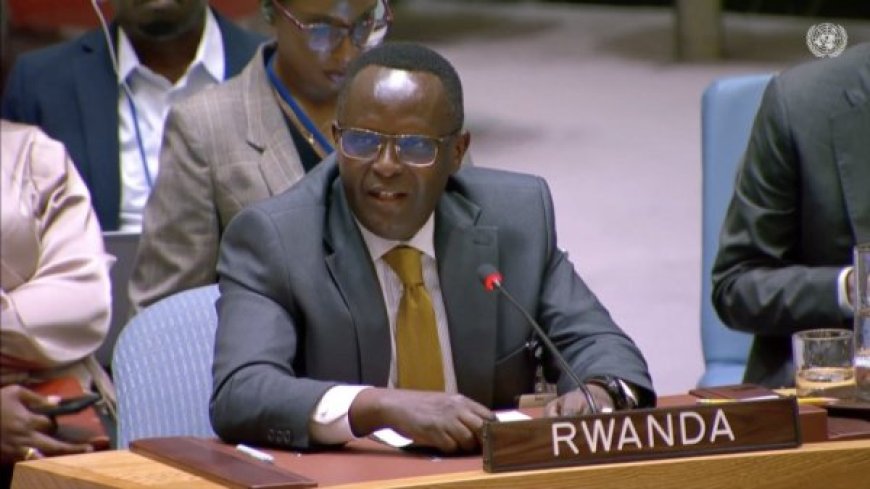
Amb. Ngoga warned that patterns similar to those preceding the genocide including dehumanizing language, ethnic targeting, and discriminatory rhetoric are emerging in different parts of the world, often spread through modern technology.
“Genocide denial is not harmless; it is a crime. It emboldens perpetrators, retraumatizes survivors, and destabilizes communities,” he said.
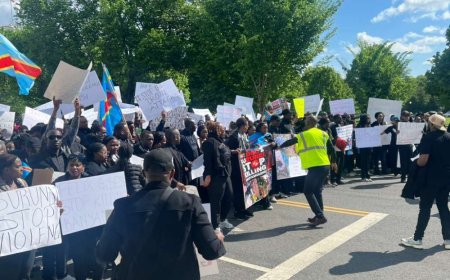
He cited the eastern Democratic Republic of Congo, where hate speech and attacks against Banyamulenge communities, including killings and other abuses, continue while the international response remains weak.
The ambassador urged the use of verified information and consistent action to counter denial and distortion of genocide history. He called on UN member states to intervene early, even when political complications arise.
Amb. Ngoga also praised the work of the International Criminal Tribunal for Rwanda (ICTR) and its successor mechanism (IRMCT), but stressed that justice must not depend on political convenience. He noted the United Kingdom’s ongoing inaction in prosecuting or extraditing five genocide suspects residing there and highlighted over 1,100 other suspects in various countries who remain unprosecuted.
“Justice should be timely, survivor-centered, and applied equally to all,” he emphasized.
Concluding his remarks, Amb. Ngoga urged the UN to devote as much effort to preventing genocide as it does to managing ongoing conflicts.
“Failure to prevent genocide is not due to impossibility but to political choice. ‘Never Again’ must guide action, not remain a slogan,” he said.