
issa
Washington Peace Deal Under Threat as Militias and Regional Alliances Fuel Instability in Eastern Congo

Washington Peace Deal Under Threat as Militias and Regional Alliances Fuel Instability in Eastern Congo

Dec 8, 2025 - 21:55
 0

The Washington peace deal faces major obstacles as FDLR fighters, foreign mercenaries within FARDC, and Burundi’s controversial military involvement fuel ongoing instability in eastern Congo. Added to this are internal political divisions and polarizing rhetoric, which weaken national cohesion and threaten hopes for lasting peace in the Great Lakes region.


The peace agreement signed in Washington, which has understandably generated a wave of hope and optimism, now faces a far harsher reality on the ground in eastern Democratic Republic of Congo  a region still gripped by instability, foreign militias, and entrenched political fractures.

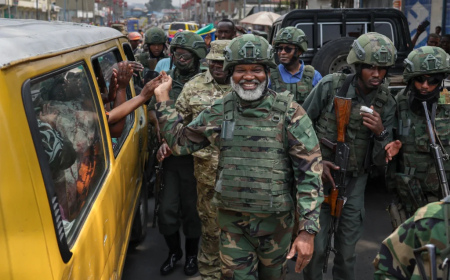
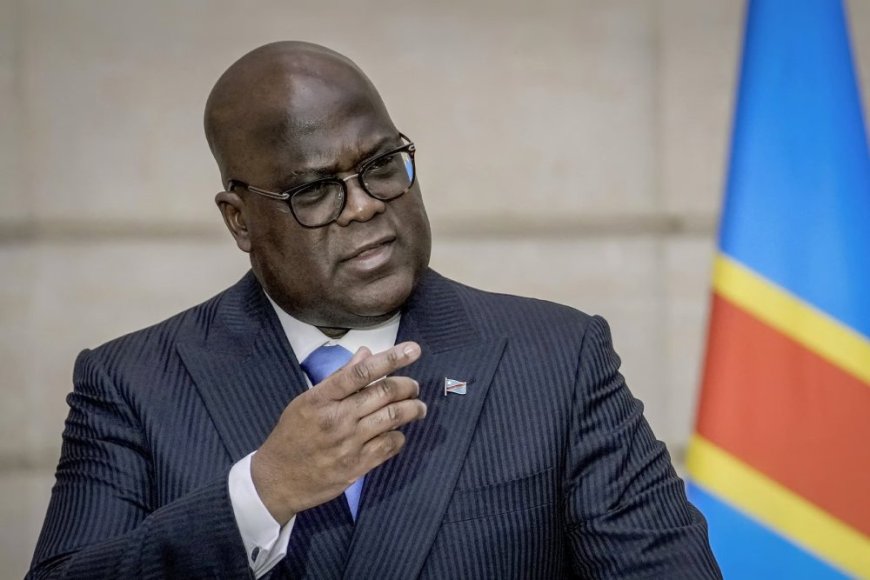
Despite its diplomatic promise, the deal collides with a complex security landscape shaped in part by the Congolese government itself. President Félix Tshisekedi’s continued association with the FDLR  a long-standing and highly controversial militia  together with the presence of foreign mercenaries operating within FARDC units, presents a major structural barrier to implementing any meaningful peace framework. These dynamics expose, once again, the depth of the state’s own vulnerability to armed groups it has, directly or indirectly, allowed to operate.

This already-fraught situation is compounded by the government’s close cooperation with Burundian President Évariste Ndayishimiye, whose military interventions in Minembwe and the Rusizi plain have repeatedly been described by observers as systematic ethnic persecution and as acts amounting to war crimes. Such alliances not only undermine Kinshasa’s credibility but also heighten the volatility of the wider Great Lakes region.
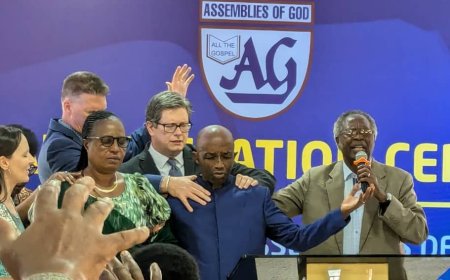
Internally, the political climate remains equally troubled. President Tshisekedi’s tendency to retreat into partisan rhetoric  often characterized by victimhood narratives and inflammatory messaging  has weakened national cohesion at a critical moment. The country’s political opposition, backed by vocal religious and civic institutions, continues to push back against his increasingly isolationist and militarized approach, revealing deep internal fractures that threaten the stability of the state.

Taken together  the enduring presence of the FDLR and foreign mercenaries, the controversial regional partnerships, the intensifying political polarization, and the escalating rhetoric  these factors form a formidable barrier on an already fragile path toward peace in eastern Congo.

The Washington agreement, ambitious as it may be, cannot succeed without a sober recognition of these realities and a firm political commitment to confronting them. Without such resolve, the specter of failure  fueled by internal divisions and regional entanglements  risks overshadowing the very prospect of lasting peace in the Great Lakes region.


Layla kamanzi Layla Kamanzi is a passionate journalist and creative writer with a keen eye for impactful storytelling. As a Journalism and Mass Communication student at Mount Kenya University, she is dedicated to using words as a tool to inform, inspire, and amplify the voices of everyday people. Driven by curiosity and a love for truth, Layla explores stories that shape communities and spark meaningful conversations. She enjoys blending facts with compelling narratives to create content that educates, empowers, and connects audiences across East Africa and beyond.

Washington Peace Deal Under Threat as Militias and Regional Alliances Fuel Instability in Eastern Congo

Dec 8, 2025 - 21:55
Dec 8, 2025 - 21:58
 0
Washington Peace Deal Under Threat as Militias and Regional Alliances Fuel Instability in Eastern Congo

The Washington peace deal faces major obstacles as FDLR fighters, foreign mercenaries within FARDC, and Burundi’s controversial military involvement fuel ongoing instability in eastern Congo. Added to this are internal political divisions and polarizing rhetoric, which weaken national cohesion and threaten hopes for lasting peace in the Great Lakes region.


The peace agreement signed in Washington, which has understandably generated a wave of hope and optimism, now faces a far harsher reality on the ground in eastern Democratic Republic of Congo  a region still gripped by instability, foreign militias, and entrenched political fractures.

Despite its diplomatic promise, the deal collides with a complex security landscape shaped in part by the Congolese government itself. President Félix Tshisekedi’s continued association with the FDLR  a long-standing and highly controversial militia  together with the presence of foreign mercenaries operating within FARDC units, presents a major structural barrier to implementing any meaningful peace framework. These dynamics expose, once again, the depth of the state’s own vulnerability to armed groups it has, directly or indirectly, allowed to operate.

This already-fraught situation is compounded by the government’s close cooperation with Burundian President Évariste Ndayishimiye, whose military interventions in Minembwe and the Rusizi plain have repeatedly been described by observers as systematic ethnic persecution and as acts amounting to war crimes. Such alliances not only undermine Kinshasa’s credibility but also heighten the volatility of the wider Great Lakes region.

Internally, the political climate remains equally troubled. President Tshisekedi’s tendency to retreat into partisan rhetoric  often characterized by victimhood narratives and inflammatory messaging  has weakened national cohesion at a critical moment. The country’s political opposition, backed by vocal religious and civic institutions, continues to push back against his increasingly isolationist and militarized approach, revealing deep internal fractures that threaten the stability of the state.

Taken together  the enduring presence of the FDLR and foreign mercenaries, the controversial regional partnerships, the intensifying political polarization, and the escalating rhetoric  these factors form a formidable barrier on an already fragile path toward peace in eastern Congo.

The Washington agreement, ambitious as it may be, cannot succeed without a sober recognition of these realities and a firm political commitment to confronting them. Without such resolve, the specter of failure  fueled by internal divisions and regional entanglements  risks overshadowing the very prospect of lasting peace in the Great Lakes region.