issa
Tshisekedi at the Global Gateway Forum: A Stage of Amnesia and the Reversal of Responsibilities

Tshisekedi at the Global Gateway Forum: A Stage of Amnesia and the Reversal of Responsibilities

Oct 9, 2025 - 18:20
 0

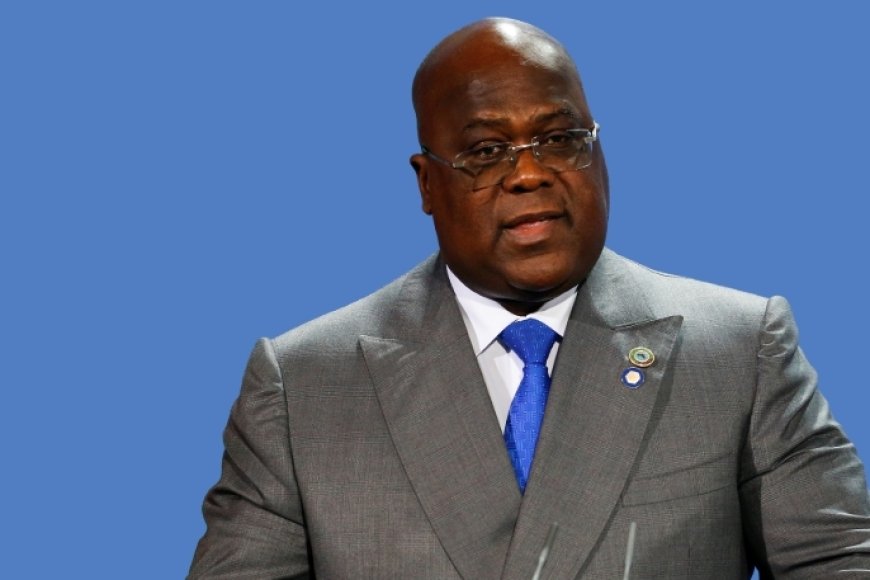
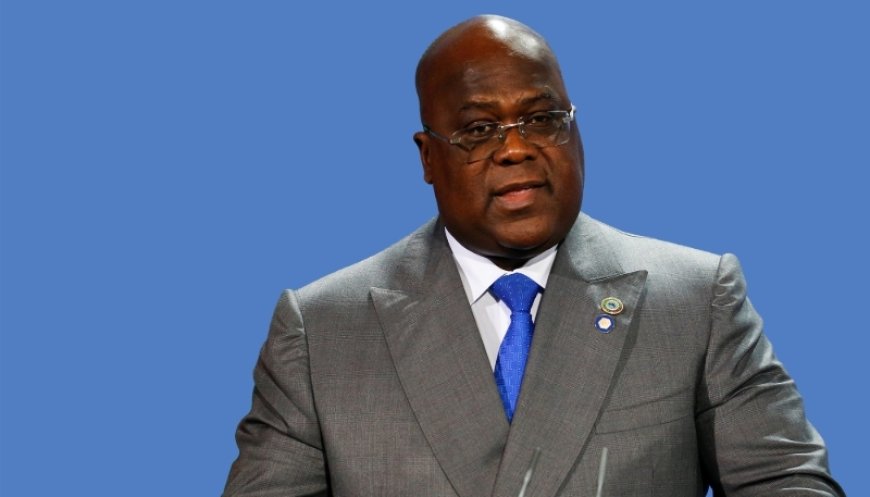
At the Global Gateway Forum, President Félix Tshisekedi once again shifted blame and distorted facts, exposing a deep diplomatic crisis and undermining the DRC’s international credibility.


Once again, as if drawn by the gravitational pull of his own political nature, President Félix Tshisekedi has stood out on the international stage   not through diplomacy or vision, but through a rhetoric built on distorting facts and reversing responsibilities.

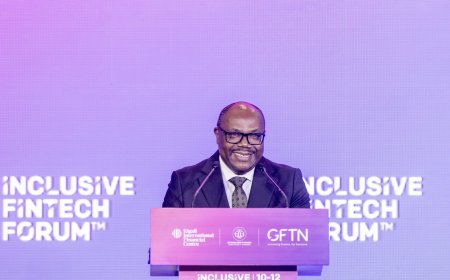
At the Global Gateway Forum in Brussels, Tshisekedi went far beyond outlining his ideas. He rewrote history, shifted blame, and manipulated perceptions with a disconcerting ease. Addressing the world, he insisted he had never adopted a hostile posture toward Rwanda, Uganda, or any of the nine neighboring countries.

But the record tells a different story. Archived statements and widely circulated videos on social media capture a man who once boasted that he could “reach Kigali from Goma” and “remove President Kagame.” These are not isolated remarks but repeated declarations, resurfacing at the slightest flare-up, revealing a consistent pattern rather than rhetorical exaggeration.
A particularly striking example of this strategy is the Luanda episode. By instructing his Foreign Minister, Marie-Thérèse Kayikwamba, to refuse to sign the agreement on neutralizing the FDLR, Tshisekedi not only sabotaged Angola’s mediation efforts but also shifted the blame onto President Kagame, accusing him of obstructing a process he had himself deliberately blocked.
This was not an innocent lapse of memory   it was a calculated political maneuver aimed at confusing audiences and masking the failures of his own diplomacy.

To believe that such rhetorical gymnastics could ease regional tensions or restore international confidence would be naïve. By undermining strategic platforms such as Washington and Doha, weaponizing the symbols of international cooperation, and feigning innocence in the face of his own contradictions, Tshisekedi exposes a foreign policy in deep crisis   one unable to balance ambition with responsibility.

Far from reassuring partners, these tactics erode the credibility of the Democratic Republic of Congo, turning key diplomatic forums into stages for political theatre and fueling distrust among the most seasoned observers.

Here lies the tragic paradox of Tshisekedi’s leadership: a President who presents himself as a visionary but is trapped in his own inconsistencies; a leader who claims to build peace but fans the flames of tension; a head of state whose selective memory reflects a political culture where words take precedence over truth.

The seriousness of the regional challenges demands far more than rhetorical flourish. It requires moral clarity, strategic vision, and a leadership willing to confront reality rather than rewrite it for political gain. History, however, keeps its records   and time will inevitably expose the gap between his words and actions.

Tshisekedi at the Global Gateway Forum: A Stage of Amnesia and the Reversal of Responsibilities

Layla kamanzi Layla Kamanzi is a passionate journalist and creative writer with a keen eye for impactful storytelling. As a Journalism and Mass Communication student at Mount Kenya University, she is dedicated to using words as a tool to inform, inspire, and amplify the voices of everyday people. Driven by curiosity and a love for truth, Layla explores stories that shape communities and spark meaningful conversations. She enjoys blending facts with compelling narratives to create content that educates, empowers, and connects audiences across East Africa and beyond.

Tshisekedi at the Global Gateway Forum: A Stage of Amnesia and the Reversal of Responsibilities

Oct 9, 2025 - 18:20
Oct 9, 2025 - 19:39
 0
Tshisekedi at the Global Gateway Forum: A Stage of Amnesia and the Reversal of Responsibilities

At the Global Gateway Forum, President Félix Tshisekedi once again shifted blame and distorted facts, exposing a deep diplomatic crisis and undermining the DRC’s international credibility.


Once again, as if drawn by the gravitational pull of his own political nature, President Félix Tshisekedi has stood out on the international stage   not through diplomacy or vision, but through a rhetoric built on distorting facts and reversing responsibilities.

At the Global Gateway Forum in Brussels, Tshisekedi went far beyond outlining his ideas. He rewrote history, shifted blame, and manipulated perceptions with a disconcerting ease. Addressing the world, he insisted he had never adopted a hostile posture toward Rwanda, Uganda, or any of the nine neighboring countries.

But the record tells a different story. Archived statements and widely circulated videos on social media capture a man who once boasted that he could “reach Kigali from Goma” and “remove President Kagame.” These are not isolated remarks but repeated declarations, resurfacing at the slightest flare-up, revealing a consistent pattern rather than rhetorical exaggeration.

A particularly striking example of this strategy is the Luanda episode. By instructing his Foreign Minister, Marie-Thérèse Kayikwamba, to refuse to sign the agreement on neutralizing the FDLR, Tshisekedi not only sabotaged Angola’s mediation efforts but also shifted the blame onto President Kagame, accusing him of obstructing a process he had himself deliberately blocked.

This was not an innocent lapse of memory   it was a calculated political maneuver aimed at confusing audiences and masking the failures of his own diplomacy.

To believe that such rhetorical gymnastics could ease regional tensions or restore international confidence would be naïve. By undermining strategic platforms such as Washington and Doha, weaponizing the symbols of international cooperation, and feigning innocence in the face of his own contradictions, Tshisekedi exposes a foreign policy in deep crisis   one unable to balance ambition with responsibility.

Far from reassuring partners, these tactics erode the credibility of the Democratic Republic of Congo, turning key diplomatic forums into stages for political theatre and fueling distrust among the most seasoned observers.

Here lies the tragic paradox of Tshisekedi’s leadership: a President who presents himself as a visionary but is trapped in his own inconsistencies; a leader who claims to build peace but fans the flames of tension; a head of state whose selective memory reflects a political culture where words take precedence over truth.

The seriousness of the regional challenges demands far more than rhetorical flourish. It requires moral clarity, strategic vision, and a leadership willing to confront reality rather than rewrite it for political gain. History, however, keeps its records   and time will inevitably expose the gap between his words and actions.
Tshisekedi at the Global Gateway Forum: A Stage of Amnesia and the Reversal of Responsibilities