 Kinyarwanda
 English
 Swahili


















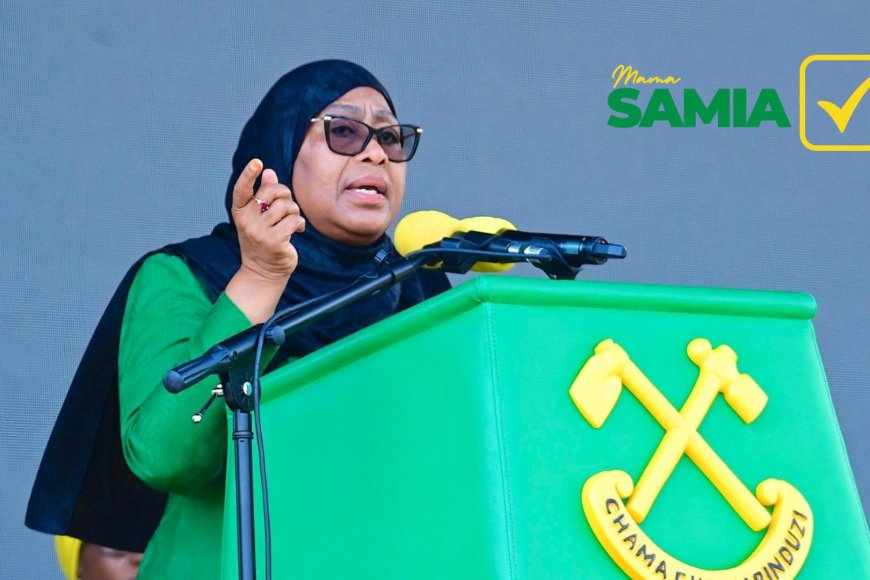
Tanzania Election 2025: A Defining Moment for Democracy, Freedom, and the Future of President Samia Suluhu

Tanzania heads to the polls today in a tense yet hopeful election that will determine President Samia Suluhu Hassan’s future and test the country’s democratic space. Amid opposition disqualification, new electoral laws, and fears of restrictions, citizens express mixed expectations about Tanzania’s political direction after the 2025 elections.

Tanzanians are heading to the polls today, October 29, 2025, to elect their next President, Members of Parliament, and local government representatives. These highly anticipated elections mark the end of President Samia Suluhu Hassan’s first term in office since she succeeded the late John Pombe Magufuli in 2021. The vote takes place in a relatively peaceful environment, though the political atmosphere remains tense amid growing debates over political freedom and the country’s new electoral laws.
The Independent National Electoral Commission (INEC) is conducting the election under new laws enacted in 2024, including the Presidential, Parliamentary and Councillors’ Elections Act and the new Independent Electoral Commission Act. However, opposition parties particularly CHADEMA and ACT-Wazalendo have voiced concerns over how these laws are being implemented. CHADEMA was disqualified from participating in the polls after refusing to sign the official electoral code of conduct, a move many analysts view as a sign of shrinking political space and restricted democratic freedom.
President Samia Suluhu has repeatedly expressed her commitment to “opening up democratic space” and strengthening governance rooted in human rights and transparency. Yet, reports from organizations such as Amnesty International and Human Rights Watch indicate ongoing cases of intimidation targeting independent candidates, journalists, and political reform advocates. There are also growing fears that the government may impose internet restrictions or social media blackouts during the elections, a trend seen in other East African countries. The digital rights group Access Now urged the government “not to shut down the internet or block social media platforms during the elections, as doing so would violate the right to access and share information.”
On the political front, the ruling Chama Cha Mapinduzi (CCM)in power since independence in 1961remains the dominant force and the frontrunner in this election. President Samia has been praised for maintaining stability, easing governance tensions, and promoting gender equality, but critics accuse her of failing to take decisive steps against corruption or to fully liberalize the political space. Although CHADEMA is absent from the ballot, its supporters continue to call for change in leadership, while some independent candidates have declared that they “represent the new voice of citizens demanding transformation.” Meanwhile, ACT-Wazalendo is striving to fill the opposition void, particularly in Zanzibar, despite facing legal and media-related pressure.
In major cities such as Dar es Salaam, Dodoma, and Arusha, citizens have expressed mixed expectations about the polls. Some commend President Samia’s administration for restoring economic growth and maintaining peace, while others insist that it is time for the country to “change direction.” A voter in Dodoma told UkweliTimes: “We want elections without fear. If President Samia wants to leave behind a good legacy, she must allow Tanzanians to choose freely.” This blend of hope and anxiety reflects a nation at a crossroads, with many observers saying that these elections could reshape Tanzania’s political trajectory.
Analysts suggest two possible outcomes for the post-election period. If President Samia secures another term and follows through on her promises to open up political space and fight corruption, Tanzania could usher in a new era of democratic progress and inclusive growth. However, if opposition forces remain sidelined, independent media suppressed, and communication restricted, the country risks sliding back into political tension and fear.
The 2025 general election stands as a major test for Tanzania’s democracy. President Samia Suluhu faces the delicate challenge of balancing CCM’s six-decade dominance with citizens’ growing calls for fairness, transparency, and accountability. As one political analyst put it, “Tanzania stands between the hope of renewal and the fear of regression.” What remains to be seen is whether the people’s votes will truly bring changeor whether the political status quo will simply prevail once again.
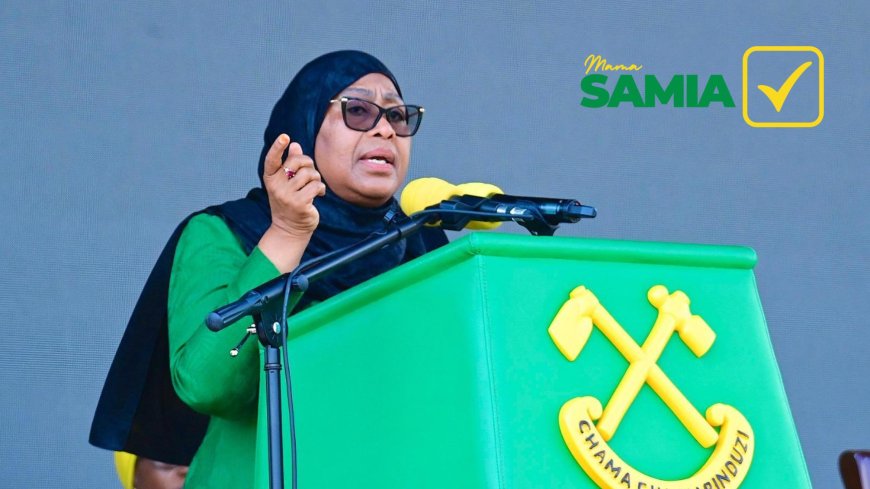
President Samia Suluhu Hassan casts her vote during Tanzania’s 2025 general election, a pivotal moment expected to shape the country’s democratic and political future.