 Kinyarwanda
 English
 Swahili






















Sixth Phase of Unity and Resilience Civic Education Launched at Nyamasheke Correctional Facility

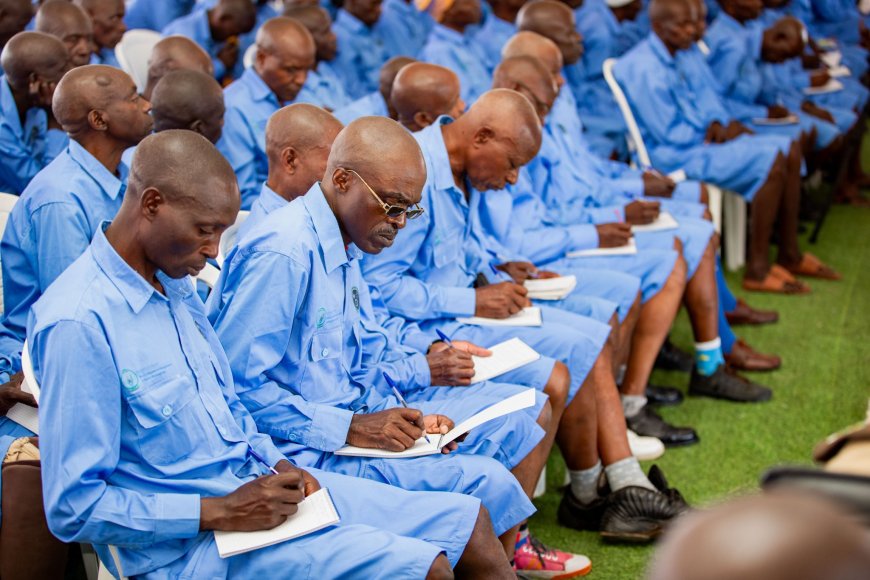
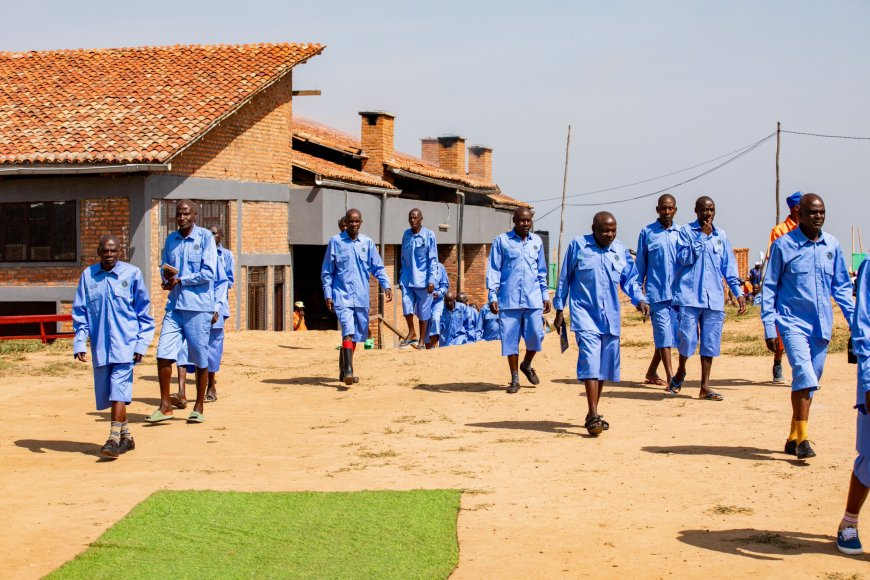
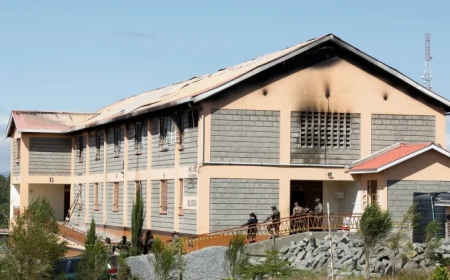
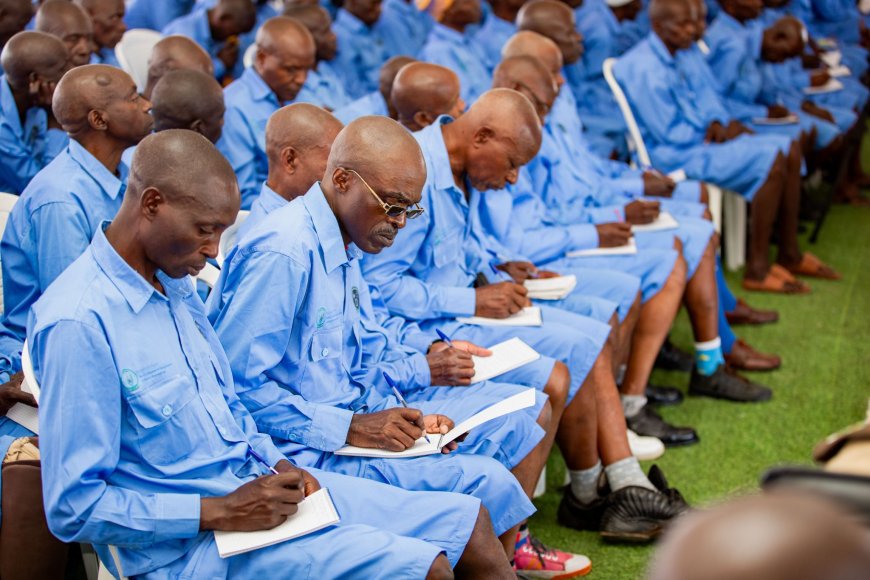
The sixth phase of civic education training on promoting Unity and Resilience among Rwandans has been officially launched at Nyamasheke Correctional Facility.

The program targets inmates convicted of crimes related to the 1994 Genocide against the Tutsi who are preparing to complete their prison sentences.
The training aims to help inmates avoid behaviors that could undermine the progress Rwanda has made in unity, reconciliation, and resilience. It also seeks to support them in reclaiming their identity as responsible citizens who love their country and uphold national unity and resilience, while understanding Rwanda’s development path, governance framework, and their role in contributing to national progress.
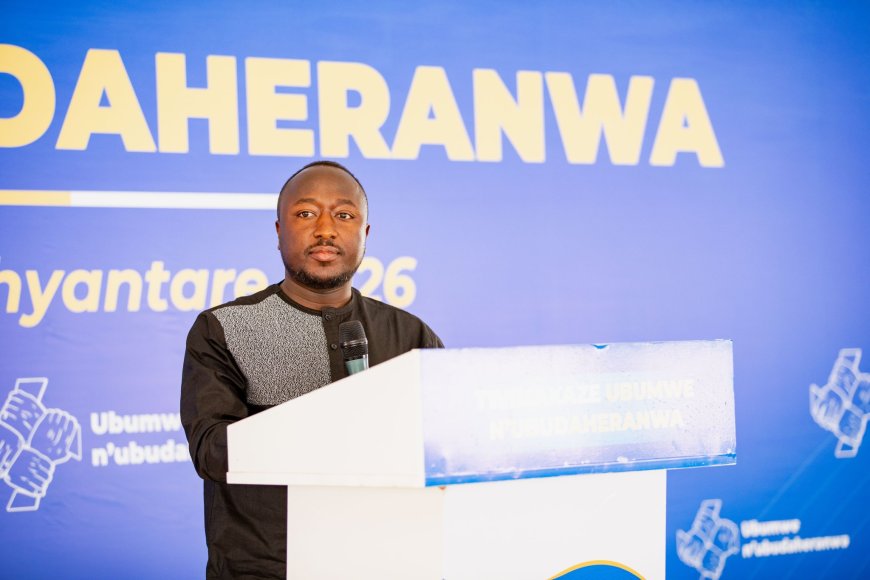
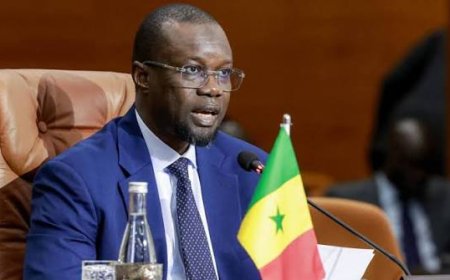
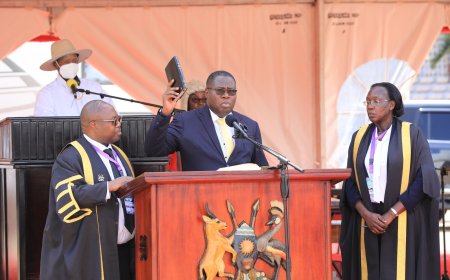
Speaking at the launch of the training, the Permanent Secretary in the Ministry of National Unity and Civic Engagement, Eric Mahoro urged the 653 inmates participating in the program to fully engage in the sessions, emphasizing that the training provides essential lessons designed to address challenges commonly observed among individuals completing their sentences.
He noted that these challenges include repeat offenses, acts of violence or intimidation against Genocide survivors, conflicts with families and neighbors, lack of knowledge on how to access public services, social stigma and fear of reintegration, low participation in government programs, trauma-related challenges, and continued involvement in genocide ideology and hate speech.
The Permanent Secretary highlighted that the training reflects the Government of Rwanda’s belief that individuals who committed genocide crimes, after serving their sentences, can reform and become productive citizens capable of making choices aligned with the country’s vision of unity, reconciliation, and sustainable development.
He further explained that the training responds to findings from the 2025 National Unity Index survey, which revealed that some individuals released after serving sentences for genocide-related crimes continue to adhere to genocide ideology and divisive narratives, while others mislead young people by denying responsibility or distorting historical facts, creating confusion among those with limited knowledge of Rwanda’s history.
The Permanent Secretary described the training as a renewed opportunity for participants to completely abandon genocide ideology and reintegrate into Rwandan society with a commitment to unity, peaceful coexistence, and national development, guided by the values of Rwandanness.
He also called on families and community members to support the reintegration of those completing their sentences by welcoming them without prejudice or suspicion, and by working together to strengthen unity and resilience across the country, under the shared commitment of #NdiUmunyarwanda.