 Kinyarwanda
 English
 Swahili











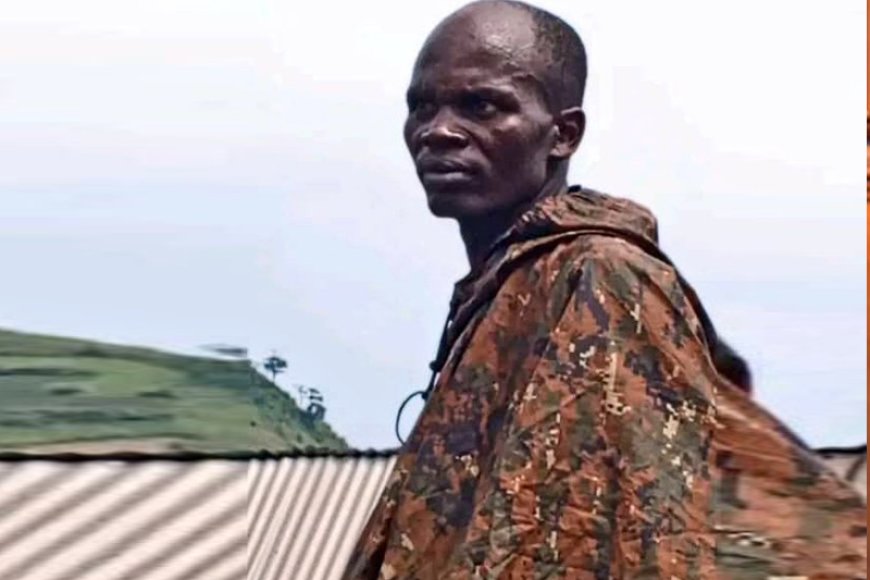
Washington Peace Talks Expose Congo’s Contradictions Over FDLR

The Washington peace accord has revealed deep inconsistencies in Congo’s stance toward the FDLR. President Félix Tshisekedi faces mounting scrutiny after a Congolese general denied the militia’s existence during negotiations, raising doubts about Kinshasa’s commitment to regional peace.

The recent Washington peace accord, hailed as a potential breakthrough in efforts to stabilize the Great Lakes region, has instead exposed the deep ambiguities within the Congolese government’s diplomacy regarding the FDLR issue.
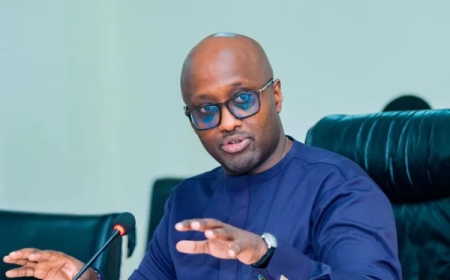
According to Rwanda’s Minister of Foreign Affairs, Ambassador Olivier Nduhungirehe, President Félix Tshisekedi continues to obstruct genuine efforts to neutralize the Democratic Forces for the Liberation of Rwanda (FDLR)a militia rooted in the 1994 genocide and long accused of fueling chronic instability in eastern Democratic Republic of Congo (DRC).
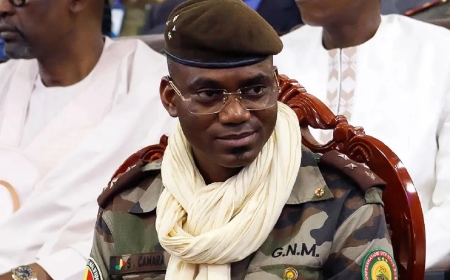
Diplomatic sources in Washington were reportedly taken aback by a startling moment during the negotiations: a Congolese general, part of Tshisekedi’s delegation, publicly denied the very existence of the FDLR.
Pushing this denial even further, the officer declared that he personally would never have agreed to include a clause mandating the neutralization of the FDLR in the peace accord. The statement, viewed as politically explosive, derailed the talks and cast serious doubt on Kinshasa’s sincerity and coherence in its security commitments.
This internal dissonance underscores the confusion of a government trapped in its own contradictions. President Tshisekedi now faces a difficult dilemma: how can he claim to fight the FDLR while maintaining an inconsistent and, at times, complacent stance toward the group?
While official FARDC communiqués warn soldiers against collaborating with the FDLR under threat of sanctions, the government’s broader narrative often minimizes their presenceor denies it altogether.
This dual postureboth accusatory and defensivereveals a deeper discomfort. It reflects a leadership torn between international pressure, domestic political calculations, and questionable local alliances.
The FDLR question has thus become Tshisekedi’s Achilles’ heel, an open wound that undermines the DRC’s credibility on the global stage.
Until this ambiguity is resolved, lasting peace in the Great Lakes region will remain elusive. Washington’s peace talks, if anything, have laid bare the contradiction: behind the diplomatic smiles, old alliances persist, and Kinshasa’s silences continue to speak louder than its written commitments.
Washington Peace Talks Expose Congo’s Contradictions Over FDLR