 Kinyarwanda
 English
 Swahili




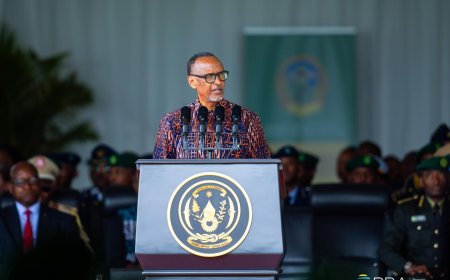
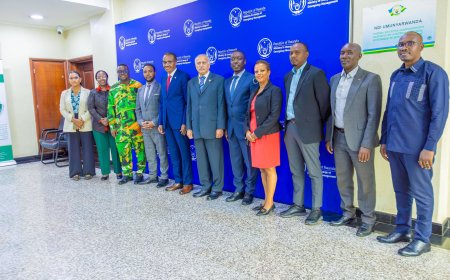
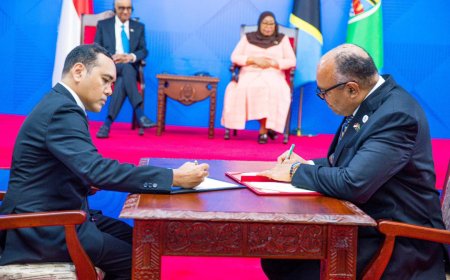













Rwanda at the 76th UNHCR Executive Committee Meeting

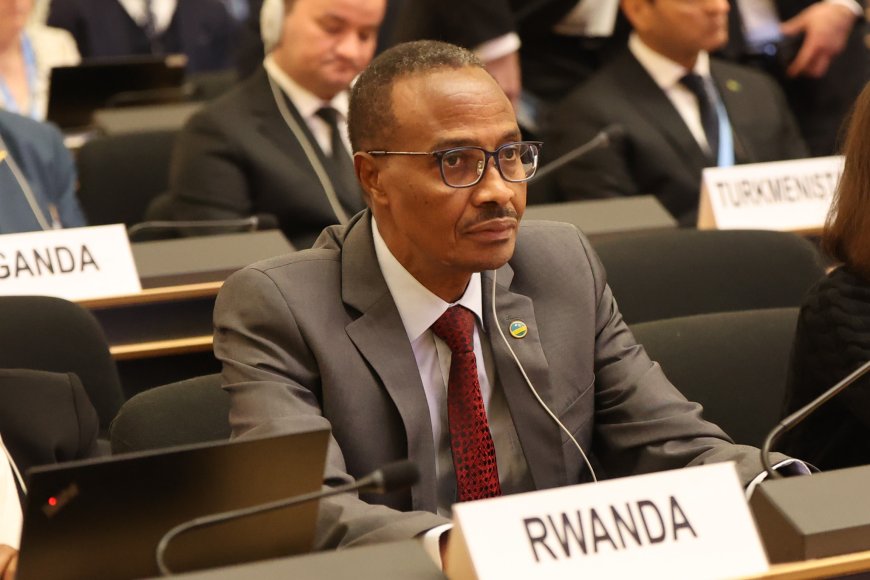
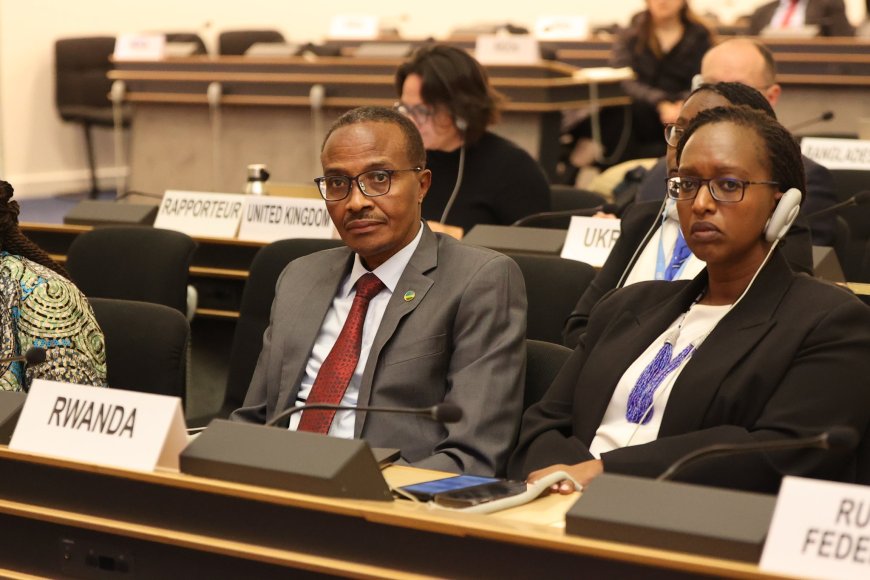
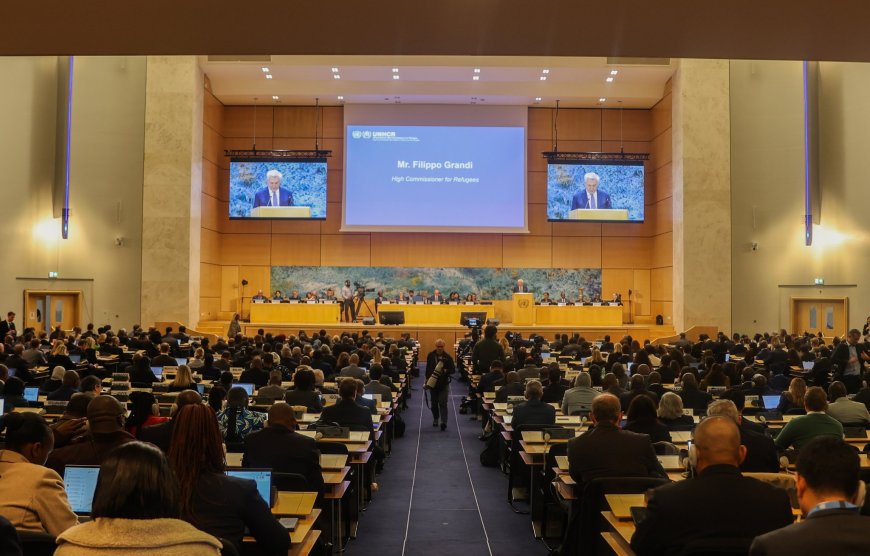
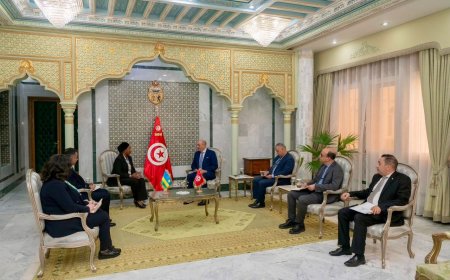
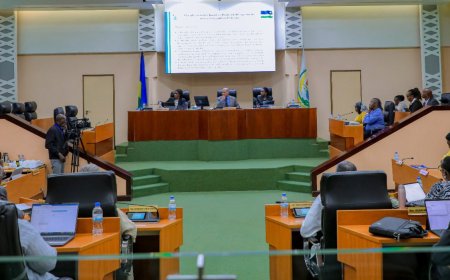
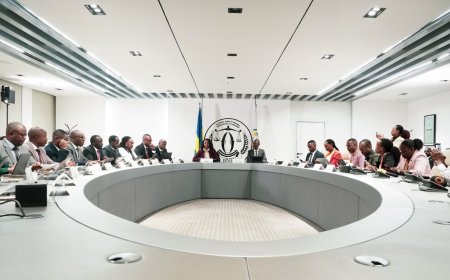
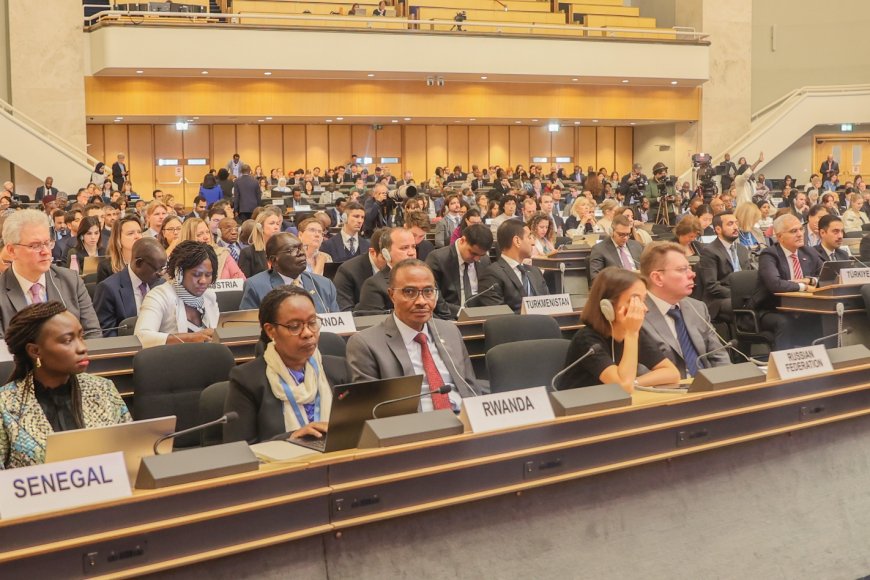
Rwanda participated in the 76th Session of the United Nations High Commissioner for Refugees (UNHCR) Executive Committee held in Geneva, Switzerland, where discussions focused on the urgent need to strengthen global refugee protection and support.

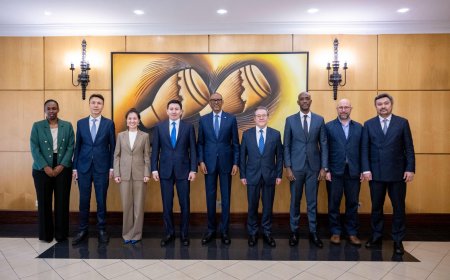
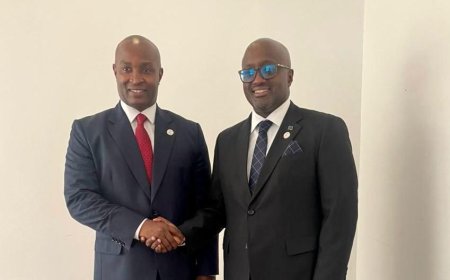
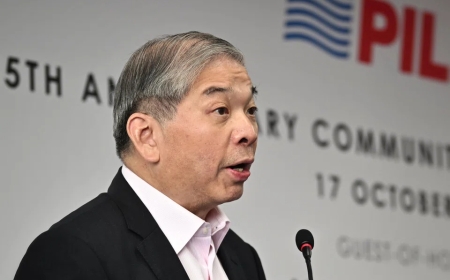
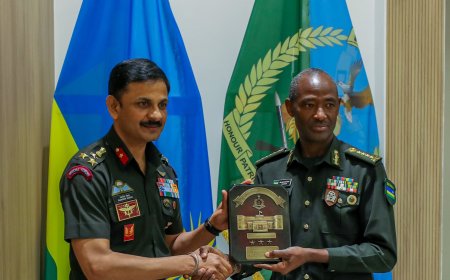
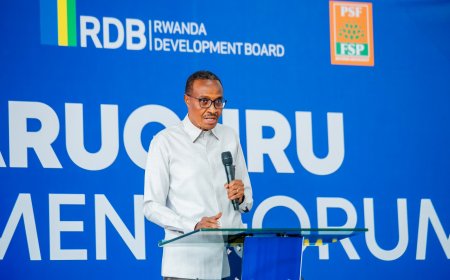
Maj. Gen. (Rtd) Albert Murasira, Minister of Emergency Management, presented Rwanda’s 2025–2030 refugee support strategy, aiming for 50% of refugee households to achieve self-reliance by 2030.
He highlighted Rwanda’s approach to integrating refugees into national programs, including education, healthcare, and livelihood initiatives, emphasizing that refugees are active participants in their communities. He also reaffirmed Rwanda’s support for returning refugees and called on the international community to ensure no refugee or host country is left behind.
Refugee Numbers in Rwanda
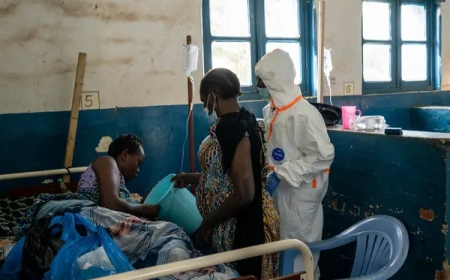
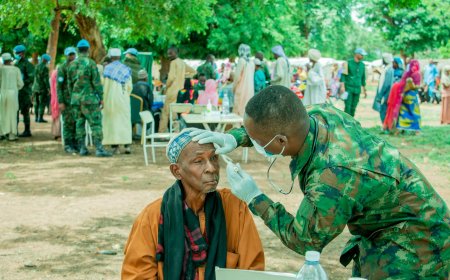
In August 2024, Rwanda hosted approximately 135,077 refugees, mainly from the Democratic Republic of Congo (61.3%), Burundi (36.6%), and other countries (2.1%). Refugees were living in five main camps: Mahama, Kiziba, Nyabiheke, Kigeme, and Mugombwa, along with transit support for arrivals from Libya.
By May 2025, the total forcibly displaced population in Rwanda reached 136,980, including 115,490 refugees, 14,950 asylum seekers, 724 undocumented arrivals, and 6,466 others with special protection needs. Most refugees originated from the Democratic Republic of Congo (61%), Burundi (36%), and other countries (3%).
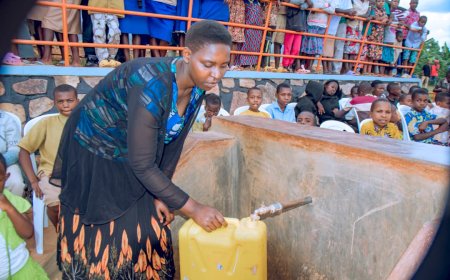
Refugees have access to national education, healthcare, and livelihood programs. Rwanda’s “Jya Mbere II” initiative targets 115,000 refugees and 265,000 host community members, providing skills training, economic opportunities, and basic services. This approach strengthens both refugee self-reliance and host community resilience.
Rwanda’s model demonstrates how inclusive programs can empower refugees and strengthen host communities, aligning with global development goals (SDGs).