 Kinyarwanda
 English
 Swahili






























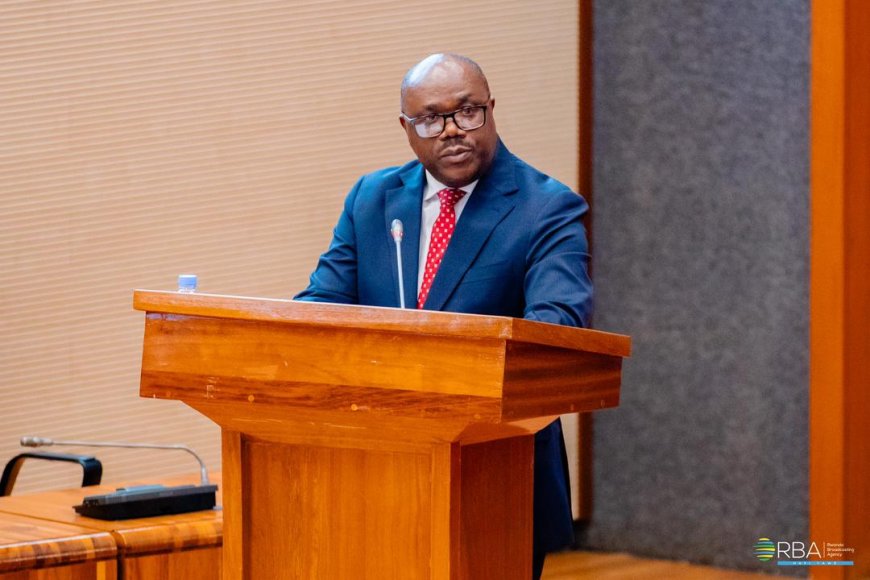
PM Nsengiyumva Charts Rwanda’s Path to Growth Through Agriculture and Industry

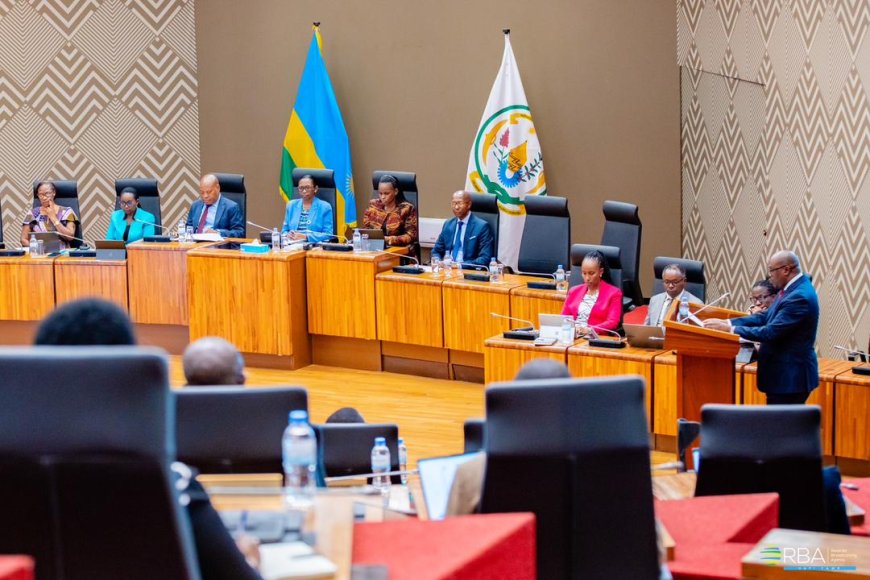
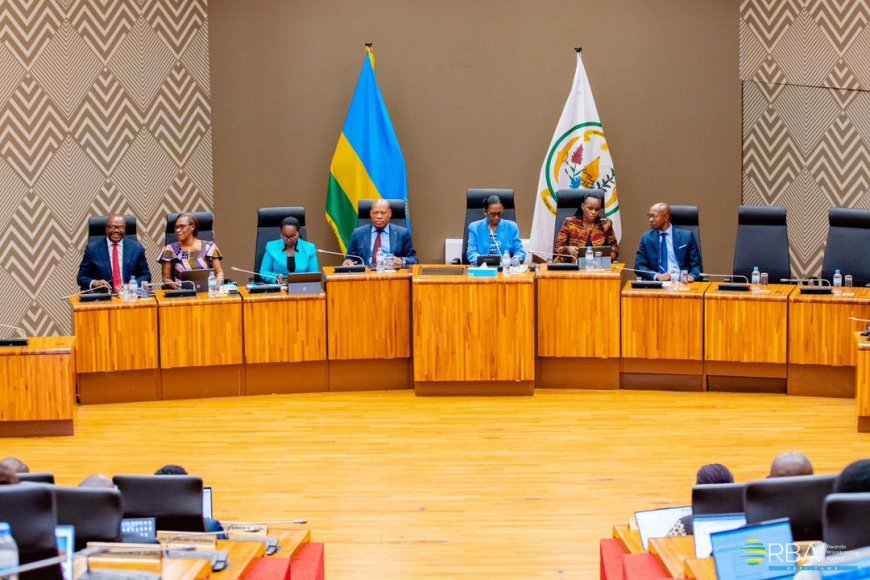
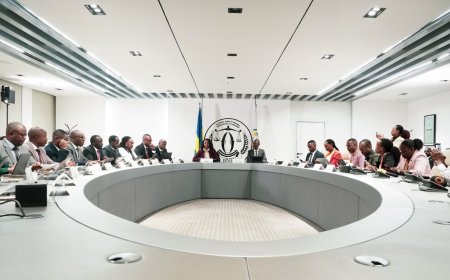
The Government of Rwanda is accelerating efforts to strengthen the country’s economy through simultaneous growth in agriculture, livestock, and industrial sectors. With the ambitious goal of raising agricultural and livestock productivity by 50% by 2029, the government aims to secure food self-sufficiency, increase incomes, and generate jobs.

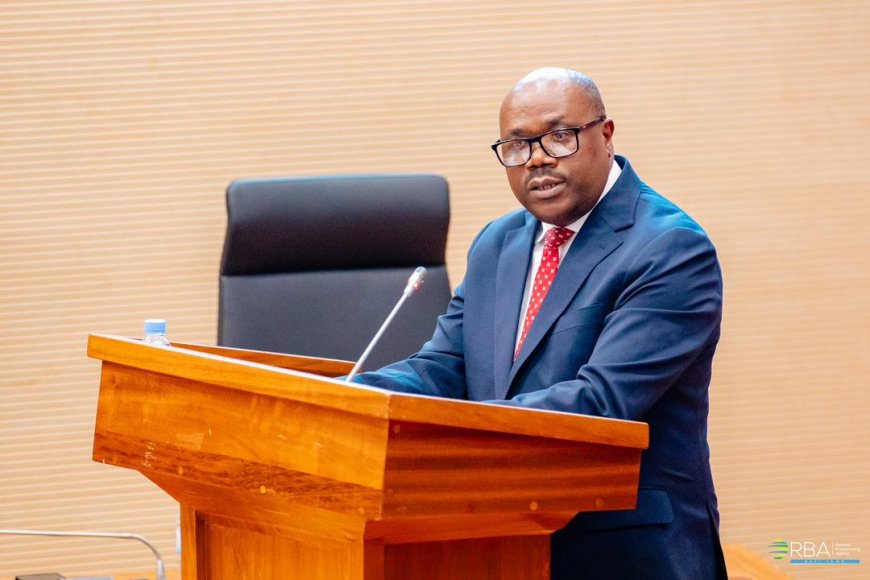
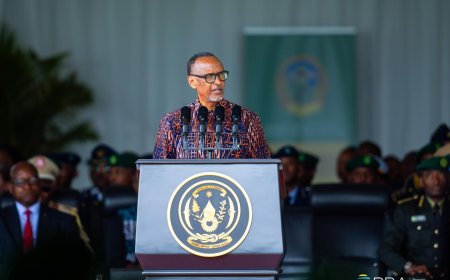
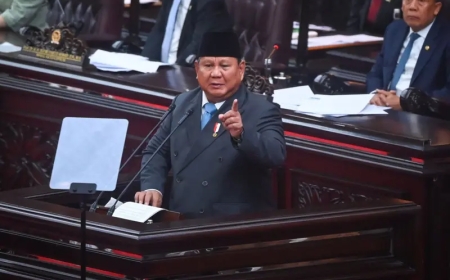
Presenting to a joint session of Parliament, Prime Minister Dr. Justin Nsengiyumva emphasized the central role of agriculture, which engages nearly 70% of Rwandans. “Agriculture is the foundation of our country’s development. Strengthening it improves health, education, housing, employment, and overall well-being,” he said.
Fish production has nearly doubled from 28,000 tons in 2017 to 48,000 tons in 2024, projected to reach 77,000 tons by 2029. Egg production rose from 8,000 tons in 2017 to 17,000 tons in 2024, expected to reach 21,000 tons by 2029.
Deputy Germaine Mukabalisa highlighted challenges with factories not operating at full capacity, citing the Rwamagana rice factory, in which the government holds 40% shares, but which remains underutilized. Farmers in Rwamagana often have to send their rice to the southern provinces.
PM Nsengiyumva explained that this is a nationwide issue. Many factories operate at only 40% capacity and for limited hours (8:00 am to 5:00 pm), while machines could run 24/7. The government is engaging private investors to expand factory capacity and ensure farmers’ products are fully processed and efficiently marketed.
The government plans to expand irrigated land from 74,375 hectares to 132,171 hectares by 2029. Fertilizer use will rise from 73.1 kg per hectare to 94.6 kg, and the Smart Nkunganire System now supports 2.8 million farmers with digital access to subsidies.
Industrial growth has already increased employment, with 84,300 jobs in processing factories in 2024, up from 52,700 in 2017. Government collaboration with private investors aims to enhance factory efficiency and link industrial output with agricultural production for value addition.
Rwanda’s GDP grew by 7.8% in the first quarter of 2025, reaching FRW 5.255 trillion, up from FRW 4.486 trillion in Q1 2024. Services contributed 46%, agriculture 24%, industry 23%, and other sectors 7%. These combined efforts in agriculture and industry are expected to drive sustainable, inclusive economic growth.