 Kinyarwanda
 English
 Swahili









































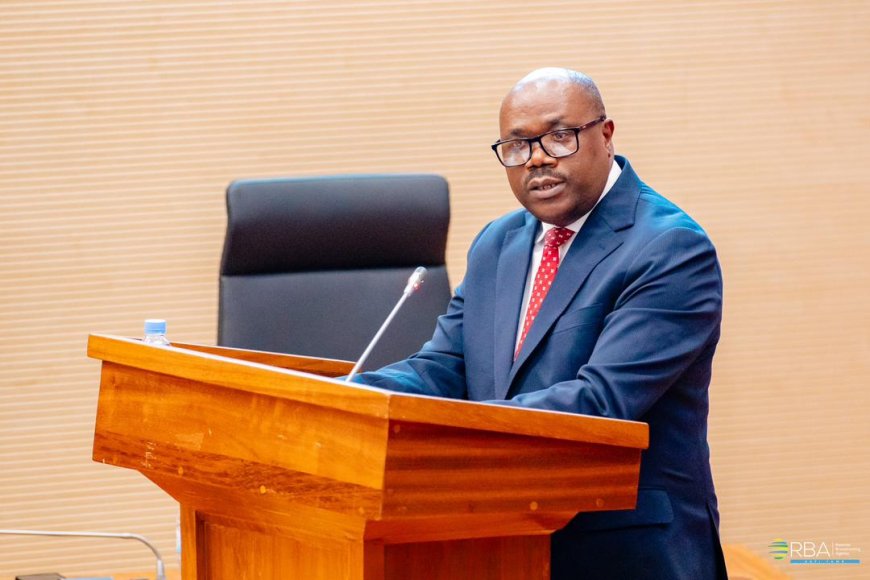
Rwanda Accelerates Agricultural Growth: 50% Productivity Boost Targeted by 2029

The Government of Rwanda has unveiled ambitious plans to raise agricultural and livestock productivity by 50% by 2029, aiming to strengthen food security and drive inclusive economic growth.

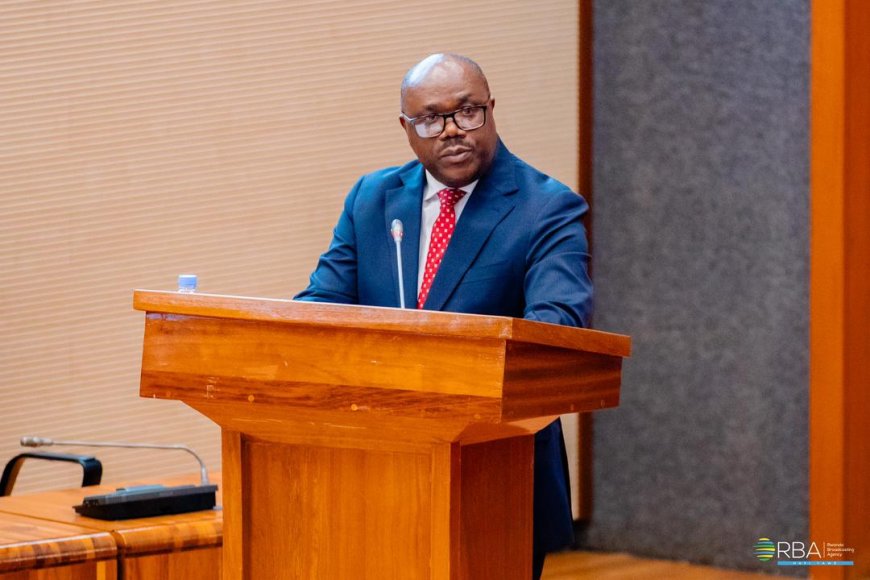
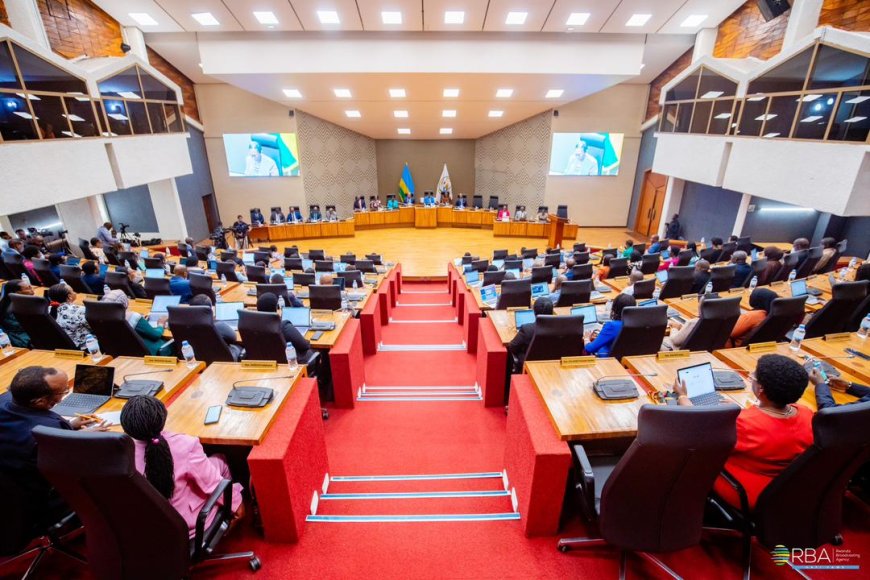
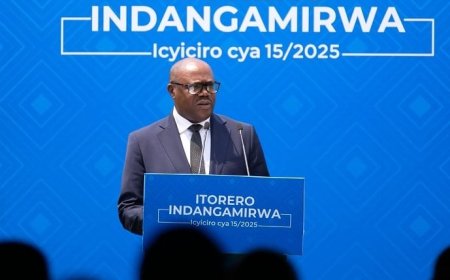
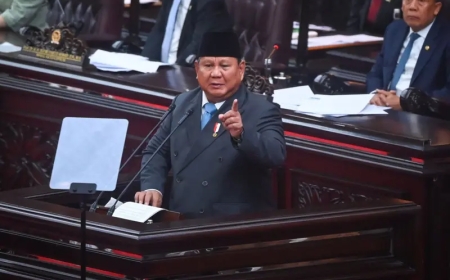
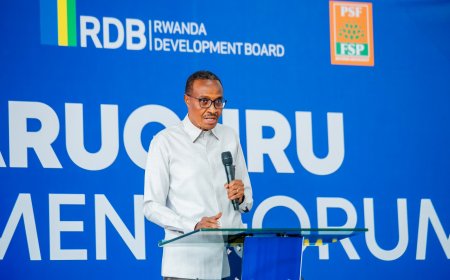
Presenting to a joint session of Parliament, Prime Minister Dr. Justin Nsengiyumva emphasized that agriculture remains the backbone of Rwanda’s economy and livelihoods, with nearly 70% of citizens depending on the sector. “Agriculture is the foundation of our country’s development. Strengthening it means enhancing the well-being of our people across health, education, jobs, housing, and income,” he said.
PM Nsengiyumva highlighted significant growth in livestock sub-sectors. Fish production has nearly doubled from 28,000 tons in 2017 to 48,000 tons in 2024, with projections of 77,000 tons by 2029. Egg production also increased from 8,000 tons in 2017 to 17,000 tons in 2024, expected to reach 21,000 tons by 2029.
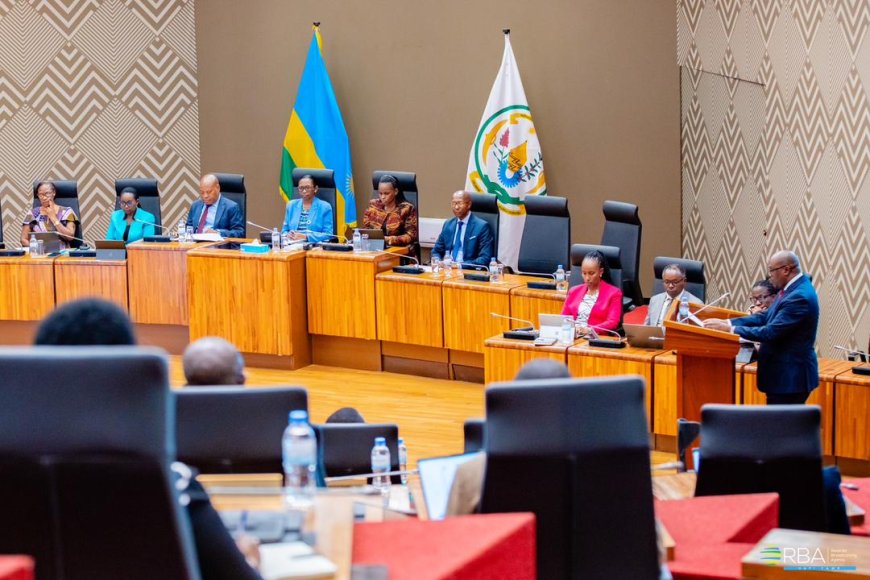
Senator Adrie Umuhire noted that while technology in agriculture and livestock has helped boost production and exports, farmers still struggle to access animal feed. She suggested establishing feed-producing factories closer to livestock farmers.
PM Nsengiyumva responded that the government already provides support for animal feed and is working to make it more accessible. Regarding low vegetable and fruit yields, he added that households are encouraged to plant at least five fruit trees at home, while nationwide tree-planting campaigns, including fruit trees, continue.
Deputy Germaine Mukabalisa highlighted challenges with factories not operating at full capacity, citing the Rwamagana rice factory, in which the government holds 40% shares, but which remains underutilized. Farmers in Rwamagana often have to send their rice to the southern provinces.
PM Nsengiyumva explained that this is a nationwide issue. Many factories operate at only 40% capacity and for limited hours (8:00 am to 5:00 pm), while machines could run 24/7. The government is engaging private investors to expand factory capacity and ensure farmers’ products are fully processed and efficiently marketed.
To achieve the 50% productivity target, Rwanda plans to expand irrigated land from 74,375 hectares to 132,171 hectares by 2029. Fertilizer use is projected to rise from 73.1 kg per hectare to 94.6 kg, and lime application to 23,000 tons. The Smart Nkunganire System, which facilitates digital access to farm subsidies, now serves 2.8 million farmers. Government investment in fertilizer subsidies grew from FRW 1.4 billion in 2017/2018 to FRW 39 billion in 2025/2026.
Agriculture currently receives 6% of total bank lending, with a target to reach 10% by 2029. Crop and livestock insurance is being scaled up, with 307,593 farmers and 56,761 livestock keepers already enrolled. Since its launch, the scheme has received over FRW 5 billion in government support, with financial institutions compensating farmers FRW 7.1 billion.
Thanks to these efforts, Rwanda’s food self-sufficiency is expected to rise from 79.6% in 2024 to 100% by 2029. Agro-processing value has grown sharply, from FRW 369 billion in 2017 to over FRW 1 trillion in 2024. Milk production is projected to climb from 1.09 billion liters in 2024 to 1.3 billion liters by 2029.