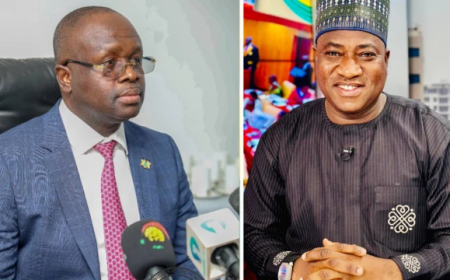
issa
Tanzania: From Marijuana to Crocodiles, the Wild Campaign Promises Shaping East Africa’s 2025 Elections

Tanzania: From Marijuana to Crocodiles, the Wild Campaign Promises Shaping East Africa’s 2025 Elections

Oct 26, 2025 - 09:51
 0

As Tanzania heads toward the 2025 elections, candidates are making bizarre pledges from building crocodile ponds for corrupt officials to legalizing marijuana and offering citizens $200 monthly. A look at East Africa’s most unusual campaign promises.


As Tanzania moves closer to its October 2025 general elections, the campaign trail is heating up  and so are the promises. From pledges to legalize marijuana to vows of building crocodile ponds for corrupt officials, some candidates seem to be competing not only for votes but also for headlines.

Before diving into Tanzania’s campaign theatrics, it’s worth recalling Kenya’s 2022 elections, where eccentric presidential candidate George Wajackoyah, a law professor and leader of the Roots Party, made waves with his unconventional manifesto.

Among his most controversial proposals were legalizing the cultivation of marijuana to boost the economy, farming snakes for export to China, and exporting dog and hyena meat as high-value delicacies.

Wajackoyah argued that Kenya could solve its financial woes through marijuana cultivation alone. He said that if Kenya planted marijuana only in Nyeri County, every citizen could receive KSh 200,000 annually, and the country could build two modern highways in each of its 47 counties without borrowing a single cent from abroad.
He also promised to release all prisoners convicted of marijuana-related offenses and compensate them with KSh 1 million each. His proposed government would breed snakes for their venom to export to China for pharmaceutical use and promote dog breeding to supply meat to Asian markets.

His bold ideas stirred both laughter and debate across Kenya, but they also underscored how far some politicians are willing to go to capture public attention.

In Tanzania, the script is no less dramatic. As candidates unveil their manifestos, many promises have raised eyebrows for their creativity and controversy.

Kunje Ngombale Mwiru, the presidential candidate of the Alliance for African Farmers Party (AAFP), announced during a rally in Dar es Salaam that, if elected, he would construct a crocodile pond at the Presidential Palace. He said all corrupt officials would be thrown into the pond to be eaten by crocodiles and that their clothes would be displayed nearby as evidence of their crimes. Holding a stick during his rally, he added that the same stick would be used to beat corrupt people before they are thrown into the pond, even if he had to cancel an international trip to do it.

Another candidate, Said Soud Said, from Zanzibar and also running under the Alliance for African Farmers Party, pledged to legalize marijuana cultivation in Tanzania. He said the youth of Tanzania would grow high-value crops, including marijuana, which the government would buy and export to Europe to generate foreign currency and solve economic challenges.

His statement sparked controversy, as marijuana remains illegal in Tanzania and many other countries. Yet, according to Business Insider, as of October 2024, at least nine African nations have legalized cannabis for industrial or medicinal purposes.

Meanwhile, Devotha Minja, the deputy presidential candidate of the Chama cha Umma (CHAUMMA) party, promised Tanzanians that, under her administration, hospital patients would receive massage therapy before any medical treatment. She explained that CHAUMMA’s policy centers on food as medicine, where patients arriving at hospitals would first be served soft rice instead of drugs, believing food heals the body.


The party’s soft rice policy dates back to the 2020 election campaign, when CHAUMMA was warned by Tanzania’s anti-corruption bureau for allegedly offering food as voter inducement. This time, however, the party insists the policy is about health, not handouts.

From Zanzibar, Ameir Hassan Ameir, the presidential candidate of the Makini Party, pledged to provide every Zanzibari citizen with USD 200 per month once he assumes office. He also promised to raise the minimum government salary to TZS 1.5 million, saying his administration would prioritize improving living standards.

On social media, Tanzanians responded with a mix of amusement and disbelief, with many quoting the phrase “too good to be true.”

Across East Africa, political promises often oscillate between ambition and absurdity. From Kenya’s marijuana dreams to Tanzania’s crocodile justice and soft rice healthcare, one thing remains clear  in the race for power, some politicians will promise anything to stand out.

But as history has shown, not all that glitters on the campaign trail turns into gold in governance. For now, voters can only watch, laugh, and wait.

CHAUMMA deputy presidential candidate Devotha Minja launches her party’s campaign, promising Tanzanians that hospital patients will receive body massages and soft rice meals before medical treatment, while Makini Party’s Zanzibar candidate Ameir Hassan Ameir vows to give every citizen USD 200 monthly and raise the minimum public salary to TZS 1.5 million.

AAFP presidential candidate Kunje Ngombale Mwiru speaks during a campaign rally in Dar es Salaam, where he vowed to build a crocodile pond at the State House to punish corrupt officials  declaring that anyone found guilty of corruption would be thrown in to be eaten by crocodiles.

Presidential candidate Said Soud Said from Zanzibar, running under the Alliance for African Farmers Party (AAFP), addresses supporters during a campaign rally, pledging to legalize marijuana cultivation in Tanzania as a commercial crop to generate foreign income and boost the nation’s economy.


Layla kamanzi Layla Kamanzi is a passionate journalist and creative writer with a keen eye for impactful storytelling. As a Journalism and Mass Communication student at Mount Kenya University, she is dedicated to using words as a tool to inform, inspire, and amplify the voices of everyday people. Driven by curiosity and a love for truth, Layla explores stories that shape communities and spark meaningful conversations. She enjoys blending facts with compelling narratives to create content that educates, empowers, and connects audiences across East Africa and beyond.

Tanzania: From Marijuana to Crocodiles, the Wild Campaign Promises Shaping East Africa’s 2025 Elections

Oct 26, 2025 - 09:51
 0
Tanzania: From Marijuana to Crocodiles, the Wild Campaign Promises Shaping East Africa’s 2025 Elections

As Tanzania heads toward the 2025 elections, candidates are making bizarre pledges from building crocodile ponds for corrupt officials to legalizing marijuana and offering citizens $200 monthly. A look at East Africa’s most unusual campaign promises.


As Tanzania moves closer to its October 2025 general elections, the campaign trail is heating up  and so are the promises. From pledges to legalize marijuana to vows of building crocodile ponds for corrupt officials, some candidates seem to be competing not only for votes but also for headlines.

Before diving into Tanzania’s campaign theatrics, it’s worth recalling Kenya’s 2022 elections, where eccentric presidential candidate George Wajackoyah, a law professor and leader of the Roots Party, made waves with his unconventional manifesto.

Among his most controversial proposals were legalizing the cultivation of marijuana to boost the economy, farming snakes for export to China, and exporting dog and hyena meat as high-value delicacies.

Wajackoyah argued that Kenya could solve its financial woes through marijuana cultivation alone. He said that if Kenya planted marijuana only in Nyeri County, every citizen could receive KSh 200,000 annually, and the country could build two modern highways in each of its 47 counties without borrowing a single cent from abroad.

He also promised to release all prisoners convicted of marijuana-related offenses and compensate them with KSh 1 million each. His proposed government would breed snakes for their venom to export to China for pharmaceutical use and promote dog breeding to supply meat to Asian markets.

His bold ideas stirred both laughter and debate across Kenya, but they also underscored how far some politicians are willing to go to capture public attention.

In Tanzania, the script is no less dramatic. As candidates unveil their manifestos, many promises have raised eyebrows for their creativity and controversy.

Kunje Ngombale Mwiru, the presidential candidate of the Alliance for African Farmers Party (AAFP), announced during a rally in Dar es Salaam that, if elected, he would construct a crocodile pond at the Presidential Palace. He said all corrupt officials would be thrown into the pond to be eaten by crocodiles and that their clothes would be displayed nearby as evidence of their crimes. Holding a stick during his rally, he added that the same stick would be used to beat corrupt people before they are thrown into the pond, even if he had to cancel an international trip to do it.

Another candidate, Said Soud Said, from Zanzibar and also running under the Alliance for African Farmers Party, pledged to legalize marijuana cultivation in Tanzania. He said the youth of Tanzania would grow high-value crops, including marijuana, which the government would buy and export to Europe to generate foreign currency and solve economic challenges.

His statement sparked controversy, as marijuana remains illegal in Tanzania and many other countries. Yet, according to Business Insider, as of October 2024, at least nine African nations have legalized cannabis for industrial or medicinal purposes.

Meanwhile, Devotha Minja, the deputy presidential candidate of the Chama cha Umma (CHAUMMA) party, promised Tanzanians that, under her administration, hospital patients would receive massage therapy before any medical treatment. She explained that CHAUMMA’s policy centers on food as medicine, where patients arriving at hospitals would first be served soft rice instead of drugs, believing food heals the body.


The party’s soft rice policy dates back to the 2020 election campaign, when CHAUMMA was warned by Tanzania’s anti-corruption bureau for allegedly offering food as voter inducement. This time, however, the party insists the policy is about health, not handouts.

From Zanzibar, Ameir Hassan Ameir, the presidential candidate of the Makini Party, pledged to provide every Zanzibari citizen with USD 200 per month once he assumes office. He also promised to raise the minimum government salary to TZS 1.5 million, saying his administration would prioritize improving living standards.

On social media, Tanzanians responded with a mix of amusement and disbelief, with many quoting the phrase “too good to be true.”

Across East Africa, political promises often oscillate between ambition and absurdity. From Kenya’s marijuana dreams to Tanzania’s crocodile justice and soft rice healthcare, one thing remains clear  in the race for power, some politicians will promise anything to stand out.

But as history has shown, not all that glitters on the campaign trail turns into gold in governance. For now, voters can only watch, laugh, and wait.
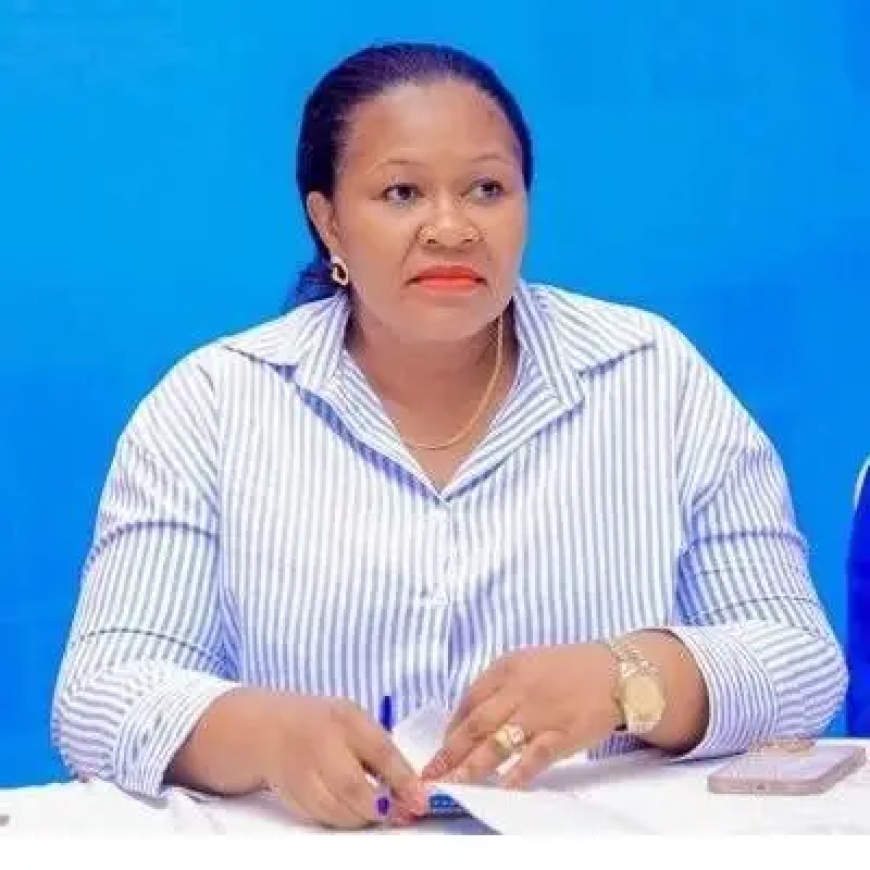
CHAUMMA deputy presidential candidate Devotha Minja launches her party’s campaign, promising Tanzanians that hospital patients will receive body massages and soft rice meals before medical treatment, while Makini Party’s Zanzibar candidate Ameir Hassan Ameir vows to give every citizen USD 200 monthly and raise the minimum public salary to TZS 1.5 million.

AAFP presidential candidate Kunje Ngombale Mwiru speaks during a campaign rally in Dar es Salaam, where he vowed to build a crocodile pond at the State House to punish corrupt officials  declaring that anyone found guilty of corruption would be thrown in to be eaten by crocodiles.
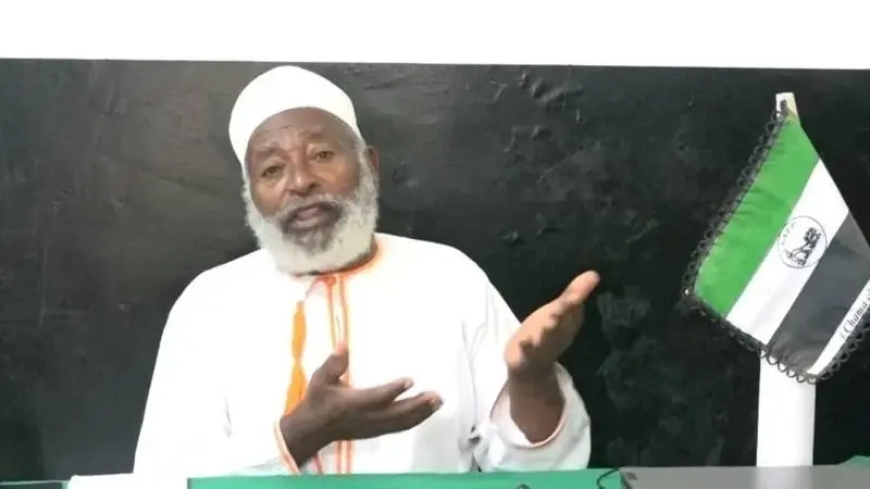
Presidential candidate Said Soud Said from Zanzibar, running under the Alliance for African Farmers Party (AAFP), addresses supporters during a campaign rally, pledging to legalize marijuana cultivation in Tanzania as a commercial crop to generate foreign income and boost the nation’s economy.