 Kinyarwanda
 English
 Swahili

















































Ministry of Health Sets Fresh Hygiene Rules for Rwandans

The Ministry of Health in Rwanda has issued new hygiene guidelines aimed at preventing diseases and promoting overall public health.

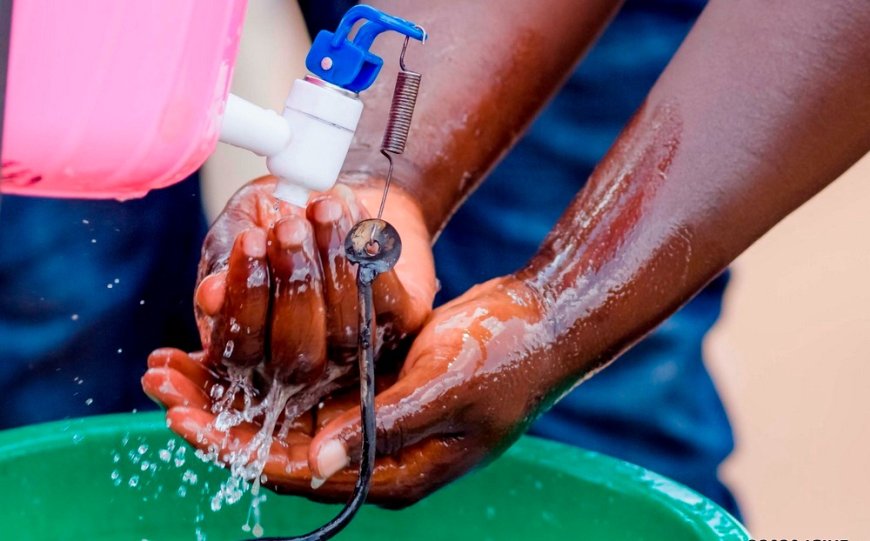
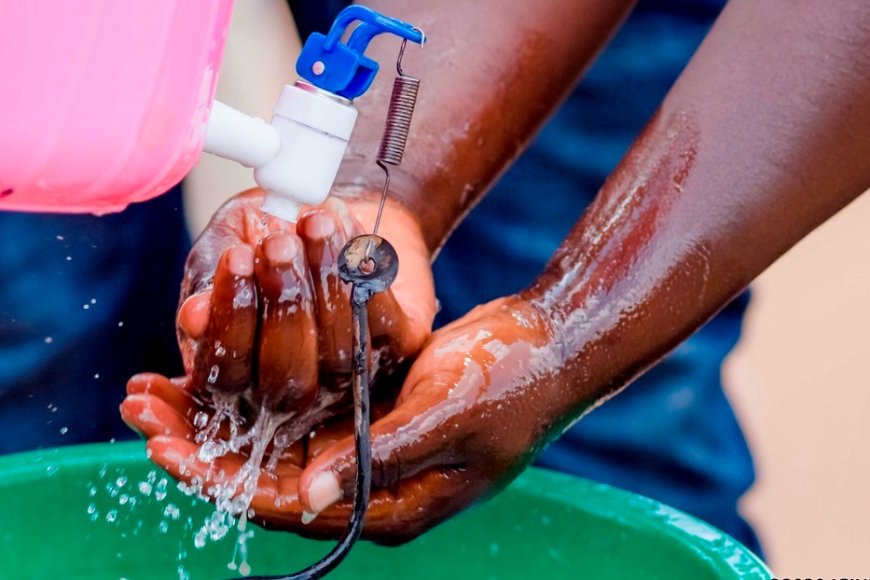
Announced on November 26, 2025, the guidelines advise all citizens to bathe their entire body at least once daily, brush teeth at least twice a day using a proper toothbrush and toothpaste, maintain hair cleanliness, wash hands with clean water and soap before meals, after using the toilet, and during other daily activities, wear clean clothes, wash feet, and sleep in a clean environment.
The guidelines also cover household cleanliness, public spaces, streets, cemeteries, and other areas where people gather. Every home is required to have a well-constructed and functional toilet, a handwashing facility near the toilet, a proper shower or bathing area, a clean and well-equipped kitchen, safe water storage, systems to separate biodegradable from non-biodegradable waste, and designated areas for laundry and drying clothes. Urban households must have proper waste collection points, containers, and agreements with waste collection services, while preventing domestic animals from contaminating living areas.
In cemeteries and funeral sites, waste must be removed regularly, pathways kept clean, handwashing facilities with clean water and soap provided at entrances, and separate toilets established for men, women, and persons with disabilities. Funerals should be managed safely to prevent the spread of disease. Streets must be kept free of waste, with designated trash points every 100 meters, and proper drainage systems for rainwater.
Religious sites such as churches, mosques, and temples must provide clean and separate toilets for men, women, and persons with disabilities, handwashing facilities with water and soap, and safe waste disposal systems. Correctional and rehabilitation centers are required to have sufficient clean water, clean toilets, organized kitchens, pest control measures, and regular cleaning routines.
These guidelines form part of a nationwide effort to establish continuous monitoring of hygiene and sanitation practices from the national to local levels, assigning responsibilities and accountability to each administrative unit. Hygiene starts with the body and is a shared responsibility affecting the health of all citizens. When everyone follows these guidelines, Rwanda will become a nation with healthier citizens and improved public health.