 Kinyarwanda
 English
 Swahili




















































5,600 Women Are Living with Cervical Cancer in Rwanda

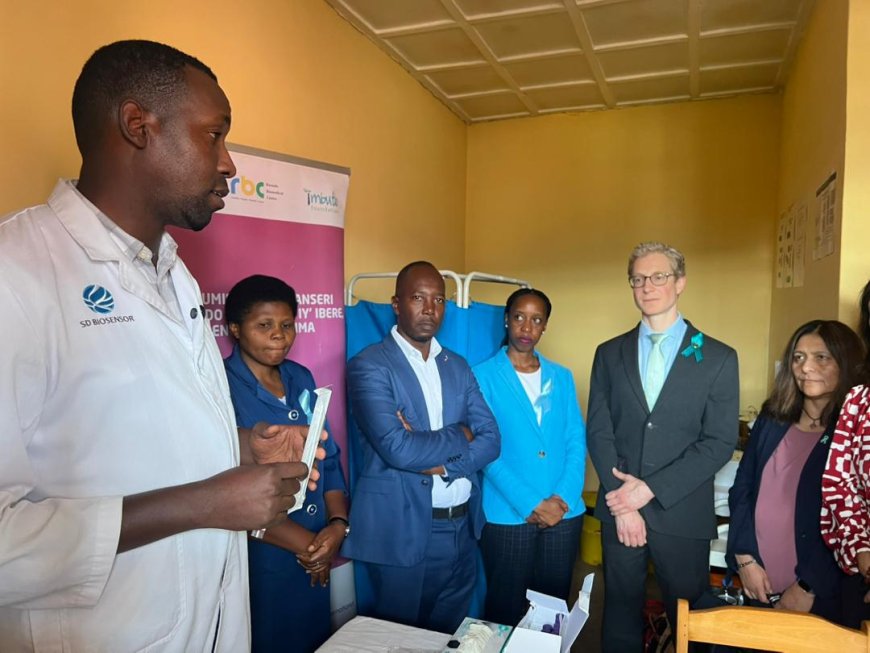
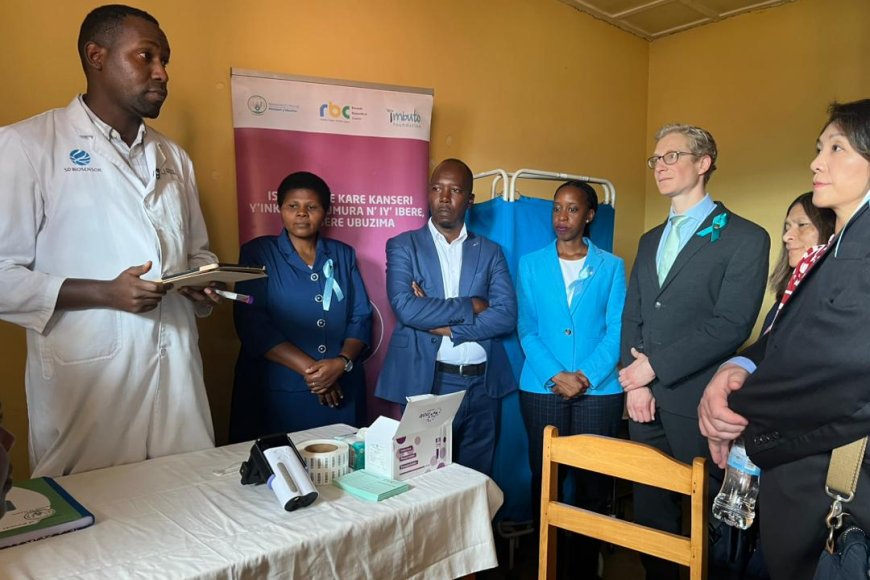
In Rwanda, approximately 5,600 women and girls are living with cervical cancer, while around 700 new cases are diagnosed each year. On Monday, 17 November 2025, Rwanda joined the global community in observing World Cervical Cancer Awareness Day, highlighting the importance of early detection and treatment.

Dr. François Uwinkindi of the Rwanda Biomedical Centre RBC said: "Cervical cancer can be successfully treated if detected early Screening and vaccination are the most effective tools we have to protect women and save lives."
Cervical cancer is primarily caused by persistent infection with the human papillomavirus HPV The virus spreads mostly through sexual contact but can also be transmitted via contaminated surfaces or shared sexual devices Many women remain symptom-free until the disease progresses though early warning signs may include unusual bleeding discharge pelvic pain or unexpected weight loss
Screening methods such as Pap smears and HPV tests help detect precancerous changes before they develop into cancer Women diagnosed with early-stage changes receive prompt treatment and are reassessed after a year to ensure recovery
RBC data shows that while 90 percent of girls aged 12 and above have been vaccinated against HPV only 30 percent of women aged 30 to 49 have been screened The country aims to reach 70 percent screening coverage by 2027 to reduce the disease burden
World Cervical Cancer Awareness Day serves as a reminder that early detection vaccination and treatment can save lives RBC continues to urge Rwandan women to attend screening programs and seek care promptly With the right interventions cervical cancer is highly preventable and treatable offering hope for improved health outcomes across Rwanda.