 Kinyarwanda
 English
 Swahili



























WASAC to Reduce Water Shortages During the Dry Season in Kigali

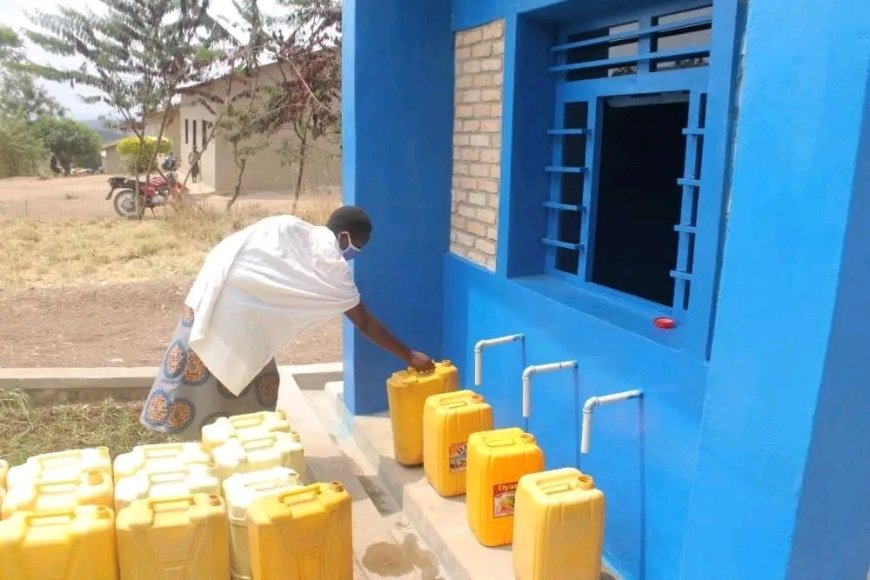
Water scarcity remains a major challenge for residents of Kigali, especially during the dry season when the available supply cannot meet the growing demand of the expanding city.

The Water and Sanitation Corporation (WASAC) has announced new measures to improve water rationing and ensure that the limited water available is shared more efficiently among residents.
WASAC’s Chief Executive Officer, Prof. Munyaneza Omar, confirmed that by August 2025 every household in Kigali will know exactly when to expect water, thanks to a streamlined rationing schedule.
He said: “The city has expanded significantly, with more houses and infrastructure increasing demand beyond our current supply capacity. However, with the new rationing plan, residents will have access to water every two days instead of waiting four or five days during the dry season, as has often been the case.”
Currently, Kigali needs at least 210,000 cubic meters of water daily, but only about 142,000 cubic meters are available, leaving a significant gap. This is worsened by old or damaged water pipelines that limit supply.
The Ministry of Infrastructure (MININFRA) has highlighted ongoing efforts to repair and expand water supply systems across the country. In the 2023/2024 fiscal year alone, about 35,000 meters of old pipelines were rehabilitated. By 2026, Rwanda expects to have built at least 665 kilometers of new water networks and repaired hundreds of kilometers of damaged rural supply lines to increase access to clean water.
Prof. Munyaneza urged residents to remain patient while these improvements are being implemented and encouraged communities to report damaged infrastructure to help speed up repairs.
WASAC remains confident that these measures will help reduce water shortages, improve hygiene standards and ease the burden on households especially during the dry season while long-term investments continue to strengthen Rwanda’s overall water supply system.