issa
KENYA: Record Fuel Price Surge Triggers Shortages, Raises Regional Economic Concerns

KENYA: Record Fuel Price Surge Triggers Shortages, Raises Regional Economic Concerns

Apr 16, 2026 - 10:13
 0

Kenya is currently experiencing an unprecedented surge in fuel prices, marking the highest levels ever recorded in the country’s history. The price of diesel has risen sharply by 40 Kenyan shillings per litre (approximately 452 Rwandan francs), a move that has sparked widespread concern among citizens, transport operators, and businesses alike.


The sudden increase has already begun to strain household budgets and operational costs, especially in sectors that heavily depend on fuel such as transportation, agriculture, and manufacturing. Public transport fares are expected to rise, while the cost of food and other essential commodities could follow suit due to increased distribution expenses.

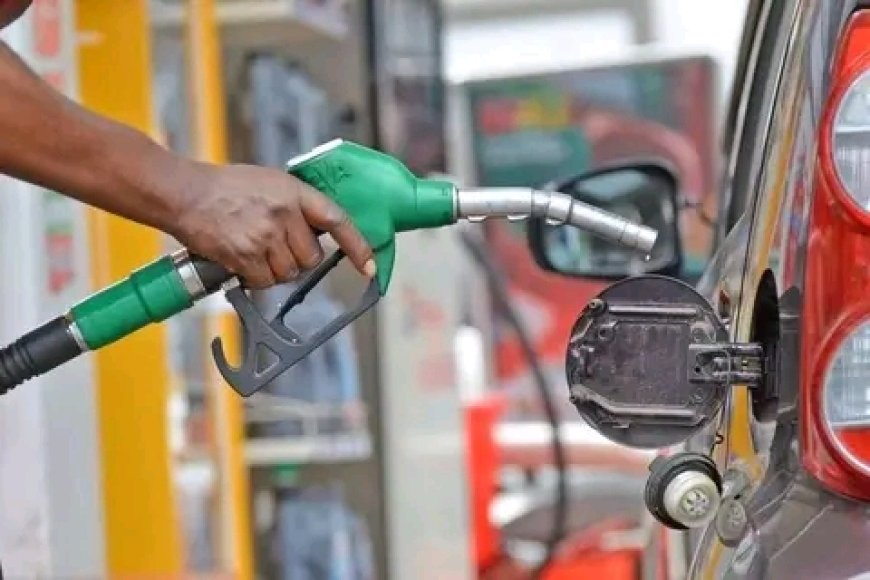
In addition to the price hike, several fuel stations across Kenya have reported shortages of petroleum products in recent days. Some stations have either run out of stock or are rationing fuel, forcing motorists to endure long queues and uncertainty. This has heightened fears of a potential supply crisis if the situation persists.

Experts attribute this sharp rise in fuel prices and emerging shortages to global factors, particularly the ongoing conflict in the Middle East. The instability in this oil-rich region has disrupted global supply chains, leading to increased crude oil prices on the international market. As countries like Kenya rely heavily on imported petroleum products, they are directly affected by such global shocks.

The impact is being felt beyond Kenya’s borders. Countries across East Africa, including Rwanda and Tanzania, are also witnessing rising fuel prices, indicating a regional trend. This interconnected economic pressure underscores the vulnerability of the region to global energy market fluctuations.

Economists warn that if the situation continues, it could slow down economic growth in the region. Higher fuel costs tend to increase inflation, reduce consumer purchasing power, and make doing business more expensive. Small-scale traders and low-income households are likely to be the hardest hit.

Governments in the region are now facing increasing pressure to intervene and cushion citizens from the rising costs. Possible measures include fuel subsidies, tax reductions, or strategic reserves management. However, such interventions come with fiscal challenges, as they may strain already tight national budgets.

As the situation unfolds, both consumers and policymakers remain watchful, hoping for stabilization in global oil markets and relief from the ongoing price pressures.


KENYA: Record Fuel Price Surge Triggers Shortages, Raises Regional Economic Concerns

Apr 16, 2026 - 10:13
Apr 16, 2026 - 12:03
 0
KENYA: Record Fuel Price Surge Triggers Shortages, Raises Regional Economic Concerns

Kenya is currently experiencing an unprecedented surge in fuel prices, marking the highest levels ever recorded in the country’s history. The price of diesel has risen sharply by 40 Kenyan shillings per litre (approximately 452 Rwandan francs), a move that has sparked widespread concern among citizens, transport operators, and businesses alike.


The sudden increase has already begun to strain household budgets and operational costs, especially in sectors that heavily depend on fuel such as transportation, agriculture, and manufacturing. Public transport fares are expected to rise, while the cost of food and other essential commodities could follow suit due to increased distribution expenses.

In addition to the price hike, several fuel stations across Kenya have reported shortages of petroleum products in recent days. Some stations have either run out of stock or are rationing fuel, forcing motorists to endure long queues and uncertainty. This has heightened fears of a potential supply crisis if the situation persists.

Experts attribute this sharp rise in fuel prices and emerging shortages to global factors, particularly the ongoing conflict in the Middle East. The instability in this oil-rich region has disrupted global supply chains, leading to increased crude oil prices on the international market. As countries like Kenya rely heavily on imported petroleum products, they are directly affected by such global shocks.

The impact is being felt beyond Kenya’s borders. Countries across East Africa, including Rwanda and Tanzania, are also witnessing rising fuel prices, indicating a regional trend. This interconnected economic pressure underscores the vulnerability of the region to global energy market fluctuations.

Economists warn that if the situation continues, it could slow down economic growth in the region. Higher fuel costs tend to increase inflation, reduce consumer purchasing power, and make doing business more expensive. Small-scale traders and low-income households are likely to be the hardest hit.

Governments in the region are now facing increasing pressure to intervene and cushion citizens from the rising costs. Possible measures include fuel subsidies, tax reductions, or strategic reserves management. However, such interventions come with fiscal challenges, as they may strain already tight national budgets.

As the situation unfolds, both consumers and policymakers remain watchful, hoping for stabilization in global oil markets and relief from the ongoing price pressures.