 Kinyarwanda
 English
 Swahili





























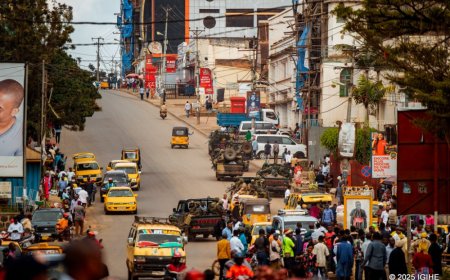






Ebola Case Confirmed in Bukavu as fears grow over spread in Eastern DR Congo

AFC/M23, the alliance controlling large parts of eastern Democratic Republic of Congo, announced on Thursday, May 21, 2026, that a 28-year-old Congolese man infected with Ebola has died in the city of Bukavu, deepening fears over the spread of the deadly virus in the conflict-affected region.

According to local authorities in the rebel-controlled area, the victim had travelled from Kisangani to Bukavu before developing Ebola symptoms. Medical teams later confirmed that he had contracted the Bundibugyo strain of the Ebola virus, a rare variant that currently has no approved vaccine or specific treatment.
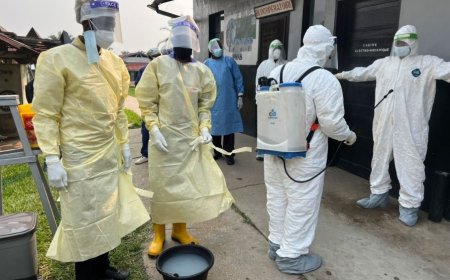
Officials said the patient was isolated after showing symptoms, but later died while receiving treatment. Health workers conducted a secure burial under strict sanitary measures to prevent additional infections.
This is the second confirmed Ebola case reported in territories controlled by AFC/M23 within days. On May 17, another Ebola patient was identified in Goma, North Kivu Province. That patient, a woman believed to have been exposed to an infected person from Bunia, is still receiving treatment under close medical supervision.
The emergence of Ebola cases in both Bukavu and Goma has alarmed health experts because the two cities are major population centers with significant movement of people across borders into Rwanda, Burundi, and Uganda. Medical authorities fear that continued travel and instability in eastern Congo could accelerate transmission if the outbreak is not rapidly contained.
The World Health Organization has warned that the outbreak may have circulated undetected for several weeks before the first cases were confirmed. Health experts say the Bundibugyo strain presents additional challenges because available Ebola vaccines were mainly developed for the more common Zaire strain.
According to international health agencies, hundreds of suspected Ebola cases have already been recorded in eastern DR Congo, particularly in Ituri and North Kivu provinces. Dozens of deaths linked to the outbreak have also been reported.
Response efforts are being complicated by ongoing insecurity in the region, where clashes between armed groups and Congolese government forces continue to disrupt healthcare operations. Aid organizations say insecurity has made it difficult for medical workers to access some communities, trace contacts, and carry out public awareness campaigns.
Authorities in neighboring countries have increased health screening measures at border crossings and airports to prevent the virus from spreading further across the region. Public health officials continue to urge residents to avoid contact with infected individuals, report symptoms quickly, and cooperate with emergency health teams.
The latest Ebola cases have added to growing humanitarian concerns in eastern DR Congo, where millions of civilians are already facing displacement, violence, and limited access to healthcare services.