 Kinyarwanda
 English
 Swahili


















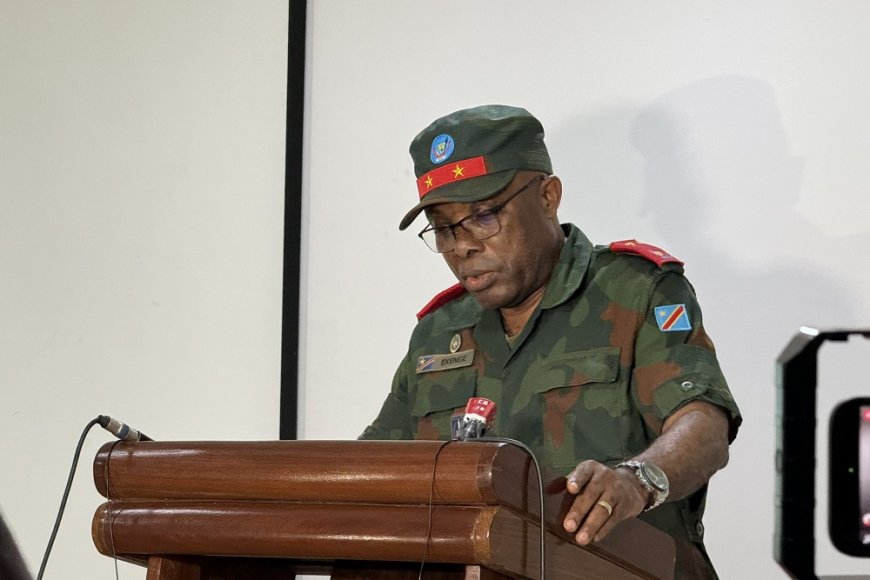
Alarm Grows Over FARDC Spokesperson’s Remarks on Tutsi Communities

Growing concern has emerged over official rhetoric in the Democratic Republic of Congo (DRC) following remarks made by senior government and military figures that critics say risk inflaming ethnic tensions, particularly against Congolese Tutsi and Banyamulenge communities.

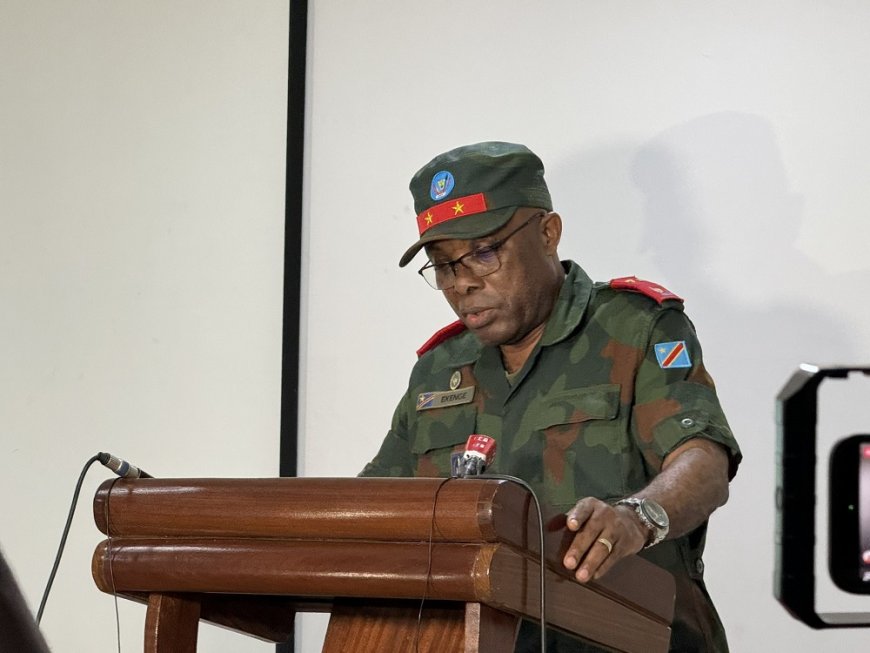
On December 27, 2025, the national broadcaster RTNC hosted Major General Sylvain Ekenge, spokesperson of the Armed Forces of the DRC (FARDC), for an interview intended to address the security situation in the eastern part of the country. However, the discussion went beyond military matters and included statements that observers describe as deeply troubling.
During the interview, Gen. Ekenge portrayed Tutsi communities as deceitful and warned Congolese men against marrying Tutsi women, suggesting such unions could be used to infiltrate families and communities. He further implied that demographic dominance was part of an alleged strategy, language that analysts say reinforces harmful stereotypes and collective suspicion against an entire ethnic group.
Human rights observers note that such remarks amount to the dehumanization of a community and echo patterns of rhetoric that, historically, have preceded serious human rights violations. Warning against intermarriage and framing an ethnic group as inherently untrustworthy are widely recognized markers of dangerous incitement.
These statements align with broader narratives advanced by senior officials, including references to what has been described as “Poison Rwandais,” a concept that critics argue has increasingly been fused with ethnic hostility to depict Congolese Tutsi and Banyamulenge as internal enemies rather than citizens with equal rights.
Despite repeated assurances from the Congolese government that no ethnic group is being targeted, public statements by high-ranking officials continue to raise alarms. Analysts argue that when such rhetoric is aired on state media and voiced by official spokespersons, it risks legitimizing discrimination and encouraging hostility at the community level.
Experts emphasize that genocide and mass violence do not begin with weapons, but with words. The normalization of ethnic suspicion and exclusionary narratives often serves as an early warning sign of deeper crises to come.
Regional observers and human rights advocates are calling on the Government of the DRC to clearly distance itself from such statements, reaffirm its commitment to protecting all communities, and ensure accountability for rhetoric that undermines social cohesion.
They also urge regional and international bodies, including the African Union and the United Nations, to closely monitor the situation and address any incitement to ethnic violence.
As tensions persist in eastern DRC, many warn that responsible leadership and careful language are essential to prevent further instability and to safeguard the lives and dignity of all Congolese citizens, regardless of ethnicity.