 Kinyarwanda
 English
 Swahili
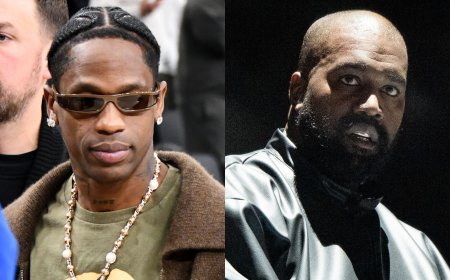









Umushyikirano 2026: President Kagame Addresses Rwanda–DRC Relations

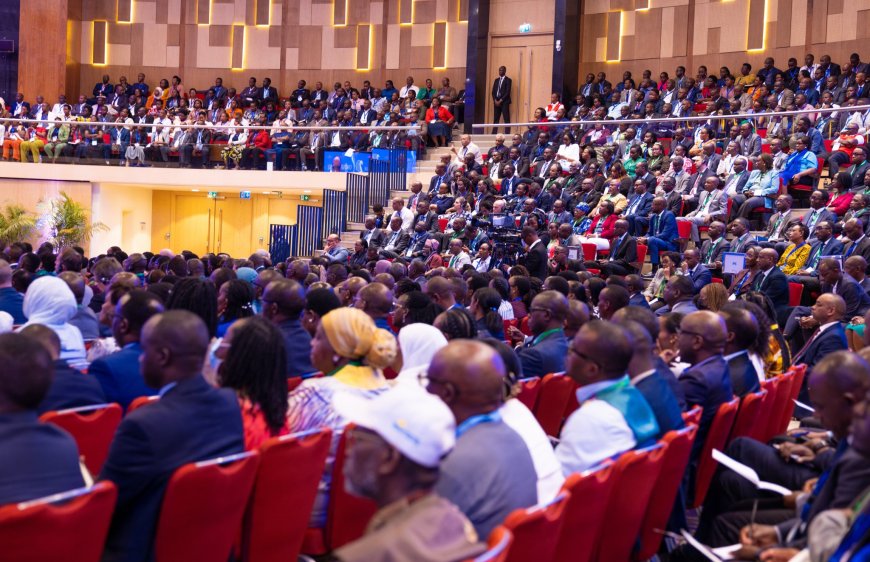
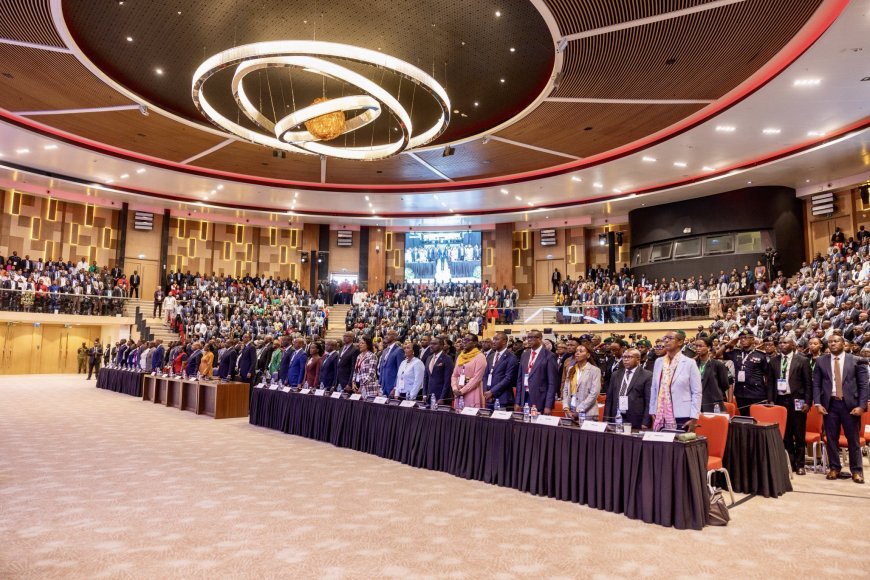
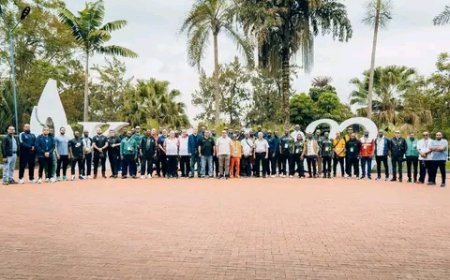
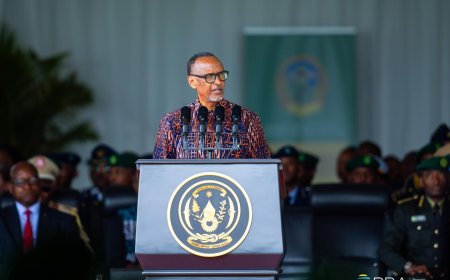
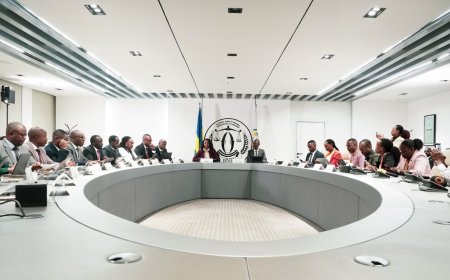
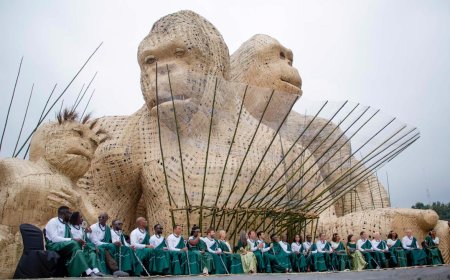
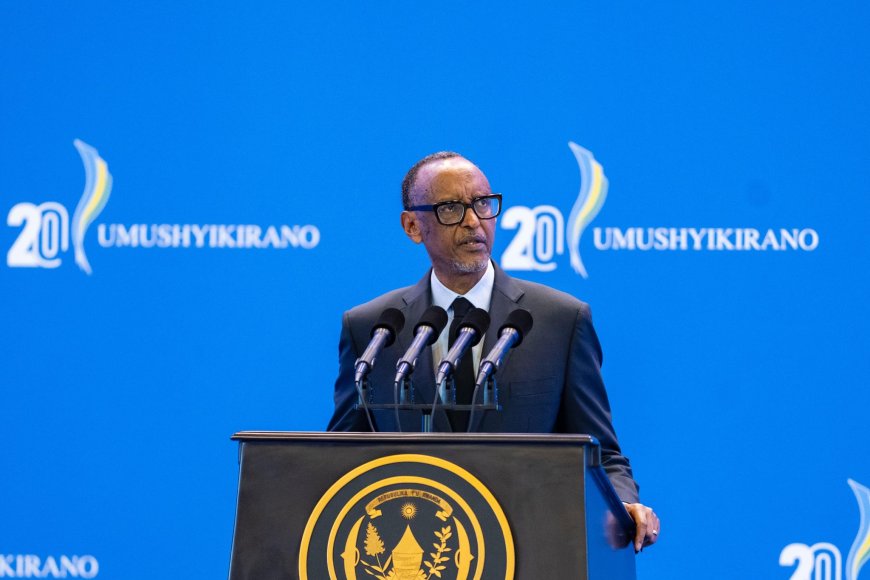
On February 5, 2026, President Paul Kagame officially opened the National Dialogue Council (Umushyikirano), a two-day forum running from February 5 to 6, which brings together national leaders and citizens to discuss key issues affecting Rwanda and the country’s future direction.

In his opening address, President Kagame spoke at length about Rwanda’s relations with neighboring countries, with a particular focus on the Democratic Republic of Congo (DRC), stressing that Rwanda will not accept intimidation, false accusations, or blackmail.
He emphasized that Rwanda’s existence and sovereignty are not defined by the power or wealth of others.
“We were not created by anyone. No matter how powerful you are, no matter how rich you are, that does not concern us,” President Kagame said.
President Kagame also reflected on the historical relationship between Rwanda, Burundi, and the DRC, noting that Rwandans and Burundians were once regarded as “twin nations.” However, he observed that some leaders have chosen to align themselves with Congo through politics rooted in hatred and exclusion.
“That does not bother me. But this so-called brotherhood today is built on bad politics politics of hatred and rejection of others,” he stated.
Addressing the ongoing conflict in eastern DRC, President Kagame firmly rejected claims that Rwanda started or is responsible for the war, saying its origins are well known.
“This war in the DRC was not started by Rwanda. It came from elsewhere. What they did among themselves is not my concern,” he said.
The President identified the FDLR terrorist group and its genocidal ideology as Rwanda’s central security concern, noting that these forces continue to operate freely in eastern Congo while threatening Rwanda and spreading false accusations against it. He recalled that Interahamwe militias responsible for the 1994 Genocide against the Tutsi were trained, armed, and integrated into the Congolese national army.
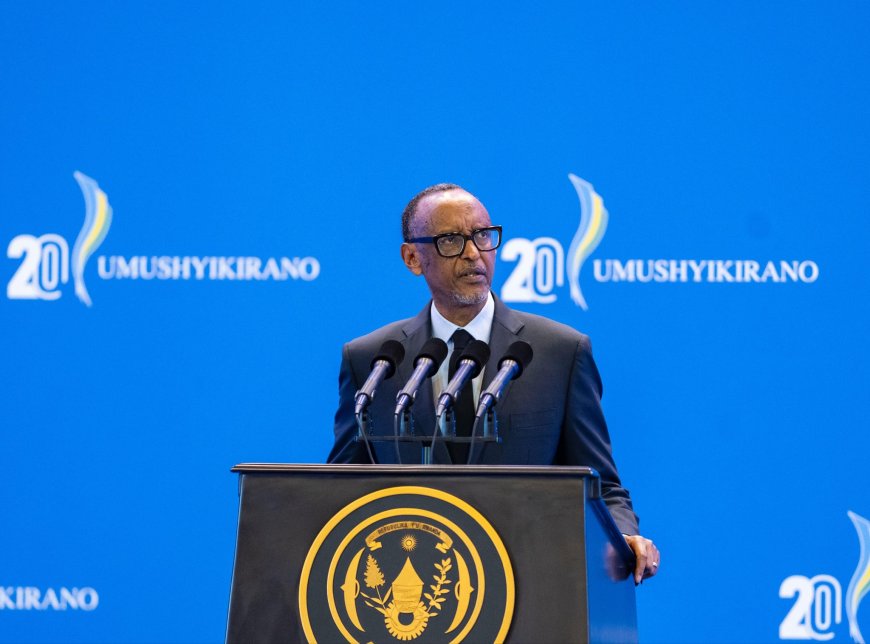
President Kagame criticized accusations that Rwanda is present in Congo to exploit natural resources or expand its borders, saying such claims deliberately ignore the real and well-documented security threat Rwanda has raised for decades.
“They deliberately walk past the real issue the Interahamwe in Congo an issue they know very well and in which they themselves are involved,” he said.
He also questioned the role of the United Nations and MONUSCO, which have been deployed in the DRC for many years, noting that their mandate and effectiveness in resolving the conflict remain unclear. According to the President, once the issue reaches the international arena, responsibility is often shifted from one actor to another.
President Kagame dismissed arguments suggesting that perpetrators of the Genocide against the Tutsi are now too old to pose a threat, stressing that age does not diminish the danger of genocidal ideology when it is passed on to younger generations.
In closing, President Kagame made it clear that Rwanda will not tolerate a cycle of provocation, blame, and intimidation.
“You cannot create problems for me, then blame me for them, and afterwards come and start threatening me,” he said.
The National Dialogue Council continues over two days, with in-depth discussions expected on governance, national security, regional relations, and Rwanda’s development agenda.