 Kinyarwanda
 English
 Swahili




































Ten years since the death of "The Greatest" Muhammad Ali

Ten years ago, on June 3, 2016, the world mourned the death of boxing legend Muhammad Ali who passed away at the age of 74.

Born Cassius Marcellus Clay Jr. in 1942, Ali began boxing at the age of 12 and later won a gold medal at the 1960 Olympic Games in Rome before he turned proffesional.
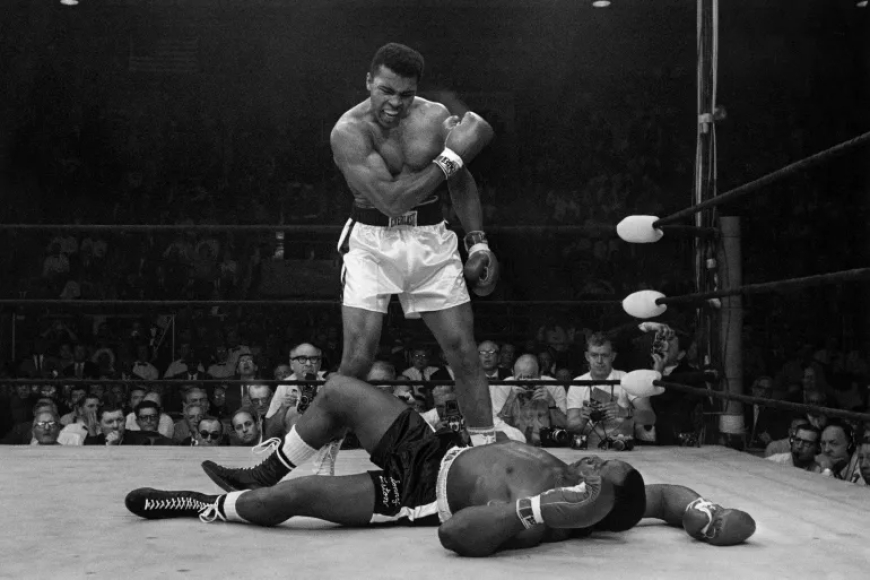
Inside ring, Ali revolutionized boxing, with his speed, footwork and charisma that made him an undefeatable fighter. He became the world heavyweight champion for the first time in 1964 after defeating Sony Liston and would go on to win the undisputed heavyweight title three times.
During his proffesional career spanning more than two decades, Ali won 56 of his 61 fights, with 37 victories coming by knockout.
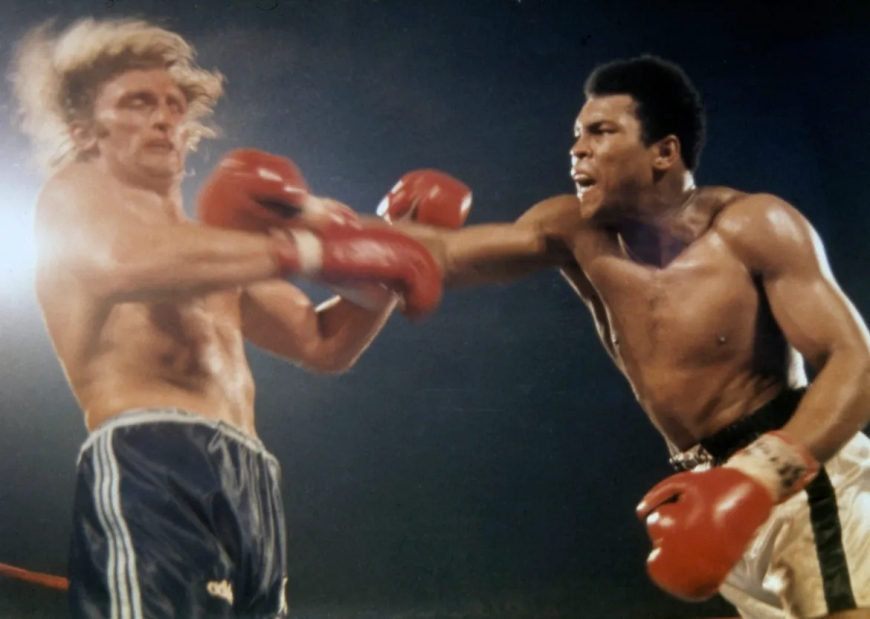
However Ali's legacy extends far beyond boxing. In 1964, He joined the Nation of Islam and changed his name from Cassius Clay to Muhammad Ali. Three years later, he refused to be drafted into the U.S. military during the Vietnam War claiming his beliefs and opposition to the conflict.
The final years of his boxing career were difficult. After winning heavyweight championship again, Ali continued boxing well into his late 30s. His losses against Larry Holmes in 1980 and Trevor Berbick in 1981 signaled the end of his career.
In 1984, Ali was diagnosed with Parkinson's disease, a disorder that affected his speech and movement. He made a memorable public appearance at the 1996 Olympic Games in Atlanta, where he lit the Olympic flame before a worldwide audience.
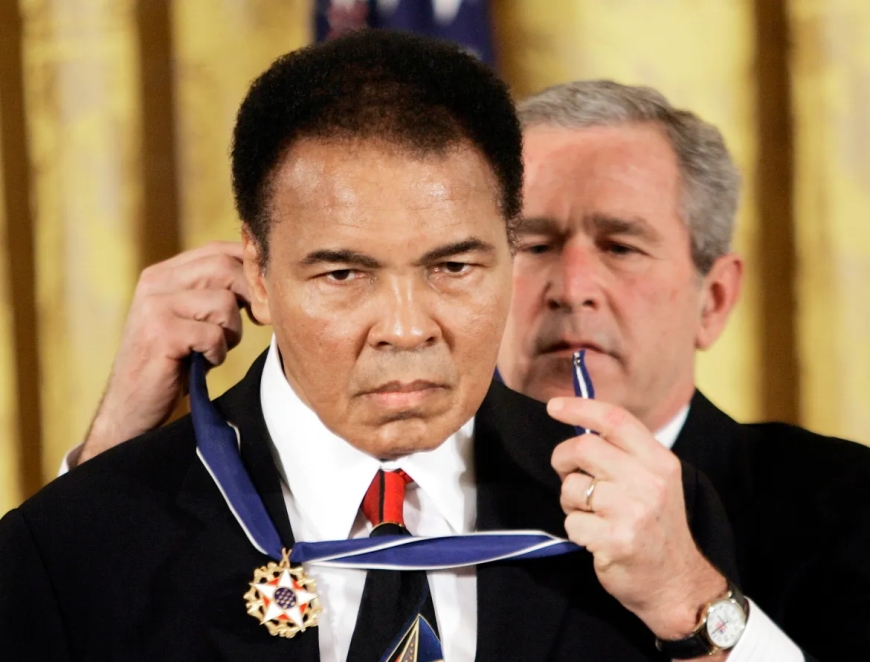
Muhammad Ali died on June 3, 2016 following respiratory compications associated with Parkinson's disease. World leaders, athletes and millions of fans sent heartfelt tributes honoring his legacy in and out of the ring.
A decade after his death, Ali's influence remains untouchable. He was a champion, activist and a cultural icon whose impact reached far beyond the ropes of a boxing ring.