 Kinyarwanda
 English
 Swahili




























SABA SABA 2025: Kenya's Government Locks Down Nairobi as Citizens Declare a Silent Victory

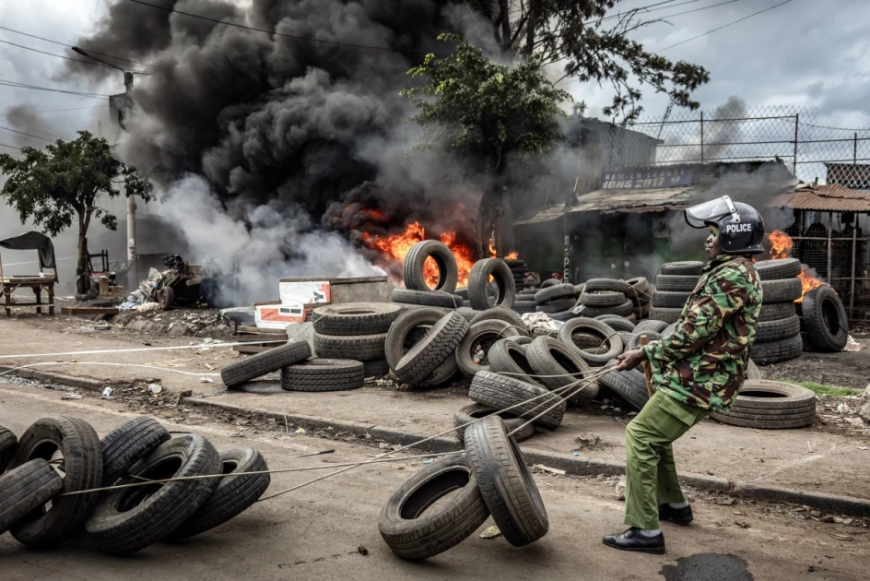
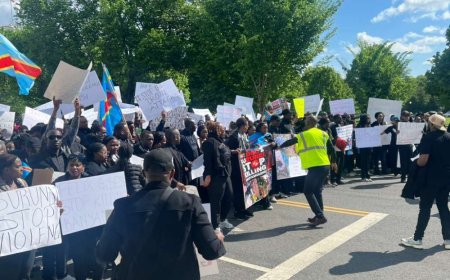
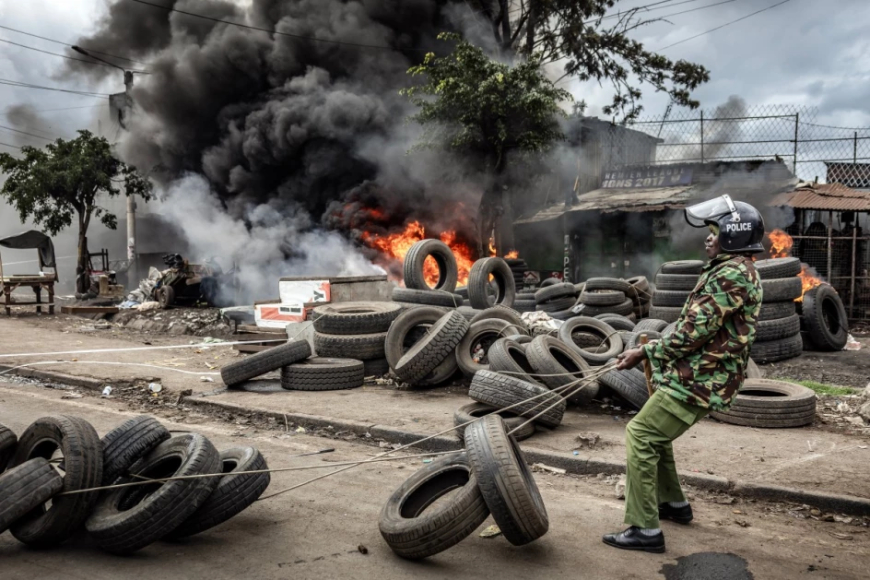
On Monday, July 7, 2025, the streets of Nairobi resembled scenes from a post-apocalyptic film. Major roads were sealed off, all entry points to the city barricaded, shops shuttered, and armed police units patrolled empty avenues. What was expected to be a day of large-scale anti-government protests turned into a historic standoff with the government effectively shutting down the capital to prevent a protest that never came.

Yet, across the country, citizens took to social media declaring a peaceful win over the state. Many described it as a day when the government protested against itself.
Saba Saba, Swahili for "Seven Seven," marks July 7, 1990 the day mass demonstrations erupted in Kenya demanding multi party democracy. The protests, led by politicians like Kenneth Matiba and Charles Rubia, pushed the Moi regime to amend the constitution and allow multi-party politics the following year.
Now observed annually, Saba Saba has become a symbol of civic resistance and a reminder of the power of the people. In 2025, its memory is more alive than ever.
By 5:00 a.m. Monday morning, the government had deployed hundreds of heavily armed officers to block access into the Central Business District (CBD). Key roads including Waiyaki Way, Roysambu, Mlolongo, Ruaraka, Kitengela, and Ngong were barricaded. Travelers were turned back, cars were diverted, and Nairobi was essentially placed on lockdown.
Major roads within the CBD Tom Mboya Street, Kenyatta Avenue, Biashara Street, and Luthuli Avenue were completely deserted. Only police vans, ambulances, and press vehicles were allowed entry. Businesses remained closed. Offices were empty. Daily life in the capital came to a dramatic halt.
Though protesters never took to the streets, citizens declared victory online. With no teargas, no looting, and no visible unrest, they argued the government had done the protesters’ job for them.
On X (formerly Twitter), one user wrote:
"To stop protestors from closing roads and hurting business, the government closed roads and killed business. Genius."
Another remarked:
“Congratulations, Mr. President you just protested against yourself.”
Activist Hanifa Adan sarcastically questioned:
“Why are the police protesting and blocking roads everywhere? Were they sent by (Deputy President) Gachagua?”
Eric Gachoka wrote:
“They said it’s a normal workday, but no one can get into town. Gen-Zs have already won. The government is eating itself.”
Many users praised this as a form of peaceful civil disobedience, where the government ended up demonstrating fear, not strength.
The United Nations Human Rights Office expressed concern over police overreach and the stifling of peaceful protest, urging the government to respect fundamental freedoms.
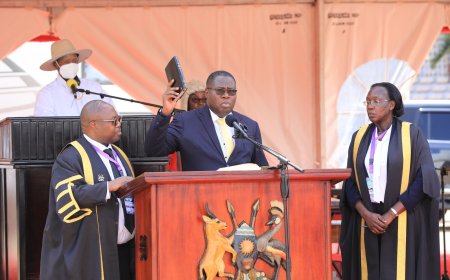
Chief Justice Martha Koome advised police to distinguish between peaceful protesters and criminal infiltrators, and not to resort to arbitrary restrictions or intimidation.
Despite the total lockdown, there were no reports of violence, looting, or arrests. Nairobi was quiet, but not in submission in silent resistance. The streets may have been empty, but the message from citizens echoed loudly across the country and online:
“We don’t have to march to win.”
Saba Saba 2025 may go down in history as the day when the people won a protest without protesting.