 Kinyarwanda
 English
 Swahili

























Rwanda Reaches 85% Electricity Access, Government Announces Tariff Review

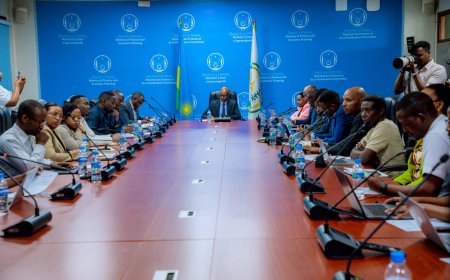
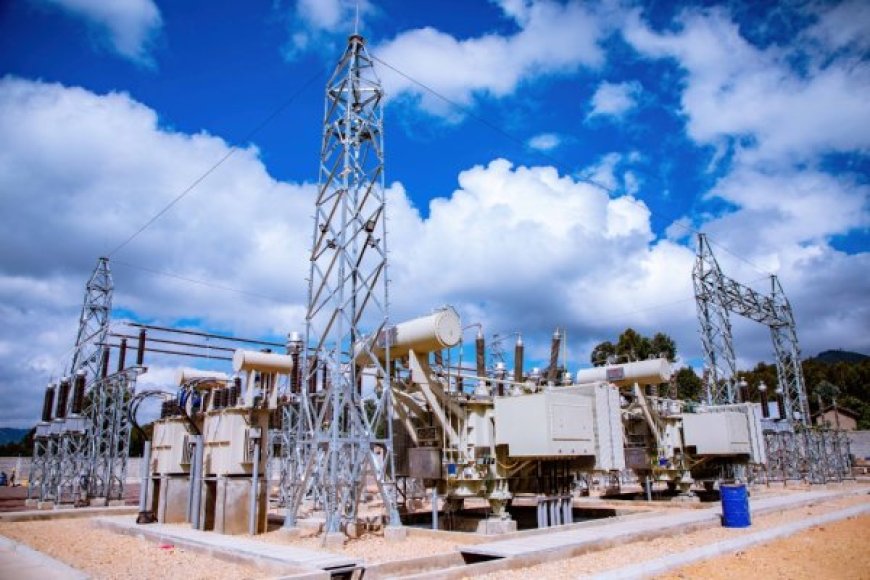
On Monday, September 15, 2025, the Cabinet meeting chaired by President Paul Kagame confirmed that 85% of households in Rwanda are now connected to electricity, up from less than 2% in the year 2000.

This milestone reflects the country’s significant progress in expanding energy access as part of its broader development agenda.
The Cabinet highlighted the critical role electricity continues to play in improving livelihoods and driving infrastructure development. Officials noted that Rwanda is steadily advancing toward its goal of universal access to reliable and sustainable energy for all households and socio-economic facilities.
Recent data from the National Institute of Statistics of Rwanda (NISR) reinforced this progress. Findings from the seventh Integrated Household Living Conditions Survey, released in April 2025, show that electricity access doubled over seven years, rising from 34% in 2017 to 72% in 2024. In urban areas, access climbed from 76% to 88%, while rural access rose dramatically from 25% to 65%.
The government also announced that a review of electricity tariffs is underway. Current tariffs have remained unchanged since 2020, but officials said adjustments are needed to ensure long-term sustainability in the energy sector while maintaining affordability for citizens.
Under the current structure, households consuming up to 15 kilowatts per month pay 89 Rwf per kilowatt-hour; those using between 15 and 50 kilowatts pay 201 Rwf, while households exceeding 50 kilowatts pay 249 Rwf.
According to the Cabinet, the review process will balance the protection of consumers with the need to sustain investments in the energy sector, ensuring Rwanda continues its momentum toward full electrification.