 Kinyarwanda
 English
 Swahili
























Rwanda Commits to Preserving Archives of International Criminal Tribunals on Genocide

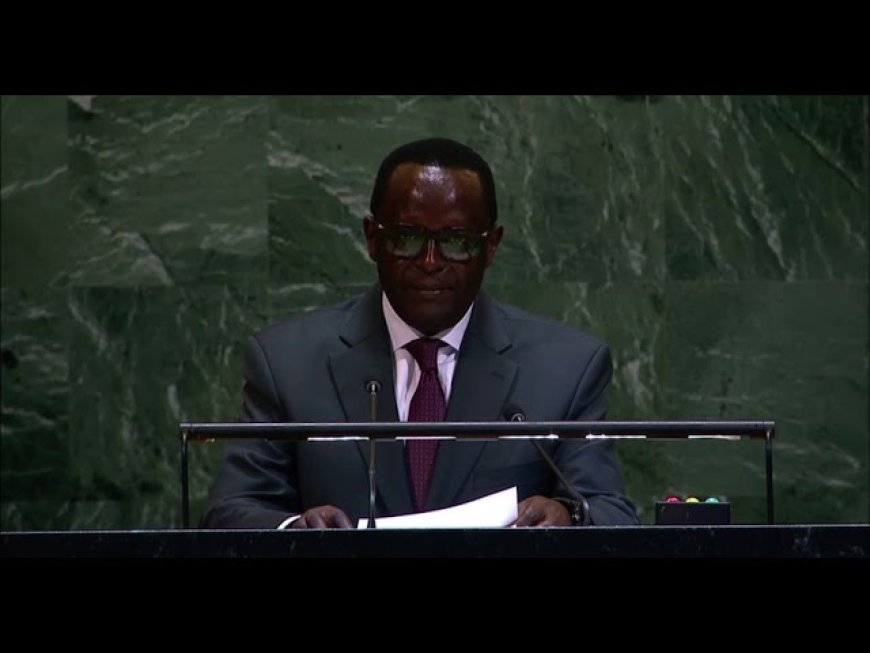
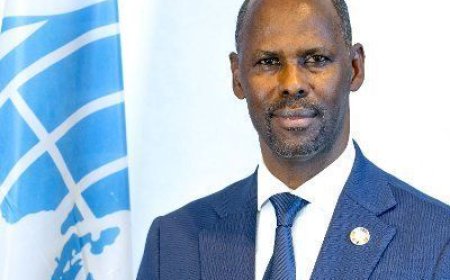
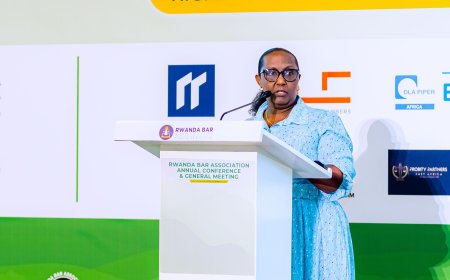
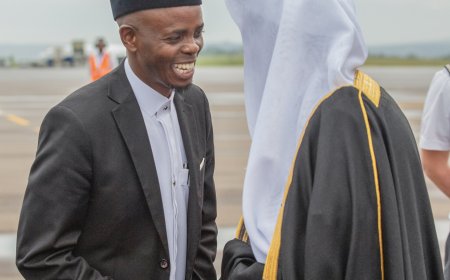
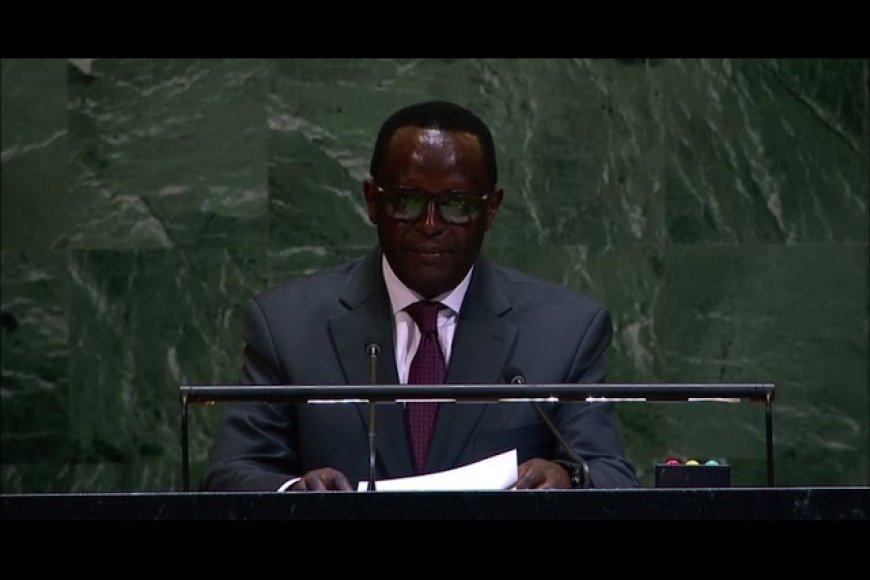
On 22 October 2025, Rwanda’s Ambassador and permanent representatives to the United Nations, Martin Ngoga, delivered a statement during the UN General Assembly debate on the International Residual Mechanism for Criminal Tribunals (IRMCT).

Highlighting Rwanda’s readiness to assume custodianship of the archives of the International Criminal Tribunal for Rwanda (ICTR) and the IRMCT, as a key step in preserving the historical record and truth of the 1994 genocide against the Tutsi.
Nearly three decades after the 1994 genocide, many individuals indicted for their involvement remain at large. Rwanda has transmitted over 1,400 indictments to various States requesting arrest and prosecution. Ambassador Ngoga noted persistent challenges, including delays and insufficient cooperation by some States in arresting, extraditing, or prosecuting those indicted.
“The Tribunal, and now the Mechanism, remain indispensable pillars in our collective effort to hold accountable those who planned and perpetrated the genocide and other serious violations of international humanitarian law,” Ambassador Ngoga said. “At the same time, we must speak candidly about the remaining gaps, the persistent challenges to cooperation, and the imperative to safeguard the legacy we have built.”
Rwanda is also deeply concerned about growing threats of genocide denial, distortion, and revisionism, which undermine reconciliation and seek to erase the truth painstakingly documented by international justice. The ICTR and IRMCT archives serve as living repositories of testimony, memory, and evidence, which Rwanda considers essential to sustaining accountability and preventing impunity.
Given their importance, Rwanda has informed the UN Secretary-General of its readiness to take custodianship of these archives. Drawing on its experience preserving Gacaca and other genocide-related archives, Rwanda asserts it has the institutional capacity to ensure their security, accessibility, and educational value for future generations.
“For Rwanda, the enforcement of sentences is not viewed as a burden, but as a continuation of our national journey towards justice, reconciliation, and the rule of law that began after 1994,” Ambassador Ngoga added.
Rwanda’s proposal comes as the IRMCT nears the completion of its mandate, reinforcing the country’s commitment to justice and the preservation of history.