issa
Plenary Session of the Chamber of Deputies Passes New Law on Accident Compensation

Plenary Session of the Chamber of Deputies Passes New Law on Accident Compensation

Sep 18, 2025 - 08:09
 0

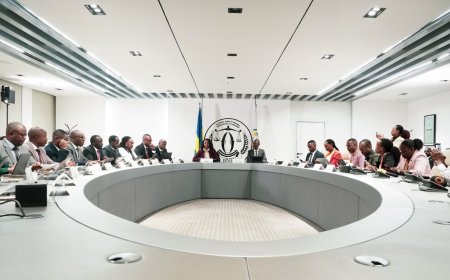
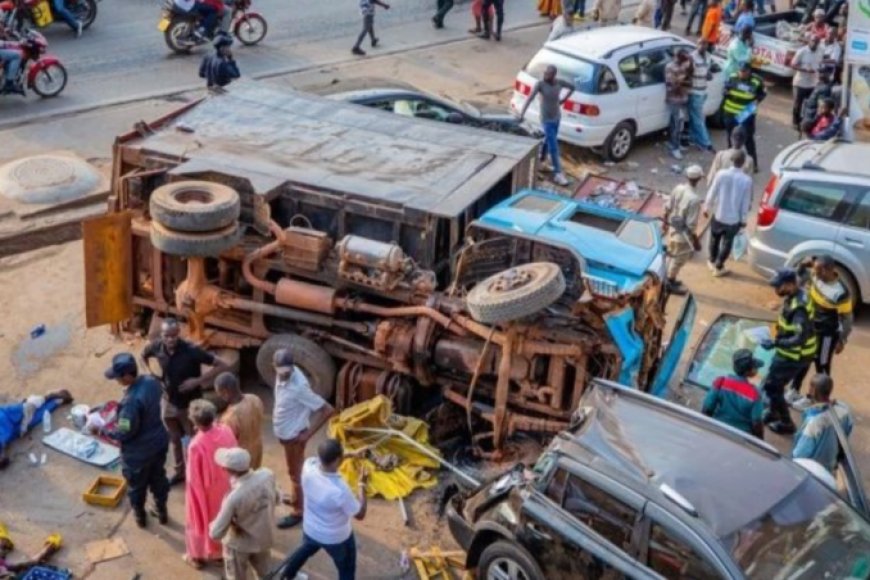
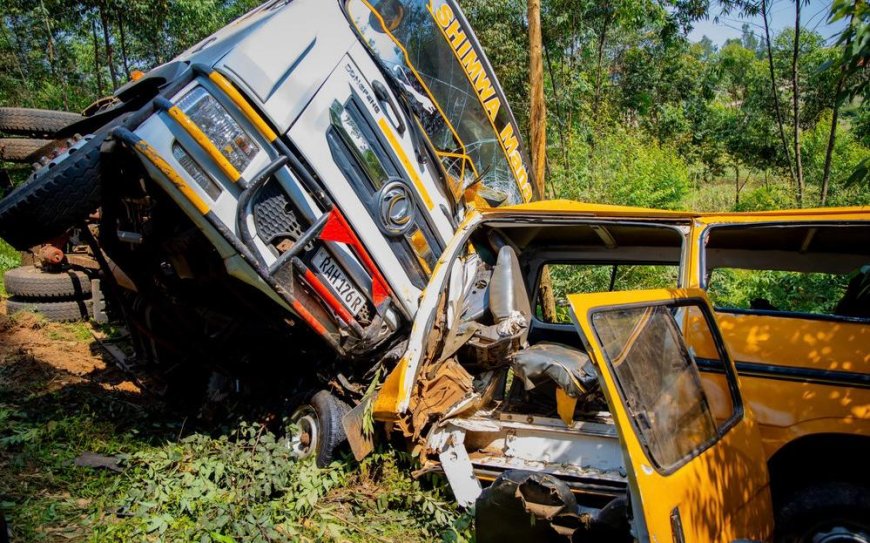
On September 17, 2025, The Chamber of Deputies, sitting in plenary session, has passed a draft law establishing a new framework for compensations arising from accidents, aimed at protecting victims and addressing gaps that existed in the previous insurance system.


The law consolidates two separate legislations into one comprehensive text, covering both insured and uninsured accidents.

The Chamber of Deputies has passed a new draft law on accident compensation, aiming to harmonize previous fragmented laws and strengthen protection for victims. The legislation covers medical injuries, disabilities, fatalities, and property damage, while establishing clear sources of funding for compensation.

During the debate, MP Mukarusagara asked whether reimbursement of medical expenses would strictly require Electronic Billing Machine (EBM) receipts or whether mutual agreements could apply.

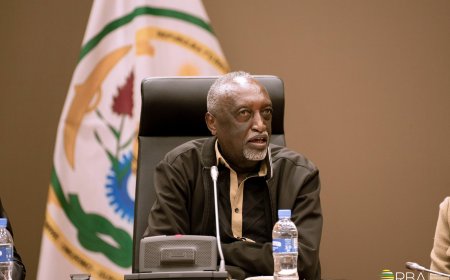
Commission Chairperson Hon. Tumukunde Hope Gasatura replied: “Medical treatment must be sought in health facilities approved by the State, and where EBM receipts are not available, reimbursements will be based on market prices through mutual understanding.”

The draft law outlines categories of compensation arising from accidents, including:

  • Compensation for medical treatment, purchase of drugs, prosthetics, travel expenses, or retraining to regain professional skills.
  • Compensation for temporary or permanent disability, including payments for lost income, pain and suffering, loss of employment opportunities, and reduced earning capacity.
  • Compensation to beneficiaries of a deceased victim, including funeral expenses and loss of financial support.
  • Compensation for property damage, based on the assessed value of what was destroyed or lost.

MP Nsangabandi raised another concern, asking: “How will compensation be handled when someone has an accident with a vehicle that is under too risk insurance?”

Hon. Tumukunde clarified: “The law distinguishes between insured and uninsured accidents. For insured cases, compensation will be paid by the insurer concerned, while uninsured cases will be covered by the designated compensation fund.”

The law provides for compensation in cases of injury, permanent or temporary disability, loss of life, and damage to property. Victims or their dependents will be entitled to payments covering medical care, drugs, prosthetics, rehabilitation, funeral expenses, lost income, or loss of employment opportunities.

 Property owners whose assets are damaged will be reimbursed based on the value of the loss, with payments supported by official invoices or, where unavailable, agreed upon according to prevailing market rates.

Funding for accident compensation will come from 10% of compulsory motor vehicle liability insurance contributions and 5% of annual revenues from tourism activities conducted in protected areas.

The law also sets deadlines for reporting accidents: two years for vehicle accidents and two months for those involving wild animals. Failure to report within these timelines leads to forfeiture of compensation rights.

Lawmakers emphasized that the new legislation will strengthen protection for citizens affected by accidents, improve the efficiency of insurance operations, and close loopholes that previously exposed insurers to losses while delaying payments to victims.

Plenary Session of the Chamber of Deputies Passes New Law on Accident Compensation

Sep 18, 2025 - 08:09
Sep 18, 2025 - 08:17
 0
Plenary Session of the Chamber of Deputies Passes New Law on Accident Compensation

On September 17, 2025, The Chamber of Deputies, sitting in plenary session, has passed a draft law establishing a new framework for compensations arising from accidents, aimed at protecting victims and addressing gaps that existed in the previous insurance system.


The law consolidates two separate legislations into one comprehensive text, covering both insured and uninsured accidents.

The Chamber of Deputies has passed a new draft law on accident compensation, aiming to harmonize previous fragmented laws and strengthen protection for victims. The legislation covers medical injuries, disabilities, fatalities, and property damage, while establishing clear sources of funding for compensation.

During the debate, MP Mukarusagara asked whether reimbursement of medical expenses would strictly require Electronic Billing Machine (EBM) receipts or whether mutual agreements could apply.

Commission Chairperson Hon. Tumukunde Hope Gasatura replied: “Medical treatment must be sought in health facilities approved by the State, and where EBM receipts are not available, reimbursements will be based on market prices through mutual understanding.”

The draft law outlines categories of compensation arising from accidents, including:

  • Compensation for medical treatment, purchase of drugs, prosthetics, travel expenses, or retraining to regain professional skills.
  • Compensation for temporary or permanent disability, including payments for lost income, pain and suffering, loss of employment opportunities, and reduced earning capacity.
  • Compensation to beneficiaries of a deceased victim, including funeral expenses and loss of financial support.
  • Compensation for property damage, based on the assessed value of what was destroyed or lost.

MP Nsangabandi raised another concern, asking: “How will compensation be handled when someone has an accident with a vehicle that is under too risk insurance?”

Hon. Tumukunde clarified: “The law distinguishes between insured and uninsured accidents. For insured cases, compensation will be paid by the insurer concerned, while uninsured cases will be covered by the designated compensation fund.”

The law provides for compensation in cases of injury, permanent or temporary disability, loss of life, and damage to property. Victims or their dependents will be entitled to payments covering medical care, drugs, prosthetics, rehabilitation, funeral expenses, lost income, or loss of employment opportunities.

 Property owners whose assets are damaged will be reimbursed based on the value of the loss, with payments supported by official invoices or, where unavailable, agreed upon according to prevailing market rates.

Funding for accident compensation will come from 10% of compulsory motor vehicle liability insurance contributions and 5% of annual revenues from tourism activities conducted in protected areas.

The law also sets deadlines for reporting accidents: two years for vehicle accidents and two months for those involving wild animals. Failure to report within these timelines leads to forfeiture of compensation rights.

Lawmakers emphasized that the new legislation will strengthen protection for citizens affected by accidents, improve the efficiency of insurance operations, and close loopholes that previously exposed insurers to losses while delaying payments to victims.