 Kinyarwanda
 English
 Swahili










































Over 600 Dead, Thousands Injured as Strong Earthquake Devastates Eastern Afghanistan

Afghanistan is reeling from one of its deadliest earthquakes in years after a magnitude 6 tremor struck the eastern provinces of Kunar and Nangarhar late Sunday, killing at least 622 people and injuring more than 1,500, according to the Taliban-run Ministry of Interior.

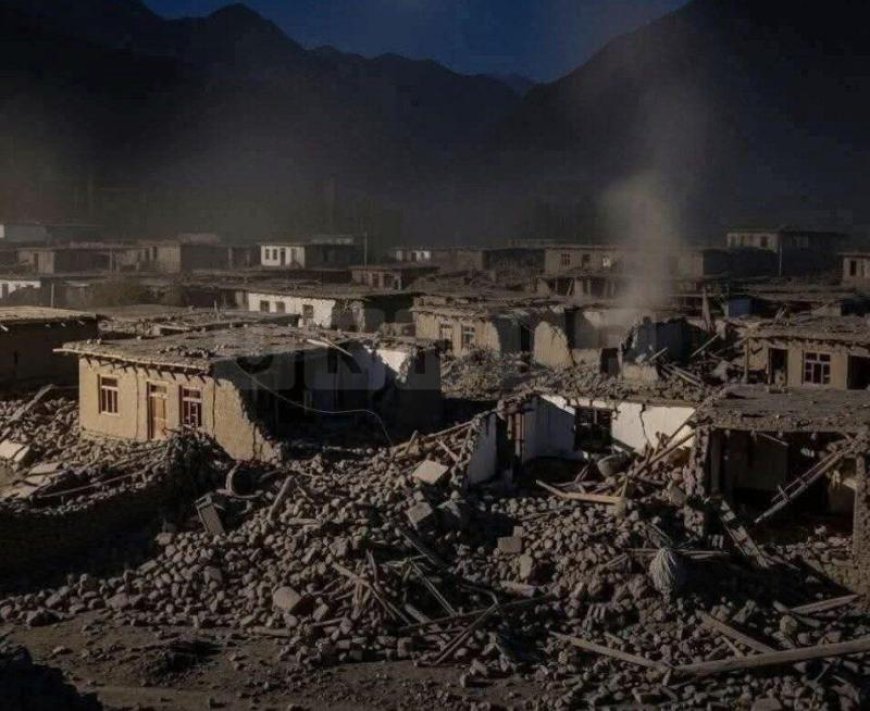
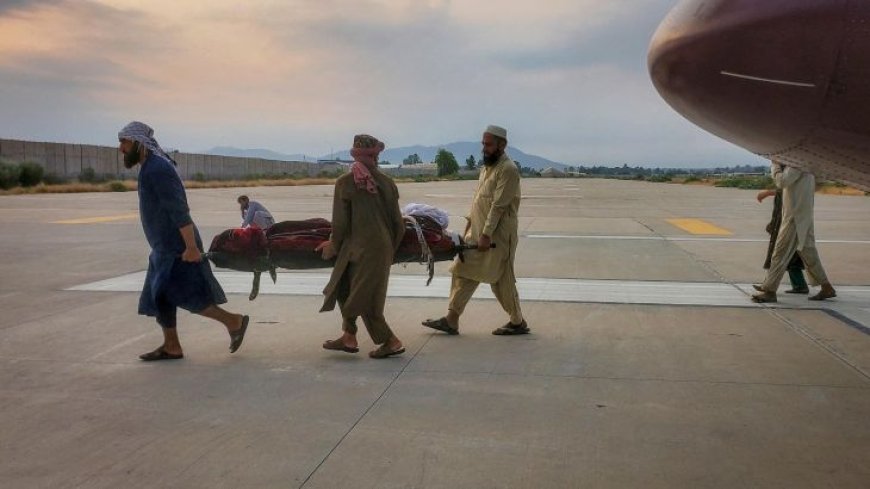
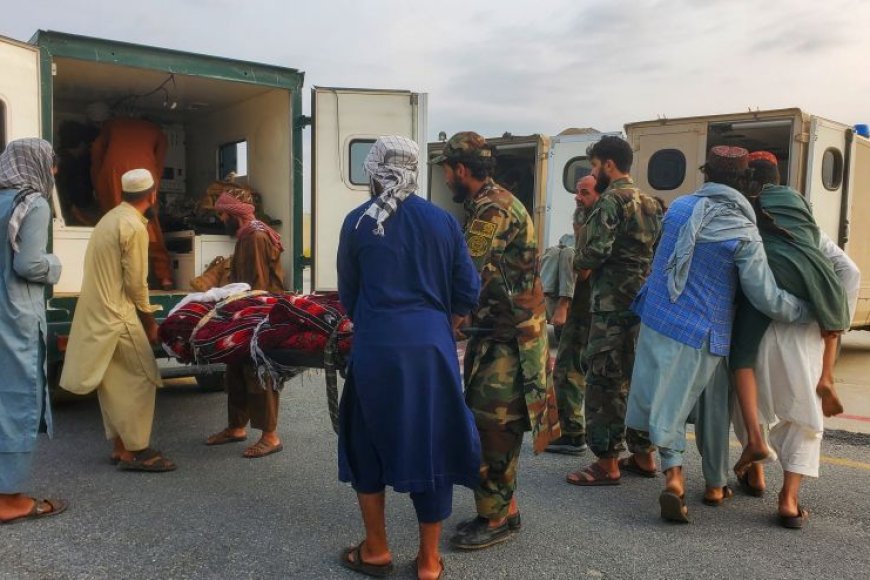
The quake, which struck at a shallow depth of about 8 to 10 kilometers, flattened entire villages in mountainous districts such as Nurgal, Watpur, Manogi and Chapadare. In many areas, houses built of mud and wood crumbled instantly, leaving families trapped beneath the rubble. Helicopters and ambulances ferried survivors to hospitals as soldiers and residents worked side by side in desperate rescue efforts.
“All our teams have been mobilised to accelerate assistance so that comprehensive and full support can be provided,” ministry spokesperson Abdul Maten Qanee told Reuters, citing urgent measures in food distribution, medical aid, and security.
Authorities reported that more than 610 of the confirmed deaths occurred in Kunar province alone, while at least a dozen people died in Nangarhar. In Laghman province, also affected by the tremor, scores were injured and dozens of homes destroyed. Rescuers fear the death toll will rise further as access to remote hamlets remains blocked by landslides triggered by the quake.
Aftershocks, including one measuring 5.2, shook the region hours later, spreading fresh panic among survivors and complicating rescue operations.
The disaster comes at a time when Afghanistan is facing a deepening humanitarian crisis. The country has been grappling with a sharp decline in foreign aid since the Taliban takeover, as well as the forced return of thousands of Afghan citizens from neighboring countries. Relief organizations warn that the earthquake will stretch already fragile resources to the breaking point.
The United Nations said it was “deeply saddened” by the tragedy and has begun mobilising emergency aid, including food, tents and medical supplies. The Afghan Red Crescent has also dispatched teams to the hardest-hit districts. Still, officials admit that international support remains limited, leaving many communities to rely on local solidarity and volunteers.
Afghanistan’s eastern highlands, lying along the Hindu Kush mountain range, sit on a major tectonic fault line where the Indian and Eurasian plates collide. The region has a long history of devastating earthquakes. In June 2022, a magnitude 6.1 quake killed over 1,000 people in Paktika and Khost provinces.
Rescuers are racing to locate survivors before hopes fade. Health officials in Kabul said dozens of critically injured patients had been airlifted for treatment, but many rural clinics remain overwhelmed. Local mosques have opened their doors to shelter displaced families, while aid groups warn of looming shortages of food, clean water, and medicine.
As night falls again over the devastated villages, the full scale of the tragedy is still unfolding. Afghanistan now faces not only the immediate aftermath of destruction, but also the longer struggle to rebuild lives and communities already battered by years of war, poverty, and recurring disasters.