 Kinyarwanda
 English
 Swahili








































New Report Highlights Rwanda’s Continued Progress in Combating Corruption

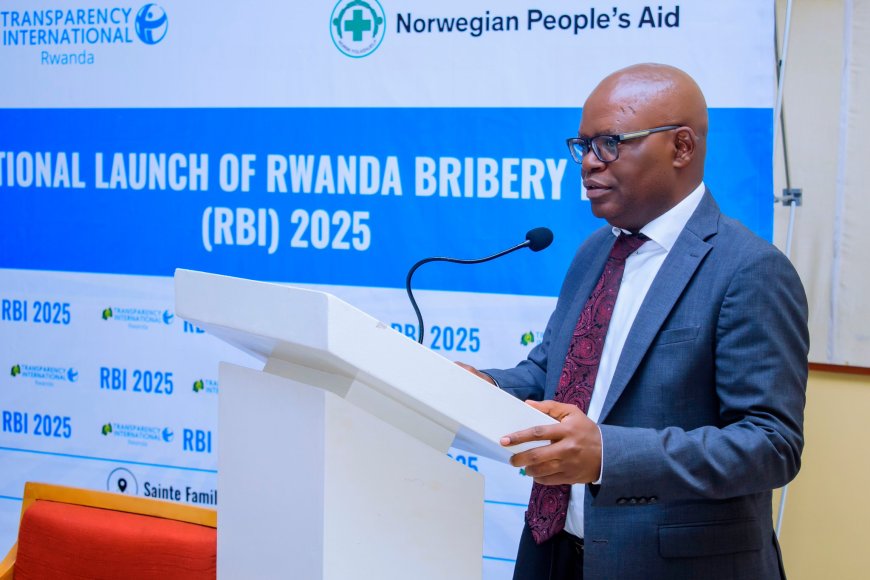
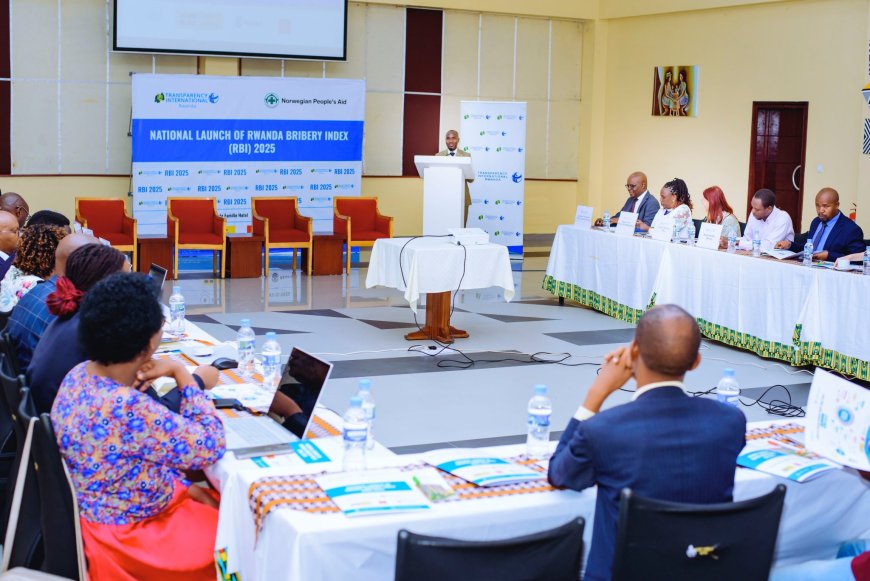
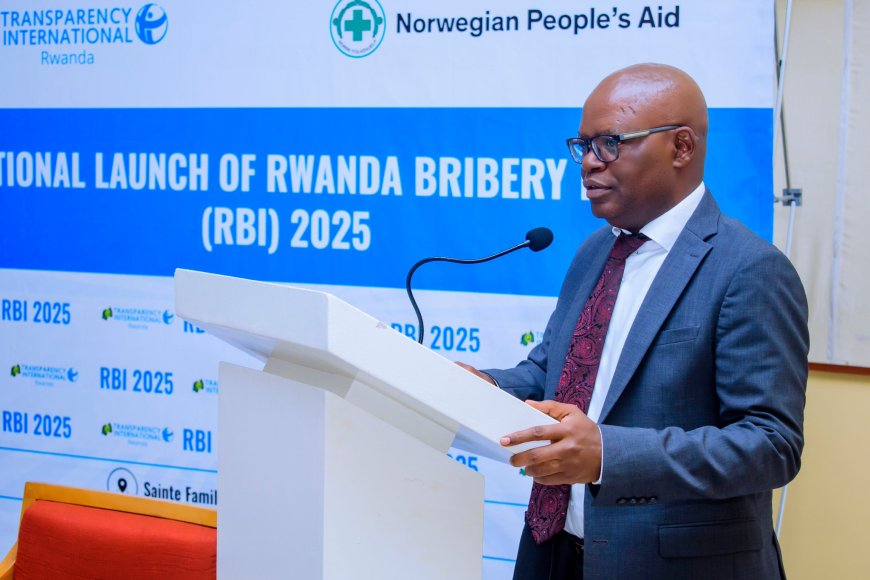
The report released by Transparency International Rwanda on December 3, 2025, shows that Rwanda continues to make significant progress in combating corruption, even as new forms of bribery emerge in certain sectors.

The Rwanda Bribery Index (RBI) 2025 reveals that fewer citizens encountered corruption this year, and public confidence in anti-corruption efforts continues to rise.
According to the findings, 14.6% of respondents reported experiencing or being asked for a bribe in 2025, down from 18.5% in 2024. The proportion of citizens who believe corruption in the country is generally “low” increased to 64.6%, compared to 59.2% the previous year. Confidence in government strategies remains strong as 83.2% of respondents said the fight against corruption is “effective,” up from 80.5%.
Despite the progress, the report highlights a worrying development: the average amount of money paid as a bribe rose sharply. In 2025, the typical bribe reached Rwf 269,148, a dramatic increase from Rwf 65,543 in 2024. This indicates that although bribery is less frequent, it has become more financially burdensome for those who encounter it.
The sectors most affected by corruption include the private sector (8%), local government services (4.3%), and Rwanda Energy Group (3.7%). Services such as acquiring construction permits (22.9%), obtaining driving licences (16.6%), and securing land documents (13.6%) were reported as having the highest likelihood of bribery requests.
The report also raises concern over underreporting, with 90.5% of those who encountered bribery failing to report it to the authorities. This gap limits the country’s ability to investigate cases and address remaining hotspots.
Overall, the 2025 Rwanda Bribery Index underscores Rwanda’s continued leadership in transparency and accountability. It also calls for stronger reporting mechanisms, enhanced protection for whistleblowers, and targeted interventions in sectors where high-value bribery persists.