 Kinyarwanda
 English
 Swahili





















Nepal in Chaos as Protests Leave 31 Dead, Army Steps In

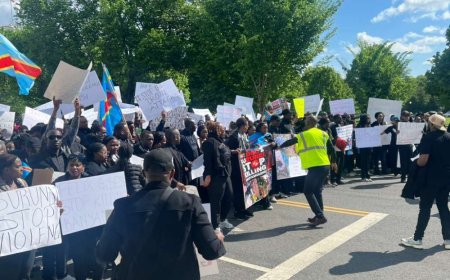
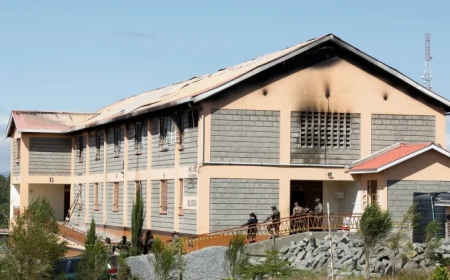
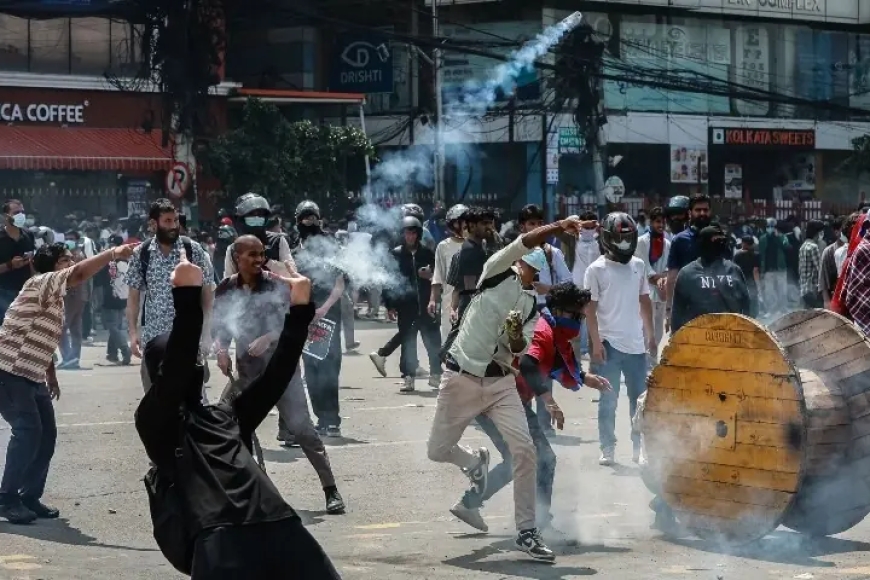
Violent protests in Nepal have left at least 31 people dead and more than 1,000 injured, as demonstrators torched Parliament, the Supreme Court, and the homes of five former prime ministers on Tuesday.

The unrest erupted following widespread anger over government corruption and the recent ban on 26 major social media platforms.
The country descended into near-anarchy as the prime minister fled, other top officials resigned, and the president was nowhere to be seen. That night, the chief of the Nepali Army appeared in a video urging calm, while soldiers took control of the streets at 10 p.m., gradually calming the violence.
Army officers also engaged with leaders of the self-declared Gen Z protest movement to negotiate a path toward peace. Harka Sampang, a social activist and mayor from eastern Nepal, said he traveled to Kathmandu “to talk to the army chief,” adding that the move was prompted by thousands of citizens demanding action.
Protest leaders reportedly proposed Sushila Karki, a former chief justice, as the head of an interim government.
Analysts say the power vacuum in Nepal is likely to be resolved through a compromise between the youth-led movement and the military, echoing a similar arrangement in Bangladesh last year, where a student-led protest movement and the army installed Nobel laureate Muhammad Yunus as interim leader.
Meanwhile, authorities are warning citizens to remain indoors, as over 13,500 prisoners escaped from jails nationwide during the unrest. The Nepali Army, widely respected but untested in a governance role, now faces the challenge of restoring order and navigating a delicate political transition.