issa
Market Prices in Rwanda Increase by 7.1% in August 2025 Compared to Same Month Last Year

Market Prices in Rwanda Increase by 7.1% in August 2025 Compared to Same Month Last Year

Sep 10, 2025 - 15:47
 0

The National Institute of Statistics of Rwanda (NISR) reported that consumer prices rose by 7.1% year-on-year in August 2025, marking a slight decline from July’s 7.3%. Key sectors such as food, healthcare, and alcoholic beverages saw significant price increases, while energy costs showed a modest decline.


The National Institute of Statistics of Rwanda (NISR) reported that consumer prices rose by 7.1% year-on-year in August 2025, marking a slight decline from July’s 7.3%. Key sectors such as food, healthcare, and alcoholic beverages saw significant price increases, while energy costs showed a modest decline.

In August 2025, Rwanda’s inflation rate slowed marginally to 7.1% compared to the previous month, according to NISR data. Food prices increased by 5.4%, healthcare expenses surged by 70.5%, and alcohol and tobacco prices rose 13.5% annually. Locally produced goods rose 6.7%, while imported goods saw a higher increase of 8.3%. Despite energy prices falling slightly month-to-month, overall inflationary pressures remain elevated.

The National Institute of Statistics of Rwanda (NISR) revealed that inflation measured by the rise in consumer prices eased slightly to 7.1% year-on-year in August 2025, down from 7.3% in July. This marginal decline indicates a slow but steady easing of inflationary pressures in the country.

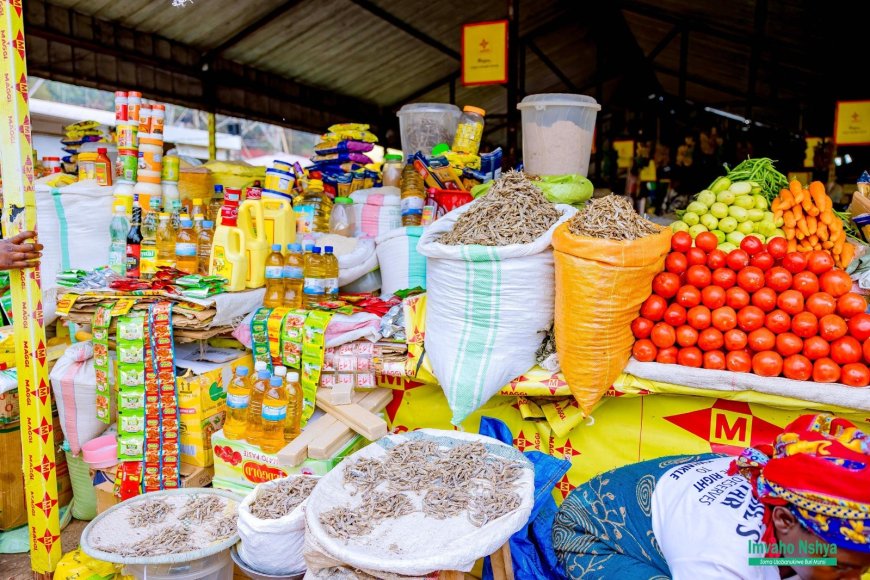
Breaking down the data, food and non-alcoholic beverages increased by 5.4% on an annual basis and 0.9% monthly. This reflects ongoing cost pressures on everyday essentials for Rwandan households.

The healthcare sector saw an extraordinary rise, with prices increasing by 70.5% year-on-year, though monthly costs decreased marginally by 0.1%. This sharp increase is a major contributor to the overall inflation figure.

Alcoholic beverages, tobacco, and related products recorded a 13.5% annual price increase and 1.4% on a monthly basis, highlighting rising costs in this category.

Transportation costs increased by 6.9% annually and 0.1% monthly, reflecting modest changes in travel expenses.

Looking at product origin, prices of locally produced goods rose 6.7% annually and 0.8% monthly, while imported products experienced a higher inflation rate of 8.3% annually and 0.6% monthly. This suggests that imported goods continue to put upward pressure on overall prices.

Fresh products, including perishable food items, increased by 6.2% annually and 1.5% monthly, while energy prices rose 2.5% annually but fell 0.4% compared to July, offering some relief from rising fuel and electricity costs.

NISR also reported that the general price index, excluding fresh products and energy, increased by 7.8% annually and 0.6% monthly, reflecting persistent inflation across a broad range of goods and services.

While inflation in Rwanda showed a slight easing in August 2025, the overall price levels remain elevated, particularly due to steep increases in healthcare, food, and alcohol prices. The higher inflation rate on imported goods also suggests ongoing challenges in managing price stability. Policymakers and consumers alike will need to monitor these trends closely as they impact household budgets and economic planning.

Market Prices in Rwanda Increase by 7.1% in August 2025 Compared to Same Month Last Year

Sep 10, 2025 - 15:47
Sep 10, 2025 - 17:44
 0
Market Prices in Rwanda Increase by 7.1% in August 2025 Compared to Same Month Last Year

The National Institute of Statistics of Rwanda (NISR) reported that consumer prices rose by 7.1% year-on-year in August 2025, marking a slight decline from July’s 7.3%. Key sectors such as food, healthcare, and alcoholic beverages saw significant price increases, while energy costs showed a modest decline.


The National Institute of Statistics of Rwanda (NISR) reported that consumer prices rose by 7.1% year-on-year in August 2025, marking a slight decline from July’s 7.3%. Key sectors such as food, healthcare, and alcoholic beverages saw significant price increases, while energy costs showed a modest decline.

In August 2025, Rwanda’s inflation rate slowed marginally to 7.1% compared to the previous month, according to NISR data. Food prices increased by 5.4%, healthcare expenses surged by 70.5%, and alcohol and tobacco prices rose 13.5% annually. Locally produced goods rose 6.7%, while imported goods saw a higher increase of 8.3%. Despite energy prices falling slightly month-to-month, overall inflationary pressures remain elevated.

The National Institute of Statistics of Rwanda (NISR) revealed that inflation measured by the rise in consumer prices eased slightly to 7.1% year-on-year in August 2025, down from 7.3% in July. This marginal decline indicates a slow but steady easing of inflationary pressures in the country.

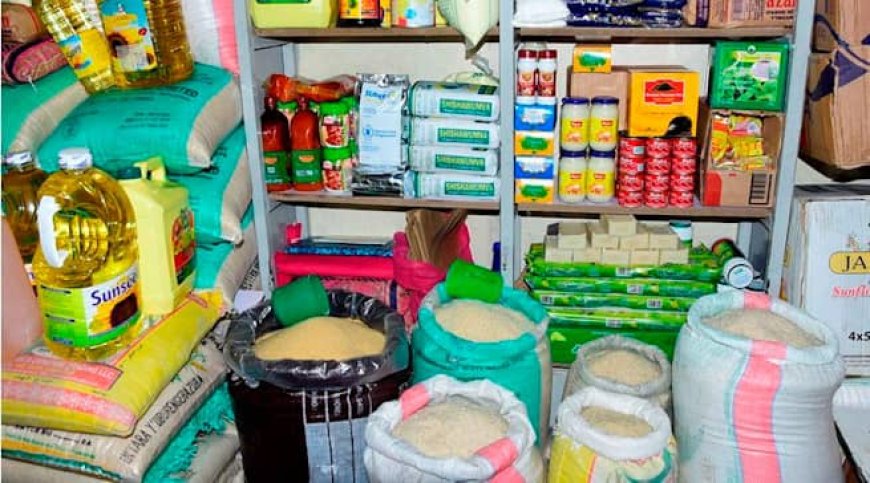
Breaking down the data, food and non-alcoholic beverages increased by 5.4% on an annual basis and 0.9% monthly. This reflects ongoing cost pressures on everyday essentials for Rwandan households.

The healthcare sector saw an extraordinary rise, with prices increasing by 70.5% year-on-year, though monthly costs decreased marginally by 0.1%. This sharp increase is a major contributor to the overall inflation figure.

Alcoholic beverages, tobacco, and related products recorded a 13.5% annual price increase and 1.4% on a monthly basis, highlighting rising costs in this category.

Transportation costs increased by 6.9% annually and 0.1% monthly, reflecting modest changes in travel expenses.

Looking at product origin, prices of locally produced goods rose 6.7% annually and 0.8% monthly, while imported products experienced a higher inflation rate of 8.3% annually and 0.6% monthly. This suggests that imported goods continue to put upward pressure on overall prices.

Fresh products, including perishable food items, increased by 6.2% annually and 1.5% monthly, while energy prices rose 2.5% annually but fell 0.4% compared to July, offering some relief from rising fuel and electricity costs.

NISR also reported that the general price index, excluding fresh products and energy, increased by 7.8% annually and 0.6% monthly, reflecting persistent inflation across a broad range of goods and services.

While inflation in Rwanda showed a slight easing in August 2025, the overall price levels remain elevated, particularly due to steep increases in healthcare, food, and alcohol prices. The higher inflation rate on imported goods also suggests ongoing challenges in managing price stability. Policymakers and consumers alike will need to monitor these trends closely as they impact household budgets and economic planning.