 Kinyarwanda
 English
 Swahili









































NCHR Report Shows Reduction in Prison Overcrowding by 24%

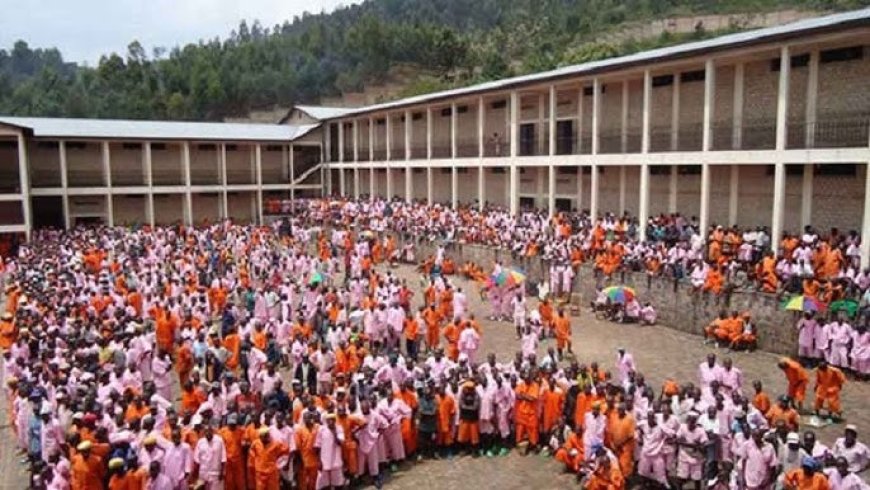
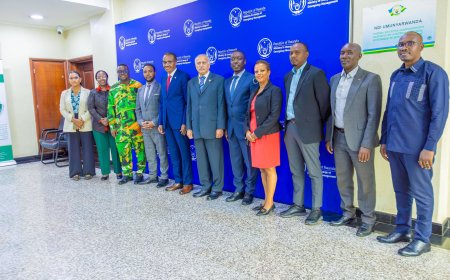
The National Commission for Human Rights (NCHR) has reported a 24.3% reduction in prison overcrowding across Rwanda during the 2024/2025 fiscal year, compared to the previous year. The occupancy rate dropped from 134.3% in 2023/2024 to 110% in 2024/2025.

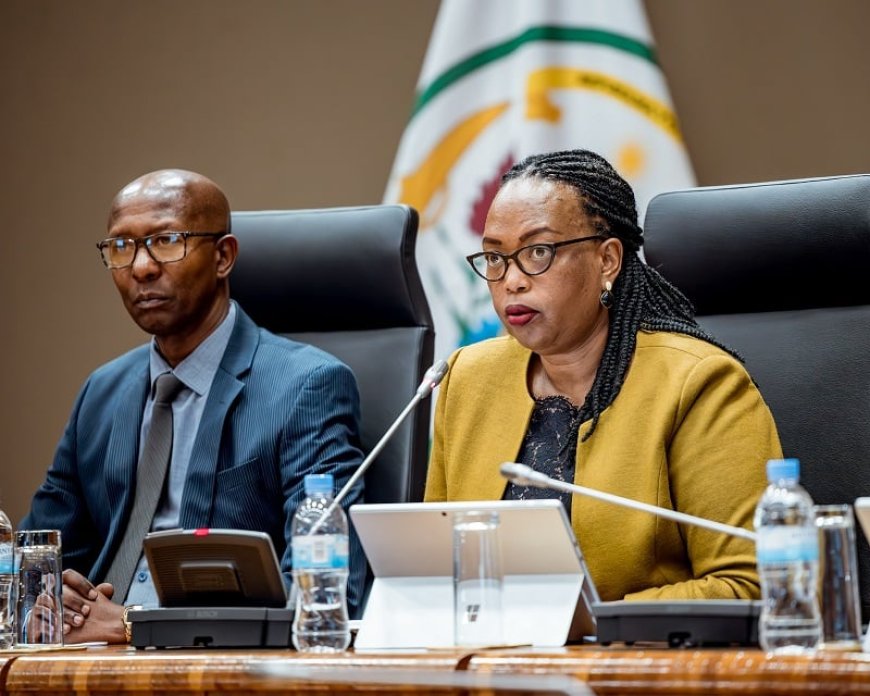
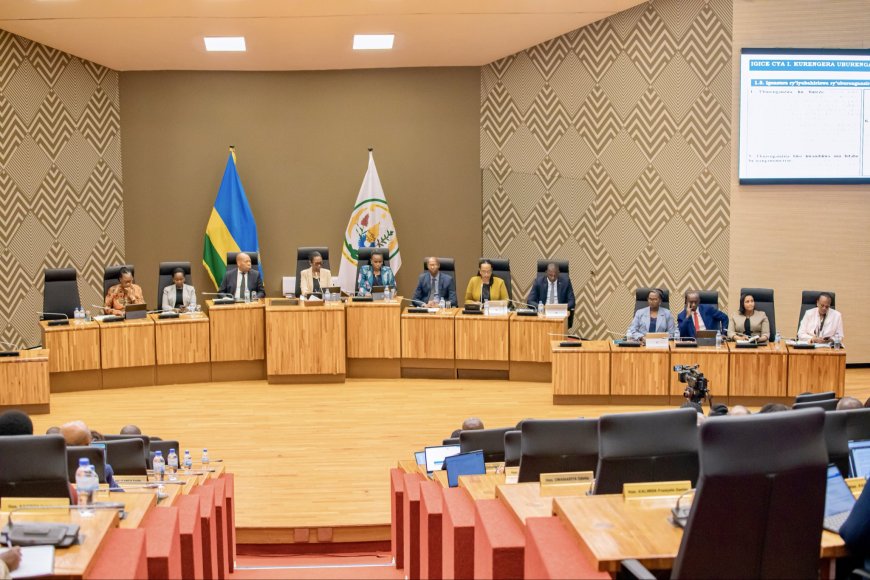
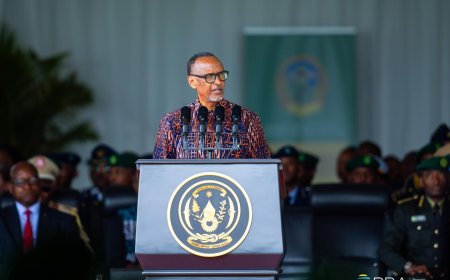
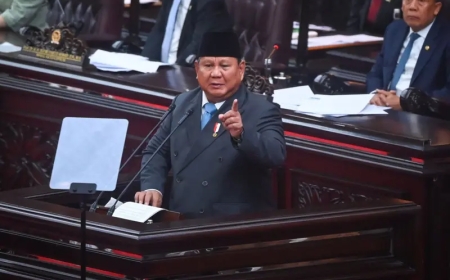
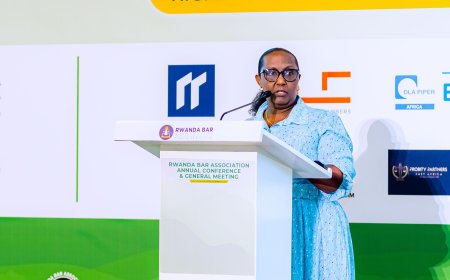
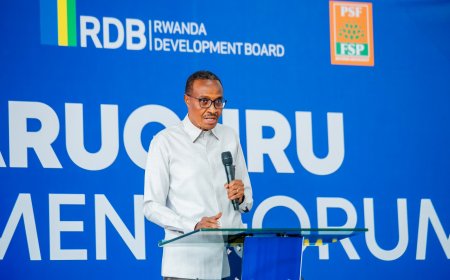
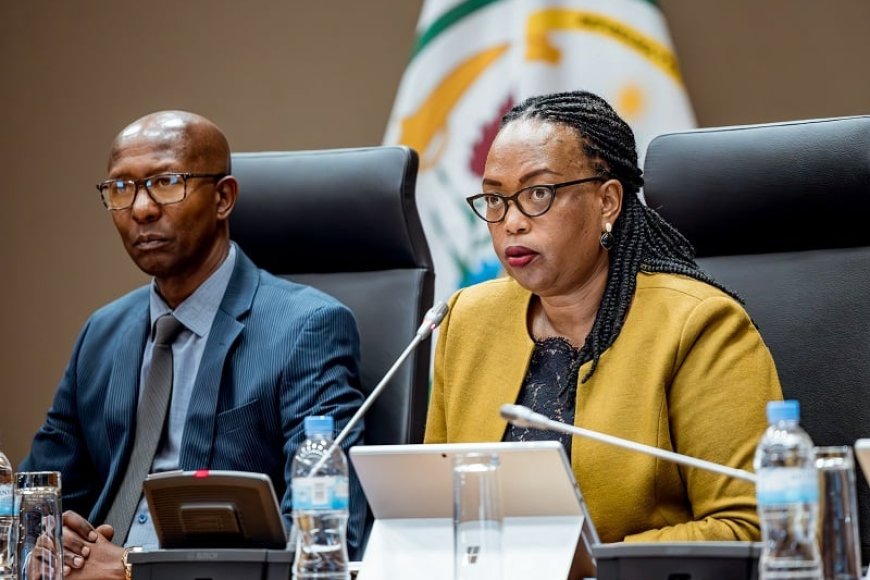
The NCHR Chairperson, Providence Umurungi, shared the findings on Wednesday, October 15, 2025, during a presentation to members of both chambers of Parliament on the Commission’s annual activities and plans for the 2025/2026 fiscal year.
According to the report, the Commission conducted monitoring visits to 14 prisons, 112 Rwanda Investigation Bureau (RIB) detention centers, 29 transit rehabilitation centers, 3 national rehabilitation centers, 9 elderly care homes, 3 homes for people with disabilities, and 5 mental health facilities.
Umurungi explained that the reduction in overcrowding resulted from several policy interventions, including conflict mediation, reconciliation-based approaches, and the increased use of provisional release mechanisms.
“It is encouraging to see a decline in the prison population. We believe this positive trend will continue as ongoing reconciliation and mediation initiatives yield more results,” she said.
Following the report’s completion, the Rwanda Correctional Service (RCS) indicated that by the end of August 2025, the average congestion rate had further dropped to 103.8%, marking an additional 3.8% reduction within that month.
However, Umurungi noted that prisons in Huye and Rusizi remain the most overcrowded, with some inmates still sleeping on wooden planks or cement floors using thin mats or blankets, unlike other prisons where inmates have access to beds and mattresses.
She also cited challenges in older facilities such as Bugesera, Muhanga, Ngoma, and Rusizi prisons, which require renovation. On a positive note, she commended all prisons for having dedicated isolation rooms for inmates with infectious diseases such as tuberculosis.
Most prisons, she added, have sufficient sanitation and bathing facilities, although Rwamagana Prison still struggles to provide adequate medical services due to its large population and limited nearby healthcare capacity.
Another concern raised was the situation of children living with their incarcerated mothers, particularly in Ngoma and Nyamagabe prisons. Umurungi said that after separation, some children face difficulties reintegrating with their families, as relatives often stop visiting or following up on them.
“There’s a need for stronger post-separation support mechanisms to ensure these children are not abandoned once they leave the prison environment,” she emphasized.