 Kinyarwanda
 English
 Swahili































Households in VUP Are No Longer Left Behind in Development

The EICV7 survey conducted by the National Institute of Statistics of Rwanda (NISR) shows that the Vision 2020 Umurenge Programme (VUP) is helping poor households across Rwanda improve their living standards, access basic services, and increase their capacity to develop economically. Households in different VUP components—including the extremely poor, public works participants, women, and the elderly are showing progress in livelihoods and economic stability.

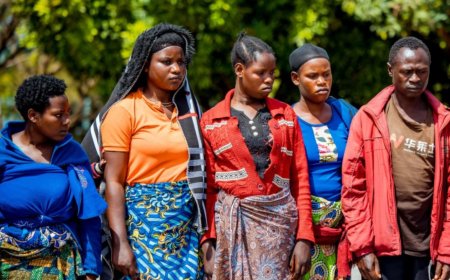
In Rwanda, households participating in VUP are no longer lagging behind in development. The latest NISR data indicates that the program reaches about 391,000 households (1.6 million people), providing cash transfers, skills development, and opportunities for income generation in agriculture, livestock, and small businesses.
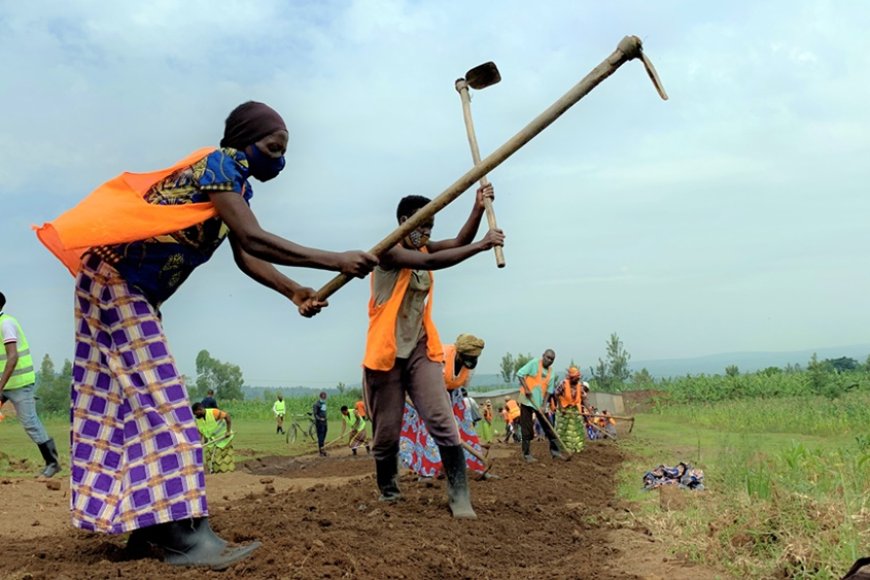
41% of VUP households live in poverty, yet the program has enabled many to access essential goods and income to cope with daily challenges. Households in the Classic and Expanded Public Works (cPW/ePW) components continue to benefit from agricultural and labor activities, earning supplementary income.
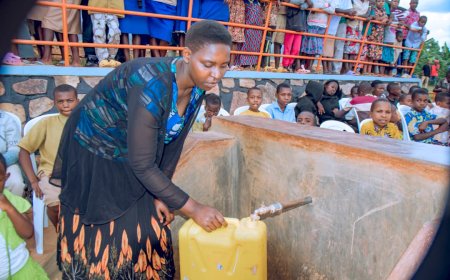
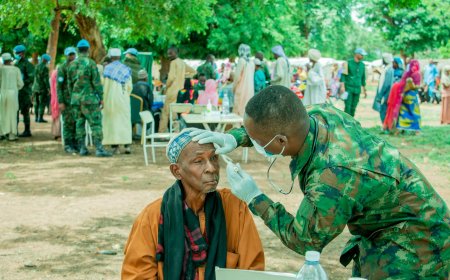
87% of beneficiaries have health insurance, and most households have access to safe water and sanitation. However, 12% still rely on unsafe water, and housing quality remains poor particularly in NSDS, where 83% of households still have earthen or dung floors.
Among DS participants, 72% are elderly, 62% are widowed, and 54.5% have no formal education. Disability prevalence across all VUP households is 9%, rising to 23% in the DS component. cPW households work an average of 4.5 months per year, earning 88,000 RWF annually, with frequent payment delays. FS participants receive loans averaging 100,000 RWF for business, farming, or livestock activities.
DS provides direct support to the most vulnerable households, with an average annual transfer of 128,572 RWF. cPW/ePW participants use earnings primarily for food, clothing, education, and savings. NSDS supports mothers and caregivers, with quarterly payments of 31,128 RWF. FS loans are largely used for agriculture, livestock, and small business, with most beneficiaries following through on investment plans.
Numbers:
- Households reached: 391,000 (1.6 million people)
- Health insurance coverage: 87%
- Households using unsafe water: 12%
- Average annual earnings in cPW: 88,000 RWF
- Average annual DS transfer: 128,572 RWF
- Average quarterly NSDS transfer: 31,128 RWF
VUP demonstrates that providing households with cash, basic services, and capacity-building opportunities allows even the poorest to improve their livelihoods. Despite challenges such as delayed payments and low housing quality, VUP remains a key driver of development for many rural Rwandan households.