 Kinyarwanda
 English
 Swahili

























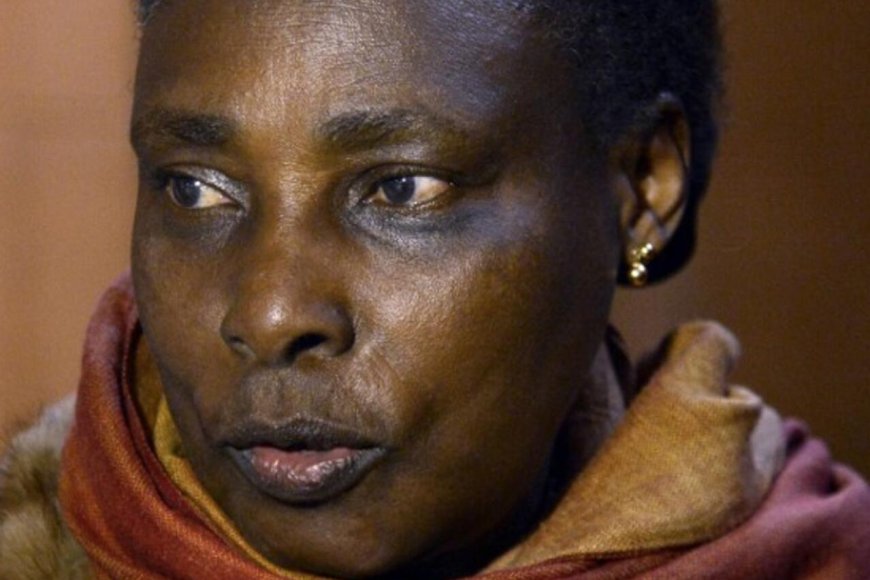
French Court Rules No Evidence to Indict Agathe Habyarimana in 1994 Genocide Case

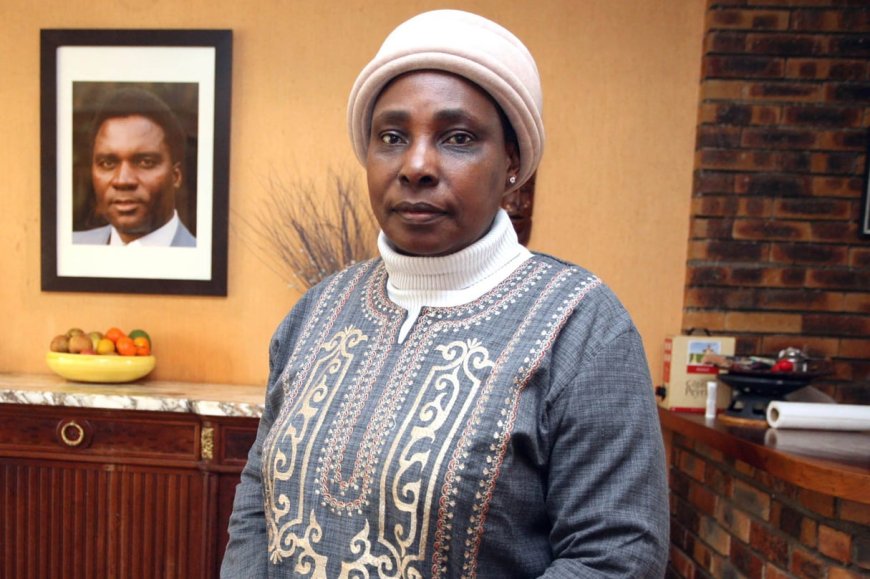
Agathe Kanziga Habyarimana, 82, widow of Rwanda’s former president Juvénal Habyarimana, will not face trial in France at this stage, sources say.

Kigali has repeatedly requested her extradition, but French judges have ruled that there is “no serious and consistent evidence” linking her to the 1994 genocide against the Tutsi.
The former first lady fled Rwanda with French assistance days after her husband’s plane was shot down in April 1994—a tragedy that triggered the genocide, which claimed around 800,000 lives. She has lived in France since 1998.
The investigation began in 2008, following a complaint by a French-based victims’ association alleging that Habyarimana was part of the Hutu inner circle responsible for planning and orchestrating killings. In the French legal system, she had the status of assisted witness, a position between being a witness and being formally charged.
French investigating magistrates said in a ruling on Friday that “at this stage, there is no serious and consistent evidence that she could have been an accomplice in an act of genocide” or “participated in an agreement to commit genocide.”
Agathe Habyarimana was long regarded as the matriarch of the Akazu, a family-based network that exerted significant influence over Rwanda’s military, politics, and media. French intelligence documents from the early 1990s described her as a central figure in orchestrating extremist policies, and in 2009 a French court found she exercised “de facto authority” over the media outlets Kangura and RTLM, which fueled genocidal propaganda.
Her evacuation by French forces after the assassination of her husband, Operation Amaryllis, remains a symbol of controversy for survivors, who view it as a betrayal while hundreds of thousands were being killed.
The decision not to prosecute her highlights France’s delicate balance between legal complexity, political sensitivity, and its historical ties to the Habyarimana regime, raising questions about accountability for the architects of one of the 20th century’s worst atrocities.