 Kinyarwanda
 English
 Swahili











Doha Deadlock: Kinshasa’s U-Turns Stall AFC/M23 Peace Deal
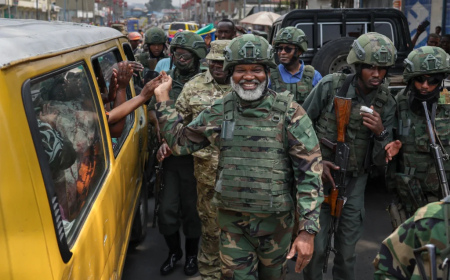
Doha’s mediation to secure a Kinshasa–AFC/M23 peace framework has hit a stalemate. Mediators say shifting positions from the Congolese side keep derailing a draft deal, eroding trust among regional and international partners.

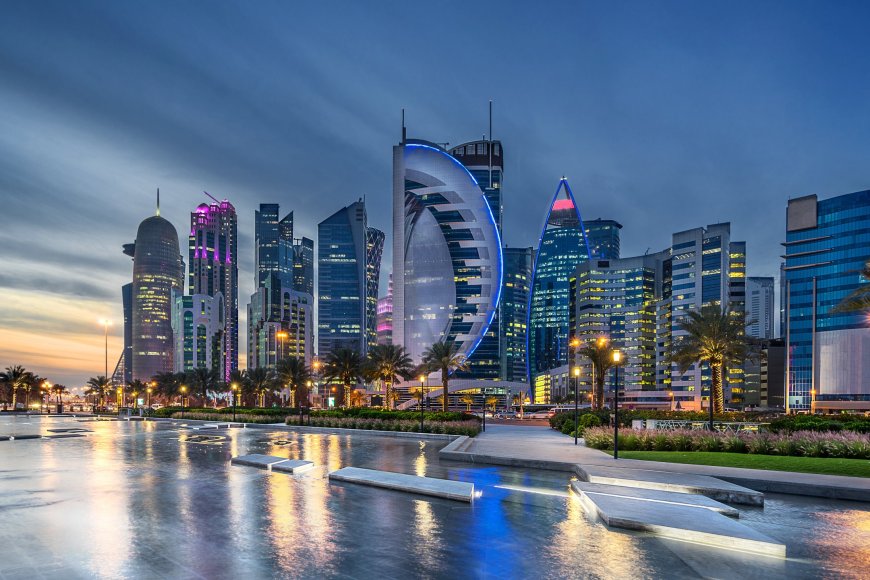
In Doha : under the carefully managed choreography of Qatari diplomacy efforts to secure an agreement between Kinshasa and the AFC/M23 are stalling in a theater of appearances.
This week, the facilitation team again hoped to finalize a framework sketching the contours of a peace deal. That hope keeps colliding with the cacophony of a Congolese leadership whose message shifts from one forum to the next, city to city.
At its core, Congo’s crisis is not only about arms, but also about words. Kinshasa loudly proclaims the need to restore state authority by which it often means the M23’s complete withdrawal as a precondition to any political reintegration.
For its part, the AFC/M23 argues that authority, now in tatters, cannot be decreed back into existence. It insists it must be rebuilt within a negotiated framework potentially through a national unity government that could restore the state’s legitimacy.
Caught between these visions, Qatar has tried to force a middle path: sign what can be agreed now and postpone the rest. Yet Kinshasa, sticking to an ever-shifting line, keeps reversing course.
This inconsistency already noted in several chancelleries has eroded confidence in the government’s diplomacy. From Brussels to Paris, Cairo to Doha, observers increasingly see a diplomacy of paradoxes: a President who plays peacemaker on one stage and war leader on the next; a cabinet that speaks of reconciliation in the morning and retribution by evening.
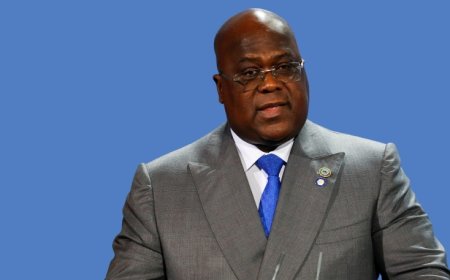
That rhetorical duality, now a hallmark of the regime, convinces few. While Kinshasa professes commitment to dialogue, its messaging in the field often remains adversarial. In a recent burst of nationalist fervor, Félix Tshisekedi accused President Kagame of seeking to annex eastern Congo, pledging he was ready to do “anything even become a soldier” to defend the people. The martial tone jarred with more conciliatory words whispered days earlier in diplomatic corridors.
The result is a maze of contradictions: calls for peace alongside actions that fuel conflict; invocations of sovereignty while leaning on foreign mediation; patriotic posturing without the cohesion to rally the nation.
A diplomacy of double speak eventually turns on its authors. The longer the leadership multiplies contradictory messages, the more trust withers among partners, among citizens, and, soon enough, perhaps in the judgment of history itself.
Doha Deadlock: Kinshasa’s U-Turns Stall AFC/M23 Peace Deal
Tags: