issa
Congo at the Crossroads: Frantz Fanon’s Message Inspires a New Moral and National Awakening

Congo at the Crossroads: Frantz Fanon’s Message Inspires a New Moral and National Awakening

Nov 3, 2025 - 13:53
 0

This UkweliTimes editorial draws inspiration from Frantz Fanon’s timeless words, urging the Democratic Republic of Congo to rediscover its moral mission. It reflects on the country’s struggle with corruption, tribalism, and moral decay, while calling for a national awakening grounded in justice, unity, and ethical leadership. The piece argues that Congo’s rebirth will not come from power or slogans, but from conscience, courage, and a shared commitment to the common good.


Some words transcend time, echoing not as simple reflections but as moral imperatives. Frantz Fanon’s words belong to that rare category  a call to historical awareness, a challenge to every generation to confront its responsibility in shaping destiny.

The “obscurity” Fanon refers to is not ignorance but the mystery of history itself  that uncertain zone where power, ideals, and interests collide to determine the fate of nations. To discover one’s mission requires moral clarity: the ability to read the signs of the times, to discern a path through the confusion, and to act with courage and conviction.

To fulfill that mission is to answer the call of duty, even when it demands sacrifice. It means rejecting complacency and comfort, refusing the blindness of indifference, and choosing the harder road of integrity. To betray it, by contrast, is to surrender to fear, to abandon principle, and to become complicit in the stagnation and decline of one’s nation.

Fanon’s words hold a mirror to the present. They challenge every society to ask whether it will rise to meet its historical duty or retreat into cynicism and silence. History, after all, is unforgiving to those who abandon their purpose.

Frantz Fanon, born on July 20, 1925, in Fort-de-France, died under the name Ibrahim Frantz Fanon on December 6, 1961, in Bethesda, at a military hospital in the suburbs of Washington, United States.

The Democratic Republic of Congo stands at such a crossroads today  a vast and beautiful land shaped by memory and diversity, rich in culture, languages, and potential. Yet its promise falters. Beneath the surface of abundance lies a moral crisis that threatens the very idea of the Republic.

Corruption, tribalism, and political manipulation have weakened the foundations of public life. Merit is overshadowed by favoritism, truth by convenience, and patriotism has become a slogan stripped of meaning. In this atmosphere, fear replaces principle, and the genuine anger of citizens is too often exploited for personal gain.

To accept this decline is to let the flame of the Republic fade. It is to replace reason with ethnicity, justice with privilege, and the common good with greed. The DRC’s strength has always rested in its universality  the idea that a nation as vast and diverse as Congo can still stand united in dignity.

Tribalism, whatever form it takes, is not a form of protection. It is moral self-destruction  a denial of the shared humanity that binds citizens together. It is against this decay that movements like the Alliance of Forces for Change (AFC/M23) have risen, not as armies of conquest but as forces of conviction. Their stated aim is not revenge, but renewal  the restoration of justice, dignity, and moral order at the center of public life.

The challenge before the DRC is monumental: to rebuild the Republic not as a word repeated in speeches, but as a living moral principle. It means creating a nation where diversity is celebrated as strength, where power serves rather than dominates, and where every citizen can once again believe in the State.

Congo has every resource it needs  fertile lands, immense wealth, and a vibrant, intelligent youth. What it lacks is moral coherence, a shared faith in the future. That faith cannot be manufactured by fear or opportunism. It must be born from integrity, sacrifice, and a renewed sense of common purpose.


True greatness is not measured by power or riches, but by the ability to turn suffering into wisdom, anger into energy, and the wounds of the past into the foundations of renewal. To reject corruption is already an act of defiance. To resist tribalism is to build. To defend the Republic’s universal ideals is to serve.

Congo’s rebirth will not come from decrees or elections alone. It will come from conscience  from an ethical awakening that inspires a generation to act. The time for slogans has passed. What the country needs now is honesty, courage, and a return to the moral duty of citizenship.

The Democratic Republic of Congo  wounded but not defeated  still holds within it the heartbeat of Africa’s renewal. Its destiny belongs not to those who shout the loudest, but to those who build with quiet conviction.

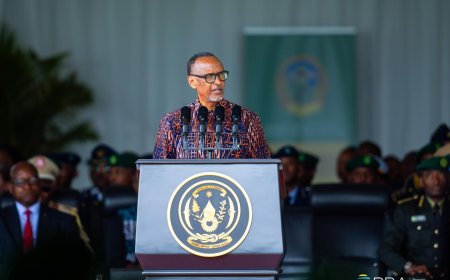
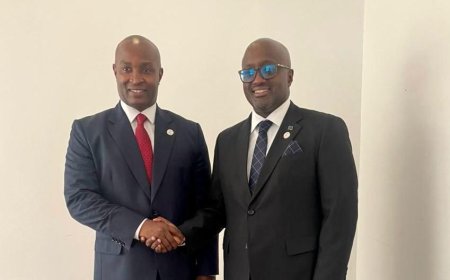
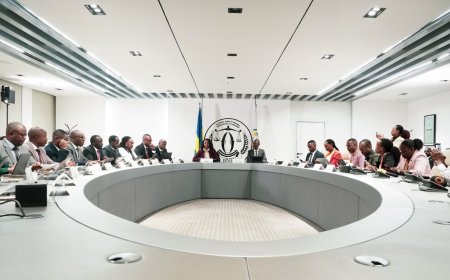
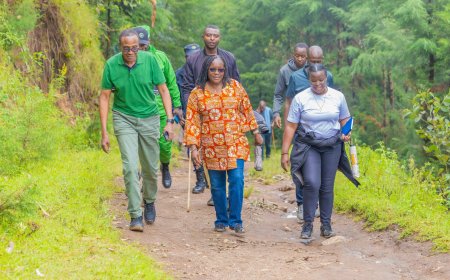
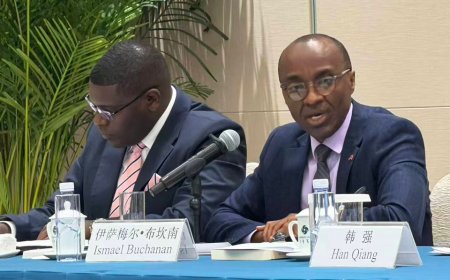
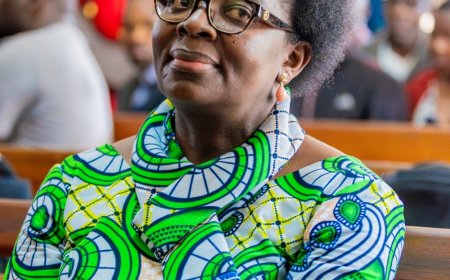
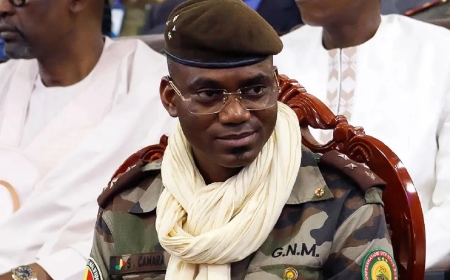
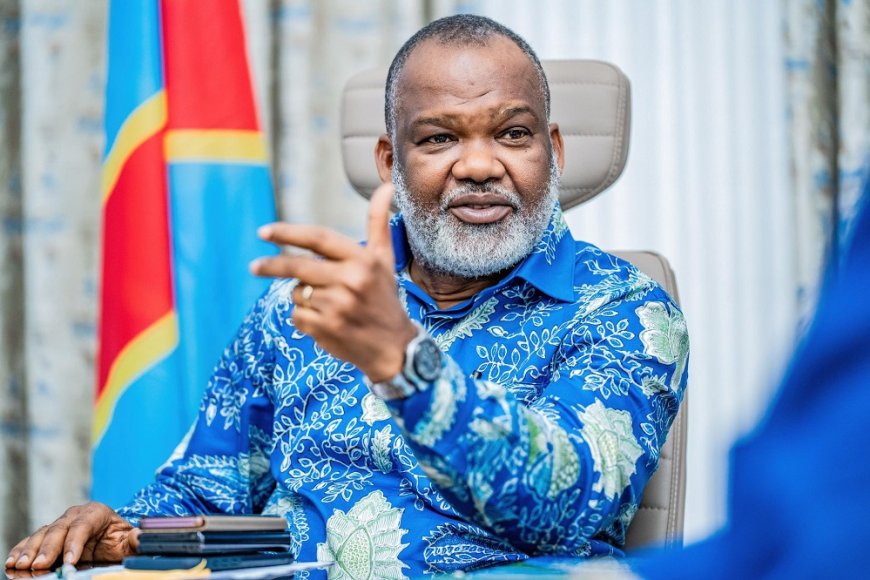
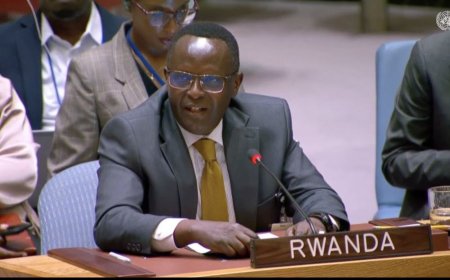
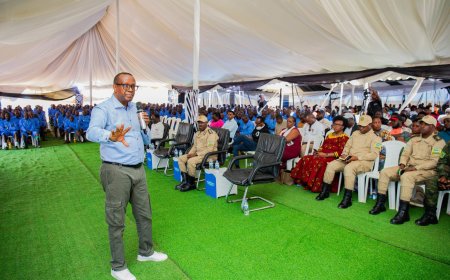
A Congolese official during a discussion on national unity and governance in the Democratic Republic of Congo symbolizing the call for moral renewal and leadership accountability.

Layla kamanzi Layla Kamanzi is a passionate journalist and creative writer with a keen eye for impactful storytelling. As a Journalism and Mass Communication student at Mount Kenya University, she is dedicated to using words as a tool to inform, inspire, and amplify the voices of everyday people. Driven by curiosity and a love for truth, Layla explores stories that shape communities and spark meaningful conversations. She enjoys blending facts with compelling narratives to create content that educates, empowers, and connects audiences across East Africa and beyond.
Congo at the Crossroads: Frantz Fanon’s Message Inspires a New Moral and National Awakening

Nov 3, 2025 - 13:53
 0
Congo at the Crossroads: Frantz Fanon’s Message Inspires a New Moral and National Awakening

This UkweliTimes editorial draws inspiration from Frantz Fanon’s timeless words, urging the Democratic Republic of Congo to rediscover its moral mission. It reflects on the country’s struggle with corruption, tribalism, and moral decay, while calling for a national awakening grounded in justice, unity, and ethical leadership. The piece argues that Congo’s rebirth will not come from power or slogans, but from conscience, courage, and a shared commitment to the common good.


Some words transcend time, echoing not as simple reflections but as moral imperatives. Frantz Fanon’s words belong to that rare category  a call to historical awareness, a challenge to every generation to confront its responsibility in shaping destiny.

The “obscurity” Fanon refers to is not ignorance but the mystery of history itself  that uncertain zone where power, ideals, and interests collide to determine the fate of nations. To discover one’s mission requires moral clarity: the ability to read the signs of the times, to discern a path through the confusion, and to act with courage and conviction.

To fulfill that mission is to answer the call of duty, even when it demands sacrifice. It means rejecting complacency and comfort, refusing the blindness of indifference, and choosing the harder road of integrity. To betray it, by contrast, is to surrender to fear, to abandon principle, and to become complicit in the stagnation and decline of one’s nation.

Fanon’s words hold a mirror to the present. They challenge every society to ask whether it will rise to meet its historical duty or retreat into cynicism and silence. History, after all, is unforgiving to those who abandon their purpose.
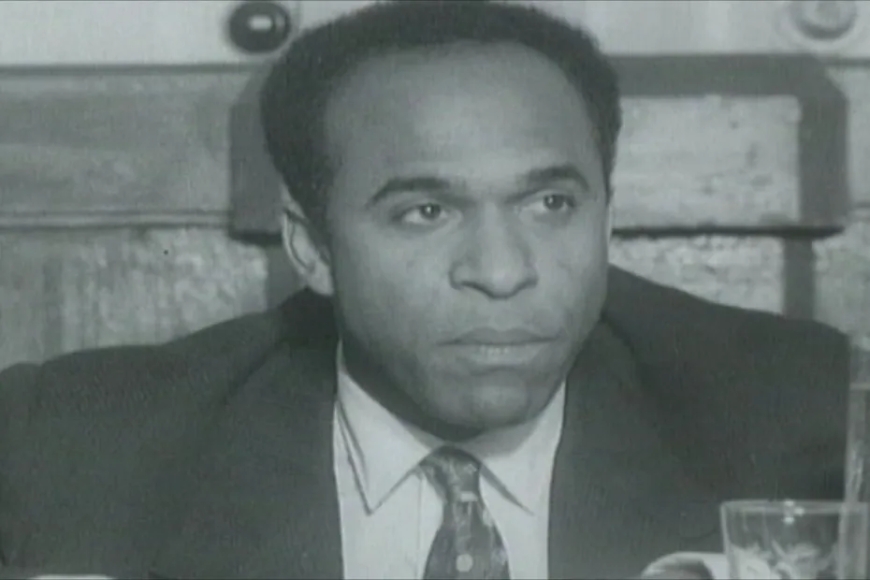
Frantz Fanon, born on July 20, 1925, in Fort-de-France, died under the name Ibrahim Frantz Fanon on December 6, 1961, in Bethesda, at a military hospital in the suburbs of Washington, United States.

The Democratic Republic of Congo stands at such a crossroads today  a vast and beautiful land shaped by memory and diversity, rich in culture, languages, and potential. Yet its promise falters. Beneath the surface of abundance lies a moral crisis that threatens the very idea of the Republic.

Corruption, tribalism, and political manipulation have weakened the foundations of public life. Merit is overshadowed by favoritism, truth by convenience, and patriotism has become a slogan stripped of meaning. In this atmosphere, fear replaces principle, and the genuine anger of citizens is too often exploited for personal gain.

To accept this decline is to let the flame of the Republic fade. It is to replace reason with ethnicity, justice with privilege, and the common good with greed. The DRC’s strength has always rested in its universality  the idea that a nation as vast and diverse as Congo can still stand united in dignity.

Tribalism, whatever form it takes, is not a form of protection. It is moral self-destruction  a denial of the shared humanity that binds citizens together. It is against this decay that movements like the Alliance of Forces for Change (AFC/M23) have risen, not as armies of conquest but as forces of conviction. Their stated aim is not revenge, but renewal  the restoration of justice, dignity, and moral order at the center of public life.

The challenge before the DRC is monumental: to rebuild the Republic not as a word repeated in speeches, but as a living moral principle. It means creating a nation where diversity is celebrated as strength, where power serves rather than dominates, and where every citizen can once again believe in the State.

Congo has every resource it needs  fertile lands, immense wealth, and a vibrant, intelligent youth. What it lacks is moral coherence, a shared faith in the future. That faith cannot be manufactured by fear or opportunism. It must be born from integrity, sacrifice, and a renewed sense of common purpose.


True greatness is not measured by power or riches, but by the ability to turn suffering into wisdom, anger into energy, and the wounds of the past into the foundations of renewal. To reject corruption is already an act of defiance. To resist tribalism is to build. To defend the Republic’s universal ideals is to serve.

Congo’s rebirth will not come from decrees or elections alone. It will come from conscience  from an ethical awakening that inspires a generation to act. The time for slogans has passed. What the country needs now is honesty, courage, and a return to the moral duty of citizenship.

The Democratic Republic of Congo  wounded but not defeated  still holds within it the heartbeat of Africa’s renewal. Its destiny belongs not to those who shout the loudest, but to those who build with quiet conviction.
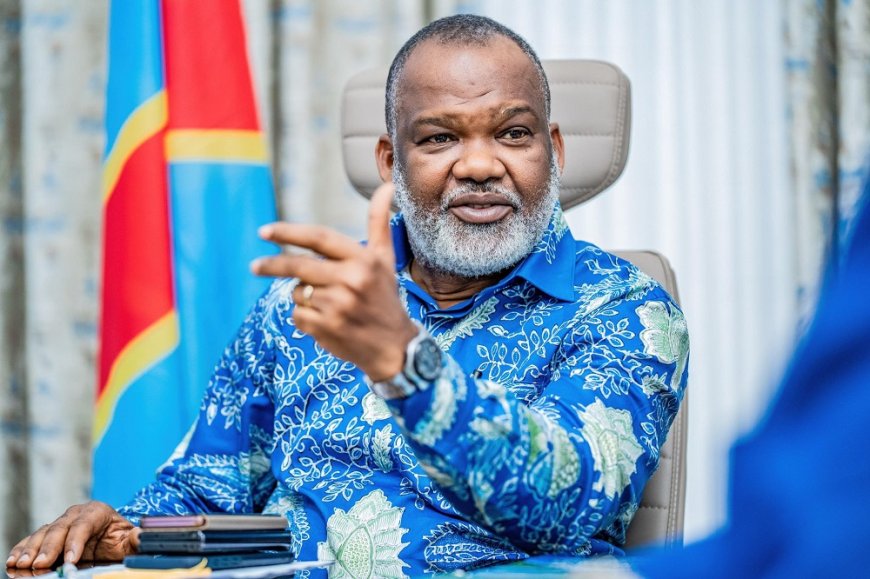
A Congolese official during a discussion on national unity and governance in the Democratic Republic of Congo symbolizing the call for moral renewal and leadership accountability.