 Kinyarwanda
 English
 Swahili














Rwanda, DRC Clash at Geneva Parliamentary Summit

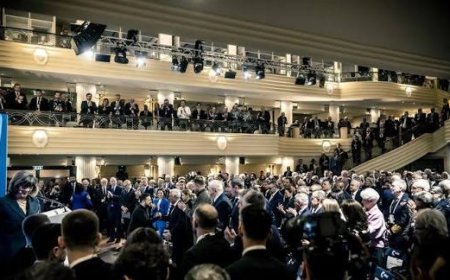
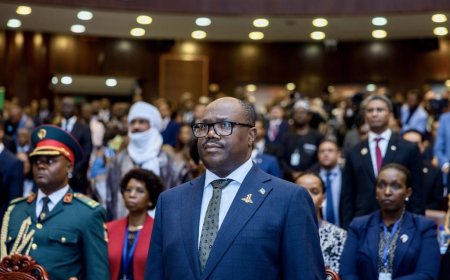
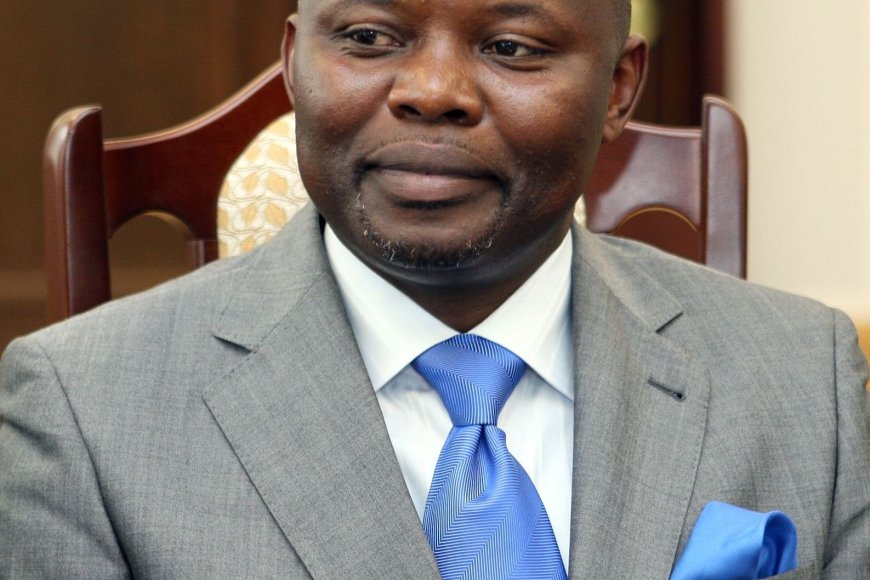
Geneva; Tensions between the Democratic Republic of Congo (DRC) and Rwanda have flared once again following strong remarks made by Vital Kamerhe, President of the DRC’s National Assembly, during the 6th World Conference of Speakers of Parliament in Geneva on July 30.

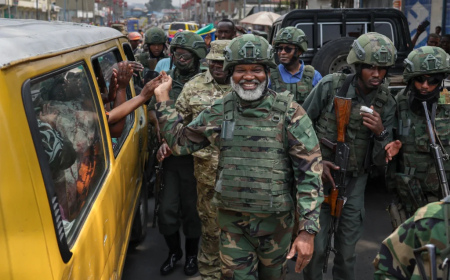
In a passionate address, Kamerhe called on the international community to join the Congolese people in unequivocally condemning atrocities committed against civilians, making veiled references to Rwanda’s alleged role in the ongoing violence in eastern DRC.
He praised President Félix Tshisekedi’s leadership for choosing peace despite historical burdens, saying:
“Our country, under the leadership of President Félix-Antoine Tshisekedi Tshilombo, made the courageous choice of peace with our neighbor Rwanda—a just peace, without sacrificing sovereignty, justice, or reparation.”
Kamerhe also stressed the DRC’s commitment to regional cooperation beyond the bilateral conflict with Rwanda:
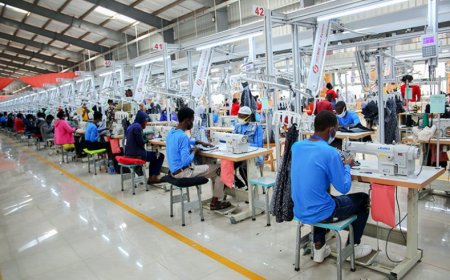
"What we seek is to silence the noise of weapons… from the Sahel to the East of the DRC, so that the hum of tractors in our fields and machines in our economic zones can take over.”
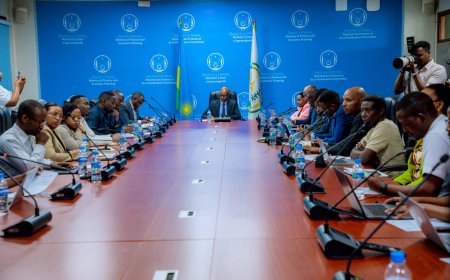
However, Rwanda swiftly responded with a strongly worded statement on August 1 from its Parliament, criticizing Kamerhe’s speech as “baseless” and “inflammatory.”
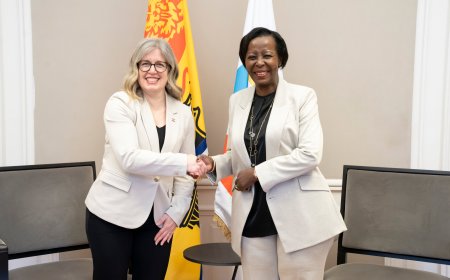
The Rwandan Parliament expressed deep concern over Kamerhe’s remarks, noting they starkly contradicted the spirit of cooperation previously demonstrated during the July Francophonie Parliamentary Assembly in Paris.
At that session, Kamerhe had praised a U.S.-facilitated peace agreement signed on June 27, 2025, between Rwanda and the DRC.
"By reverting to incendiary rhetoric in Geneva barely two weeks later, Hon. Kamerhe has cast doubt on the sincerity of the DRC Parliament’s commitment to inter-parliamentary peace efforts,” the Rwandan Parliament said.
“Such reversals could hinder the ratification process and broader efforts to advance peace.”
Rwanda reiterated its commitment to constructive dialogue and urged regional leaders to show coherence, integrity, and respect for signed agreements to advance regional stability.
The Geneva fallout threatens to further strain the already fragile peace efforts in the Great Lakes region, where Rwanda has long denied accusations of backing armed groups in eastern DRC. The U.S.-brokered agreement was seen as a potential breakthrough, but the renewed verbal clash highlights the deep mistrust that continues to derail normalization efforts between the two neighbors.