 Kinyarwanda
 English
 Swahili












































Rwanda cuts new HIV infections by 82% but 2,600 still die every year — Dr. Sabin Nsanzimana

Rwanda’s Ministry of Health (MINISANTE) has revealed that despite remarkable progress in the fight against HIV/AIDS, the country still records at least 2,600 AIDS-related deaths each year, while around 3,200 new infections are reported annually.

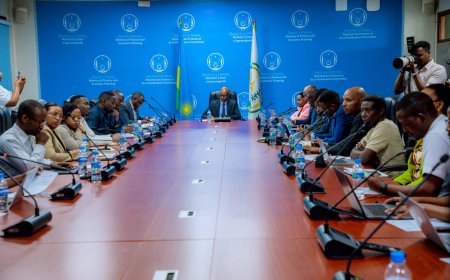
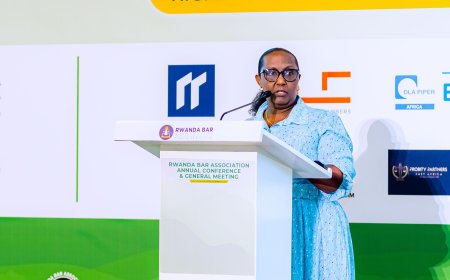
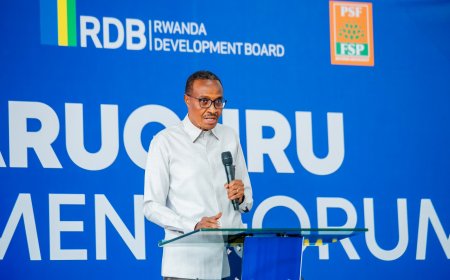
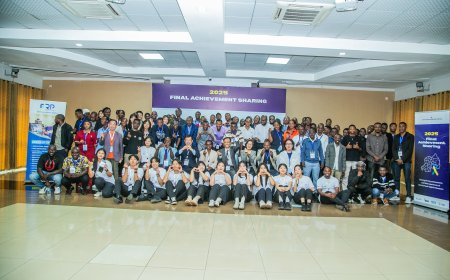
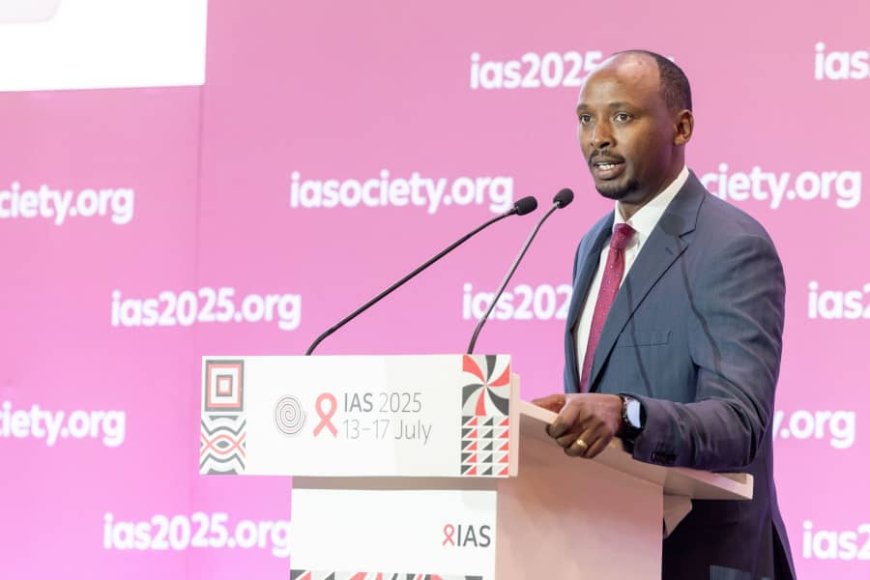
The figures were presented by the Minister of Health, Dr. Sabin Nsanzimana, during the official opening of the 13th International AIDS Society Conference (IAS 2025), a five-day global forum taking place in Kigali since Monday, July 14, 2025.
“We deliberately chose not to run HIV services separately but to integrate them within broader health system strengthening programs. This approach helped us build a resilient health sector that does not rely only on standalone projects and has enabled us to cut new infections by 82% and AIDS-related deaths by 86%,” Dr. Nsanzimana said.
HIV was first detected in Rwanda in 1983 and began to spread widely from 1986, with the peak of new infections occurring between 1988 and 1996. Since then, the government has made tremendous efforts to curb the epidemic.
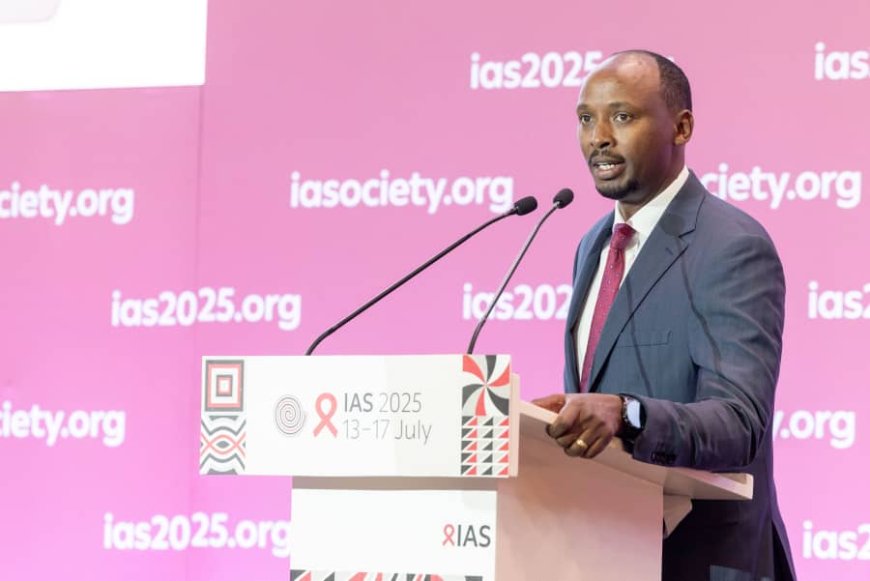
Minister Of Health Dr Sabin Nsanzimana
The country has already surpassed the UNAIDS 95-95-95 targets, which aim for 95% of people living with HIV to know their status, 95% of those who know their status to be on treatment, and 95% of those on treatment to have suppressed viral loads that prevent transmission. Rwanda’s current score stands at 96-98-98.
However, there are still groups struggling with treatment adherence. Among males aged 20–24, the adherence rate is 88%, with 9% not following treatment properly and 3% dying due to AIDS-related illnesses. Adolescents aged 15–19 and young adults aged 20–24 show poor adherence within the first 12 months of starting medication.
Older adults over 50 have a high adherence rate (95%) but remain among those with the highest AIDS-related mortality. Boys under 15 show a 96% adherence rate yet still record a 4% mortality rate.
Sex workers have an HIV prevalence of 35%, while men who have sex with men (MSM) stand at 5.8% but only 43% of MSM know their HIV status.
The International AIDS Society (IAS) President, Beatriz Grinsztejn, praised Rwanda’s commitment and emphasized that strong political will and collaboration are key to ending the epidemic globally.
“When there is genuine commitment and collaboration, nothing is impossible,” Grinsztejn said.
As the IAS 2025 conference continues in Kigali, Rwanda’s Ministry of Health is calling on citizens to test regularly, adhere to treatment, and adopt safe practices to ensure the country’s vision of becoming AIDS-free becomes a reality.