 Kinyarwanda
 English
 Swahili












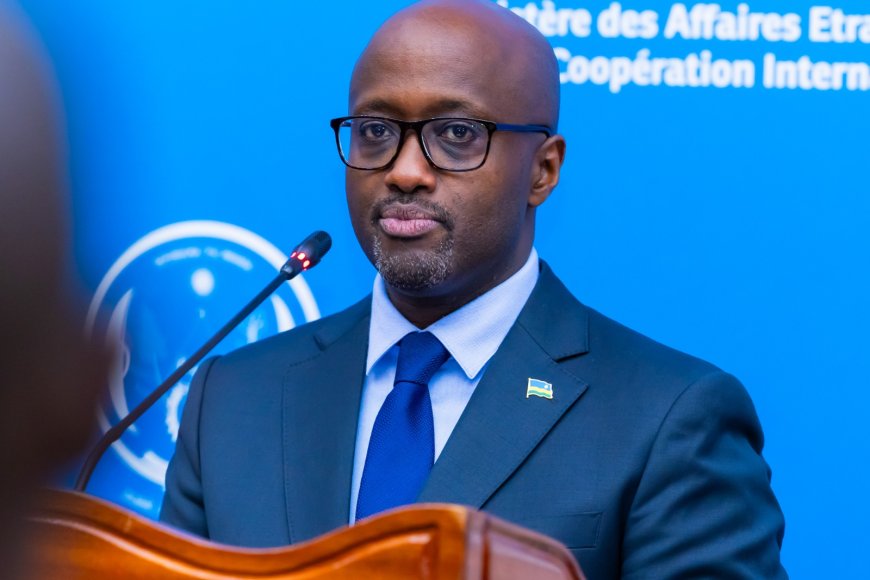
Minister Nduhungirehe accuses Agathe Habyarimana of deliberately distorting the history of the Genocide Against the Tutsi

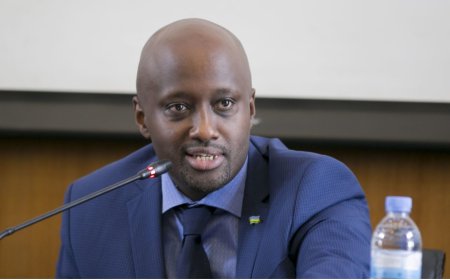
Rwanda’s Minister of Foreign Affairs and International Cooperation, Ambassador Olivier Nduhungirehe, has strongly condemned recent remarks made by Agathe Kanziga Habyarimana, the widow of former President Juvénal Habyarimana, accusing her of intentionally falsifying history and downplaying the 1994 Genocide against the Tutsi.

The minister was reacting to an interview Kanziga recently gave to Willy Kabera, aired on a YouTube channel named Mémoire Habyarimana Officiel. In the interview, she spoke about her life as First Lady, the death of her husband, and her experiences in exile.
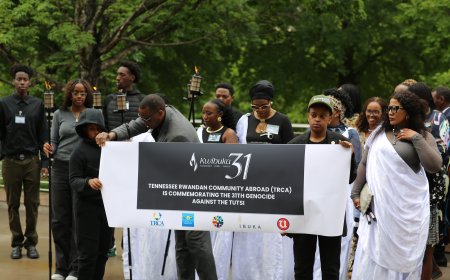
Writing on his X (formerly Twitter) account, Minister Nduhungirehe criticized the timing and content of the interview, noting that it was released as Rwanda prepares to mark the 32nd commemoration of the Genocide against the Tutsi. He described the discussion as a deliberate attempt to insult survivors and perpetuate genocide denial.
“As Rwanda prepares for #Kwibuka32, acts of genocide denial and revisionism continue to escalate, particularly from Paris,” Nduhungirehe wrote. “This interview, which gives a platform to the former First Lady Agathe Kanziga and was conducted by Willy Kabera, is a striking example of extreme falsehoods and moral cruelty.”
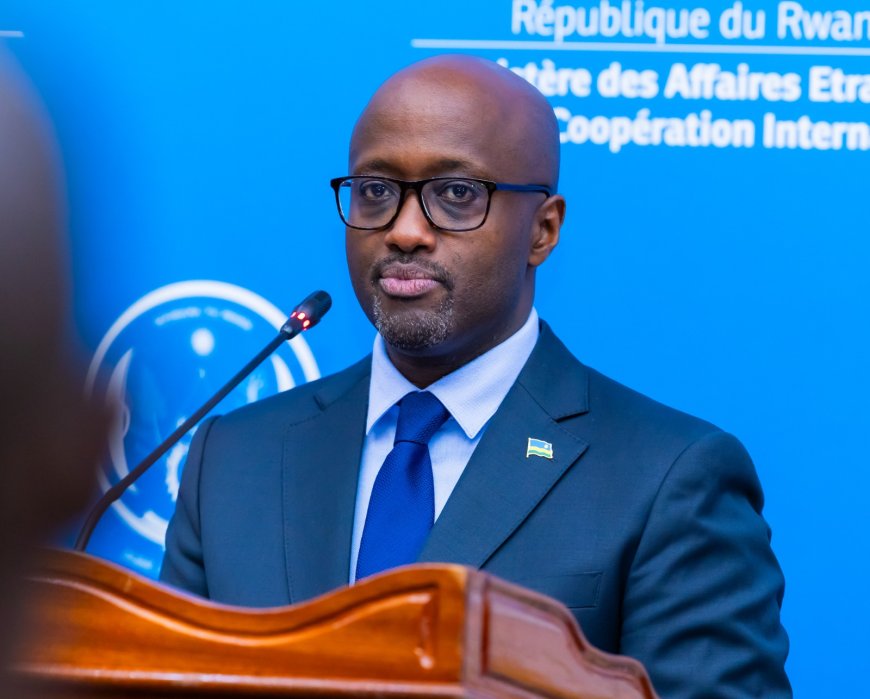
The minister said the interview presented Rwanda’s recent history solely through Kanziga’s personal narrative, despite longstanding allegations linking her to a role in the genocide against the Tutsi.
He further criticized her for failing to acknowledge the systematic massacres of Tutsi that occurred between 1959 and 1964, including the 1963 killings in Gikongoro, at a time when Juvénal Habyarimana already held positions within the state apparatus.
Nduhungirehe also pointed out that Kanziga remained silent on the persecution of Tutsi students in February 1973, when Habyarimana was serving as Minister of Defence and was directly involved in state security affairs.
Additionally, the minister dismissed Kanziga’s claims regarding the assassination of politicians during the First Republic, where she allegedly portrayed Théoneste Lizinde as acting alone and suggested that President Habyarimana was distressed by the killings.
“Historical records clearly show that it was Habyarimana himself who ordered these assassinations,” Nduhungirehe stated, adding that the victims’ families were subsequently expelled from Kigali and forcibly relocated to their home regions under strict orders never to return to the capital.
The minister’s remarks underline the Rwandan government’s continued stance against all forms of genocide denial and minimization, particularly during periods dedicated to remembrance. Rwanda, he emphasized, remains committed to safeguarding historical truth and honoring the memory of the victims of the Genocide against the Tutsi.