
issa
Expert on the Israel-Iran ceasefire: A unique chance to strengthen relations, but obstacles still exist

Expert on the Israel-Iran ceasefire: A unique chance to strengthen relations, but obstacles still exist

Jun 26, 2025 - 12:39
 0

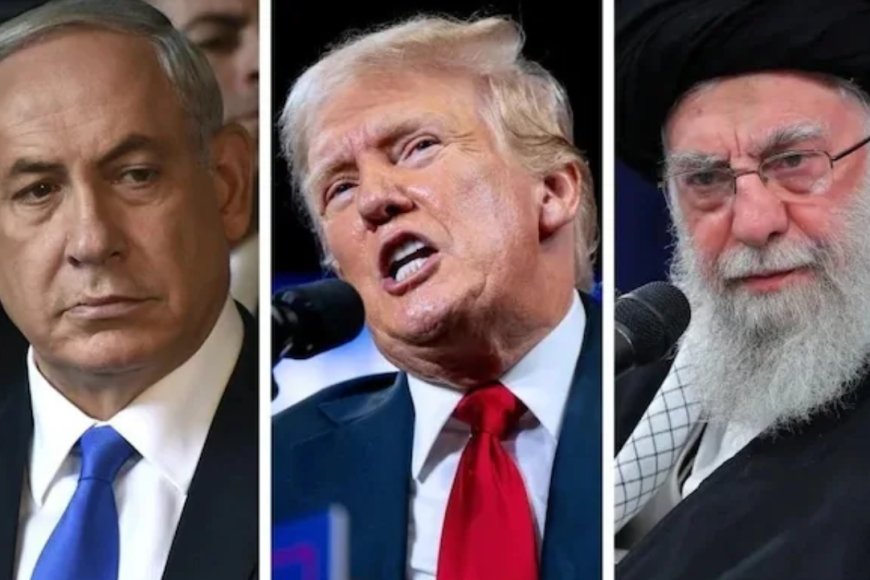
In an interview with CGTN on Tuesday, an analyst stated that although there are still many obstacles to overcome, the ceasefire between Israel and Iran offers a unique chance to strengthen bilateral ties and advance regional peace and stability.


The truce offers a critical window for both parties to address longstanding tensions through diplomatic channels, Cui Shoujun, a professor at the School of International Relations at Renmin University of China, told CGTN.

U.S. President Donald Trump on Tuesday said the ceasefire between Israel and Iran is "now in effect."

"THE CEASEFIRE IS NOW IN EFFECT. PLEASE DO NOT VIOLATE!" he wrote on Truth Social platform.

Iran’s Press TV reported on Tuesday that ceasefire began following waves of Iranian attacks on Israel. Israeli Prime Minister Benjamin Netanyahu also said Israel had agreed to U.S.-brokered ceasefire, stating that Israel had achieved its military objectives against Iran.
The acceptance of the ceasefire by both sides came after Israel’s military said it was working to intercept Iranian missiles launched "a short while ago," without specifying the exact time of the attack.

"If both sides can seize this moment to resume and deepen dialogue – particularly on nuclear and regional security issues – with the support and oversight of the international community, there is a genuine possibility of reaching a long-term peace agreement," Cui said.

’Cost of continued direct conflict too high for both sides’

Cui said one of the primary drivers behind the ceasefire is the prolonged risk of war. The cost of continued direct conflict is too high for both sides, he said, adding that a war will not only undo decades of economic progress in both countries, but also trigger severe domestic political upheavals, and potentially lead to the loss of control of nuclear facilities – resulting in irreversible ecological and humanitarian disasters.

"The leaders on both sides understand that there are no winners in war," he emphasized.

Cui also pointed out that strong international mediation created a favorable environment for the ceasefire. The escalation of the conflict had posed a serious threat to global energy security and international shipping routes – particularly the Strait of Hormuz – sparking widespread alarm across the international community and prompting major powers to play a part in de-escalating the tensions.

Notably, emerging powers such as China have also played a constructive role, the professor added.

He further explained that years of sanctions and regional tensions have weighed heavily on Iran’s economy, while Israeli society has grown weary from a prolonged state of military readiness and deep political divisions.

"Both governments now urgently need a stable external environment so they can focus on resolving critical domestic challenges," he said.

Speaking about the challenges ahead, the professor noted that the deep-rooted hostility and mutual distrust between Israel and Iran cannot be resolved overnight.

In addition to the region’s complex dynamics, numerous external factors also pose obstacles to lasting peace. Cui pointed out that the U.S. has long pursued its own strategic interests in the Middle East. Its consistent military and political support for Israel, along with an often inconsistent policy toward Iran, could complicate or even derail efforts at reconciliation between the two countries.

He further emphasized that other Middle Eastern nations maintain varying degrees of interest alignment and friction with both Israel and Iran. As a result, even subtle shifts in the regional balance of power could significantly influence the trajectory of Iran-Israel relations.

Source: IGIHE

MBARUSHIMANA Elia MBARUSHIMANA Elia joined journalism as a volunteer in 2018. Currently an Entertainment Journalist & News Reporter. I worked for NEWSWITHIN, MAXIMED TV, and Ukwelitimes.com as well as imirasiretv.com & bigezwehotv.com | Contact Me: +250781087999 or mbarushimanaelia50@gmail.com

Expert on the Israel-Iran ceasefire: A unique chance to strengthen relations, but obstacles still exist

Jun 26, 2025 - 12:39
Jun 26, 2025 - 14:43
 0
Expert on the Israel-Iran ceasefire: A unique chance to strengthen relations, but obstacles still exist

In an interview with CGTN on Tuesday, an analyst stated that although there are still many obstacles to overcome, the ceasefire between Israel and Iran offers a unique chance to strengthen bilateral ties and advance regional peace and stability.


The truce offers a critical window for both parties to address longstanding tensions through diplomatic channels, Cui Shoujun, a professor at the School of International Relations at Renmin University of China, told CGTN.

U.S. President Donald Trump on Tuesday said the ceasefire between Israel and Iran is "now in effect."

"THE CEASEFIRE IS NOW IN EFFECT. PLEASE DO NOT VIOLATE!" he wrote on Truth Social platform.

Iran’s Press TV reported on Tuesday that ceasefire began following waves of Iranian attacks on Israel. Israeli Prime Minister Benjamin Netanyahu also said Israel had agreed to U.S.-brokered ceasefire, stating that Israel had achieved its military objectives against Iran.

The acceptance of the ceasefire by both sides came after Israel’s military said it was working to intercept Iranian missiles launched "a short while ago," without specifying the exact time of the attack.

"If both sides can seize this moment to resume and deepen dialogue – particularly on nuclear and regional security issues – with the support and oversight of the international community, there is a genuine possibility of reaching a long-term peace agreement," Cui said.

’Cost of continued direct conflict too high for both sides’

Cui said one of the primary drivers behind the ceasefire is the prolonged risk of war. The cost of continued direct conflict is too high for both sides, he said, adding that a war will not only undo decades of economic progress in both countries, but also trigger severe domestic political upheavals, and potentially lead to the loss of control of nuclear facilities – resulting in irreversible ecological and humanitarian disasters.

"The leaders on both sides understand that there are no winners in war," he emphasized.

Cui also pointed out that strong international mediation created a favorable environment for the ceasefire. The escalation of the conflict had posed a serious threat to global energy security and international shipping routes – particularly the Strait of Hormuz – sparking widespread alarm across the international community and prompting major powers to play a part in de-escalating the tensions.

Notably, emerging powers such as China have also played a constructive role, the professor added.

He further explained that years of sanctions and regional tensions have weighed heavily on Iran’s economy, while Israeli society has grown weary from a prolonged state of military readiness and deep political divisions.

"Both governments now urgently need a stable external environment so they can focus on resolving critical domestic challenges," he said.

Speaking about the challenges ahead, the professor noted that the deep-rooted hostility and mutual distrust between Israel and Iran cannot be resolved overnight.

In addition to the region’s complex dynamics, numerous external factors also pose obstacles to lasting peace. Cui pointed out that the U.S. has long pursued its own strategic interests in the Middle East. Its consistent military and political support for Israel, along with an often inconsistent policy toward Iran, could complicate or even derail efforts at reconciliation between the two countries.

He further emphasized that other Middle Eastern nations maintain varying degrees of interest alignment and friction with both Israel and Iran. As a result, even subtle shifts in the regional balance of power could significantly influence the trajectory of Iran-Israel relations.

Source: IGIHE