 Kinyarwanda
 English
 Swahili














DRC: Tshisekedi’s Dangerous Gamble: How Congo’s Escalation Threatens to Ignite the Great Lakes Region

Only President Félix Tshisekedi has the power to end the dangerous political and security drift threatening to push the Democratic Republic of Congo toward a wider regional crisis.

What is unfolding today in the Great Lakes region is neither a temporary divergence of opinion nor a mere neighborhood quarrel that can be settled through hollow declarations and grandstanding.
What is taking shape is a dangerous escalationfueled by militant rhetoric and questionable alliancesby President Félix Tshisekedi’s government, which threatens to further destabilize an already fragile region scarred by decades of violent conflict. Whether we like it or not, this spiral of danger could at any moment trigger a regional conflagration.
In this complex equation, one reality stands out with striking clarity: only President Félix Tshisekedi has the power to stop this dangerous drift. His attitude, his decisions, and his alliances have become the decisive levers of a peace now hanging by a thread. It is up to himif he has the clarity and courageto step back from the brink, de-escalate tensions, and restore a measure of reason to a situation he has, through his own choices, helped inflame.
He can begin by stopping the use of armed threats as a tool of diplomacy. Repeated statements targeting Rwandaincluding threats to invade its territory, “bomb Kigali,” or personally attack President Kagameare not the actions of a responsible statesman. They reflect a dangerous recklessness unworthy of a head of state.
True peace begins with restraintespecially when presidential words can set an entire region ablaze.
Tshisekedi must also sever ties with the genocidal FDLR, heirs of a macabre ideology that continues to poison eastern Congo. Welcoming their fighters into the national army and using them in a proxy war is a blatant betrayal of the Washington Peace Agreement and a threat that extends far beyond Congolese borders. A responsible leader would disarm, neutralize, and end any form of collaboration with them.
Equally urgent is the dismantling of the Wazalendo militia, a criminal paramilitary force created, armed, and funded by the current regime. It has become a vehicle of hatred and targeted persecution against Congolese Tutsi communities, leaving a permanent stain on the fabric of the Republic. Allowing such a militia to thrive amounts to institutionalizing ethnic hatred and further weakening national unity.
Presidential responsibility also requires respecting international norms and regional commitments. Hiring foreign fighterswhether Burundian, Romanian, or Colombianis a clear violation of the 1977 OAU resolution and the 1989 UN Convention on mercenaries. The use of such auxiliaries exposes the structural weaknesses of Congo’s security apparatus and signals a dangerous drift with unpredictable consequences.
Adding to this are the daily bombings by Congolese fighter jets and drones on civilian areas in the east of the country, including Banyamulenge villagesactions that clearly violate the Washington Peace Agreement and the Doha Declaration of Principles.
These indiscriminate strikes are not acts of legitimate defense but tools of terror against already vulnerable populations. They reveal both a moral and political failure and deepen a conflict that could otherwise have a negotiated resolution.
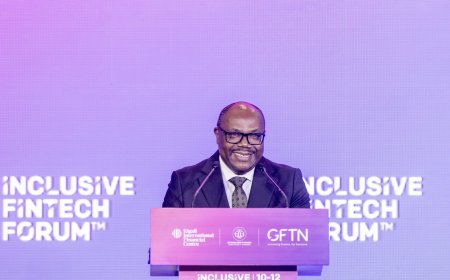
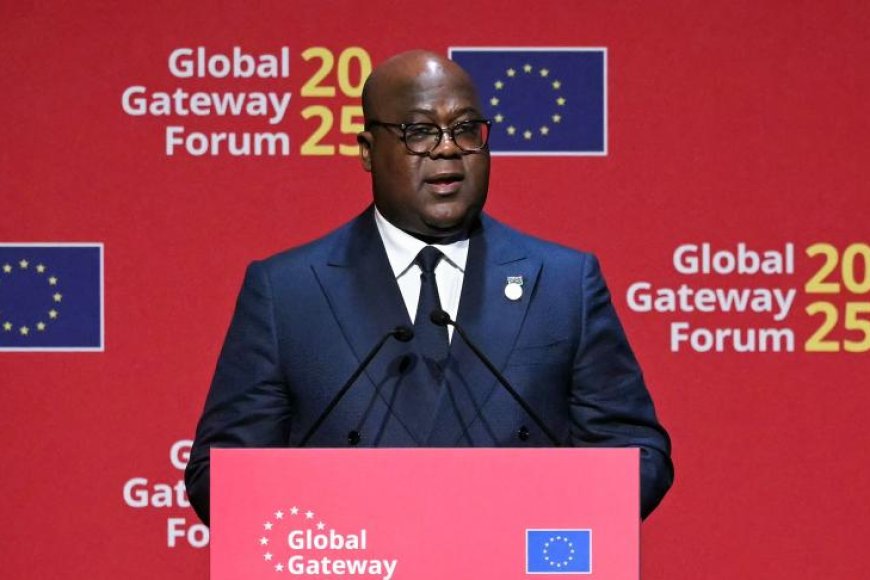
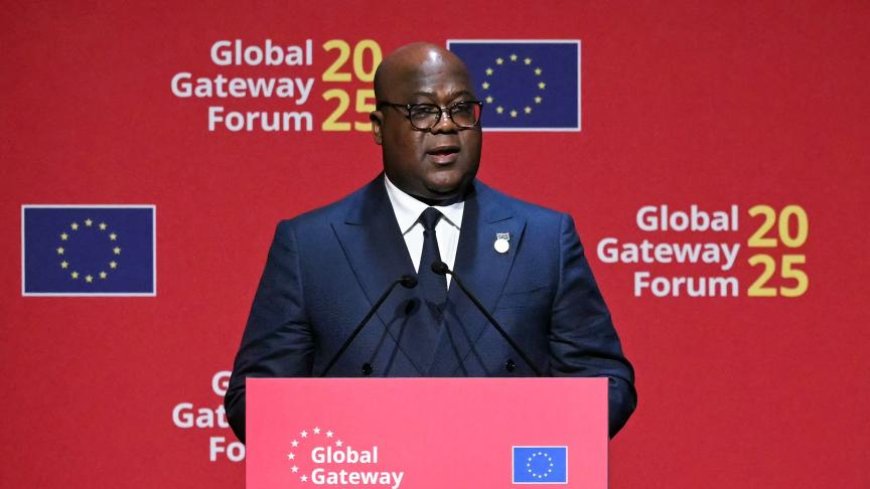
Finally, President Tshisekedi must stop turning major international forums into platforms for political theatre. Using prestigious economic summits such as the Global Gateway Forum to hurl insults, spread falsehoods, and level unfounded accusations against another head of state is incompatible with responsible diplomacy.
This scapegoating strategy and fabricated victimhood no longer deceive anyone. Instead, they erode the Congolese state’s credibility on the international stage.
History will remember deeds, not speeches. Today, a single courageous, lucid, and visionary act could prevent a wider conflict: President Tshisekedi must abandon the path of confrontation and reopen the difficult but essential road of political and diplomatic responsibility.
Peace will not emerge from belligerent posturing but from a deliberate choice: the rule of law over militias, reason over recklessness and peace over chaos.
The only man capable of putting an end to this dangerous drift in the DRC is President Félix Tshisekedi and he alone.