 Kinyarwanda
 English
 Swahili

























































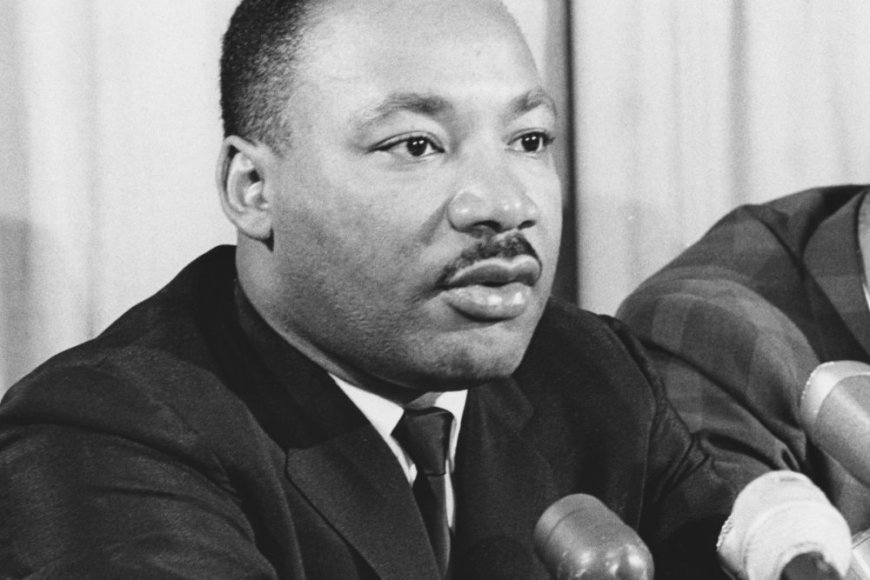
USA: Martin Luther King Jr.’s Assassination Files Declassified After 57 Years

The United States government has declassified and released more than 240,000 pages of documents related to the assassination of Martin Luther King Jr., the civil rights icon who led the movement against racial segregation in America.

The files were made public on July 21, 2025, through the National Archives’ website. The release follows an executive order originally initiated under the Trump administration and marks one of the most extensive public disclosures related to King’s death to date. Officials say more files are expected to be released in the coming months.
Martin Luther King Jr. was assassinated on April 4, 1968, in Memphis, Tennessee, while supporting a sanitation workers’ strike. James Earl Ray, a known segregationist, confessed to the killing but later recanted, claiming he had been set up. He died in prison in 1998.
The newly released documents include thousands of FBI records, surveillance files, intelligence reports on individuals possibly linked to King’s death, notes about Ray’s activities before and after the killing, and records from the time he fled to the UK.
Some of the files shed more light on longstanding accusations that the FBI under Director J. Edgar Hoover actively sought to discredit and destabilize King. Among these are records suggesting psychological pressure was placed on him including attempts to push him to suicide well before his death.
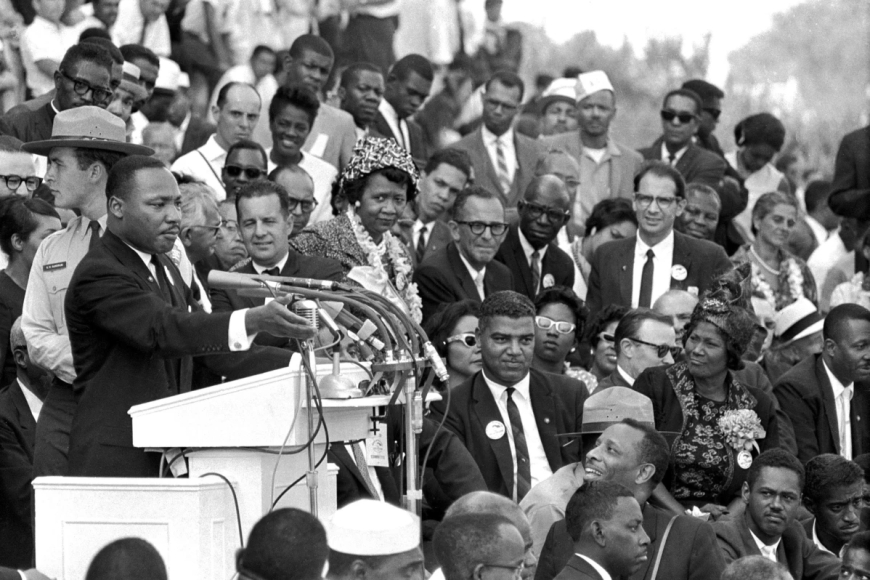
The declassification has reignited debates about who was truly behind King’s assassination. While James Earl Ray was convicted, many historians and King family members have long suspected that the killing involved elements of a broader conspiracy, possibly including U.S. intelligence agencies.
Tulsi Gabbard, the current Director of the FBI, said in a statement that the release was a step toward “transparency and historical accountability,” and encouraged the public to engage with the files responsibly.
King’s Family Opposes the Release
Martin Luther King Jr.’s children, Bernice King and Martin Luther King III, were given early access to review the files before they were made public. However, they have publicly denounced the release, warning that it could distort their father’s legacy.
In a joint statement on X (formerly Twitter), they wrote:
“We support truth and historical clarity, but we strongly reject any misuse of our father’s name or reputation. We intend to carefully examine the contents of these files to assess whether James Earl Ray truly acted alone or was used as a scapegoat.”