issa
Tutsiphobia in the DRC: When Hate Becomes an Ideology of Extermination

Tutsiphobia in the DRC: When Hate Becomes an Ideology of Extermination

Oct 29, 2025 - 22:25
 0

An in-depth analysis of how Tutsiphobia in the Democratic Republic of Congo has evolved from ordinary tribal prejudice into a deliberate ideology of extermination. The article explores the distinction between tribalism as a social flaw and anti-Tutsi hatred as a systematic political weapon that threatens the very essence of humanity.


There is no attempt here to draw a false equivalence between forms of hatred, but rather to understand their distinct nature and depth. A clear moral and conceptual line separates ordinary tribalism a social pathology rooted in ignorance and fear from Tutsiphobia, a calculated, ideological hatred that transcends prejudice to become a deliberate project of destruction.

Tribalism, though deeply corrosive, is a moral and political weakness a failure of empathy that fractures societies, undermines national cohesion, and replaces bridges with walls.

In the Democratic Republic of Congo (DRC), tribalism has evolved beyond social dysfunction. It has become a structure of power an institutionalized system woven into state discourse, political appointments, and mechanisms of governance.

This politicization of identity transforms ethnicity into a tool of domination. Belonging becomes currency a passport to privilege or a pretext for exclusion. In such a system, loyalty to the clan outweighs competence, and the promise of national unity collapses under the strain of factional interests.

Yet Tutsiphobia stands apart. It is not born of ignorance, but of intent. It is not prejudice, but ideology a systematic, racialized hatred that targets the Tutsi people not for what they do, but for who they are.

This dehumanizing ideology, which fueled the 1994 genocide against the Tutsi in Rwanda, has resurfaced in new forms across the region stoked by political narratives that distort truth and exploit historical grievances.

Where tribalism divides, Tutsiphobia kills. Where tribalism erodes trust, Tutsiphobia annihilates humanity itself.

By every measure of international law, Tutsiphobia represents an absolute moral crime the denial of personhood and the systematic effort to erase a people for their identity rather than their actions.

For anyone committed to justice and truth, distinguishing between these two evils is essential. Institutionalized tribalism corrupts coexistence; Tutsiphobia corrupts the human soul.

One destroys the state; the other destroys the very idea of being human. One is driven by fear; the other by the deliberate will to obliterate memory, lineage, and identity.

This is where the moral boundary lies. Some individuals are hated for their actions betrayal, abuse, or injustice and such animosity, while regrettable, remains within the realm of moral accountability.

But others particularly the Tutsi are hated for their very existence. That hatred of being, which once fueled genocide, remains one of the darkest legacies haunting the Great Lakes region today.

It is not an opinion. It is not passion. It is a crime  a failure of humanity and reason. And only truth, faced without hesitation or distortion, can begin to heal it.

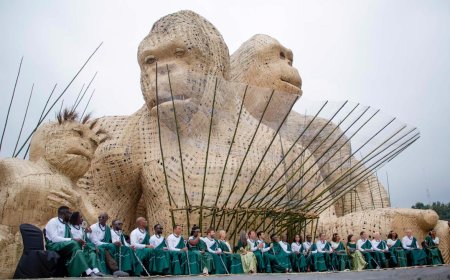
Tribalism remains a moral and political scourge  a collective weakness born of ignorance and fear of others. (Photo/INTERNET)


Layla kamanzi Layla Kamanzi is a passionate journalist and creative writer with a keen eye for impactful storytelling. As a Journalism and Mass Communication student at Mount Kenya University, she is dedicated to using words as a tool to inform, inspire, and amplify the voices of everyday people. Driven by curiosity and a love for truth, Layla explores stories that shape communities and spark meaningful conversations. She enjoys blending facts with compelling narratives to create content that educates, empowers, and connects audiences across East Africa and beyond.

Tutsiphobia in the DRC: When Hate Becomes an Ideology of Extermination

Oct 29, 2025 - 22:25
 0
Tutsiphobia in the DRC: When Hate Becomes an Ideology of Extermination

An in-depth analysis of how Tutsiphobia in the Democratic Republic of Congo has evolved from ordinary tribal prejudice into a deliberate ideology of extermination. The article explores the distinction between tribalism as a social flaw and anti-Tutsi hatred as a systematic political weapon that threatens the very essence of humanity.


There is no attempt here to draw a false equivalence between forms of hatred, but rather to understand their distinct nature and depth. A clear moral and conceptual line separates ordinary tribalism a social pathology rooted in ignorance and fear from Tutsiphobia, a calculated, ideological hatred that transcends prejudice to become a deliberate project of destruction.

Tribalism, though deeply corrosive, is a moral and political weakness a failure of empathy that fractures societies, undermines national cohesion, and replaces bridges with walls.

In the Democratic Republic of Congo (DRC), tribalism has evolved beyond social dysfunction. It has become a structure of power an institutionalized system woven into state discourse, political appointments, and mechanisms of governance.

This politicization of identity transforms ethnicity into a tool of domination. Belonging becomes currency a passport to privilege or a pretext for exclusion. In such a system, loyalty to the clan outweighs competence, and the promise of national unity collapses under the strain of factional interests.

Yet Tutsiphobia stands apart. It is not born of ignorance, but of intent. It is not prejudice, but ideology a systematic, racialized hatred that targets the Tutsi people not for what they do, but for who they are.

This dehumanizing ideology, which fueled the 1994 genocide against the Tutsi in Rwanda, has resurfaced in new forms across the region stoked by political narratives that distort truth and exploit historical grievances.

Where tribalism divides, Tutsiphobia kills. Where tribalism erodes trust, Tutsiphobia annihilates humanity itself.

By every measure of international law, Tutsiphobia represents an absolute moral crime the denial of personhood and the systematic effort to erase a people for their identity rather than their actions.

For anyone committed to justice and truth, distinguishing between these two evils is essential. Institutionalized tribalism corrupts coexistence; Tutsiphobia corrupts the human soul.

One destroys the state; the other destroys the very idea of being human. One is driven by fear; the other by the deliberate will to obliterate memory, lineage, and identity.

This is where the moral boundary lies. Some individuals are hated for their actions betrayal, abuse, or injustice and such animosity, while regrettable, remains within the realm of moral accountability.

But others particularly the Tutsi are hated for their very existence. That hatred of being, which once fueled genocide, remains one of the darkest legacies haunting the Great Lakes region today.

It is not an opinion. It is not passion. It is a crime  a failure of humanity and reason. And only truth, faced without hesitation or distortion, can begin to heal it.
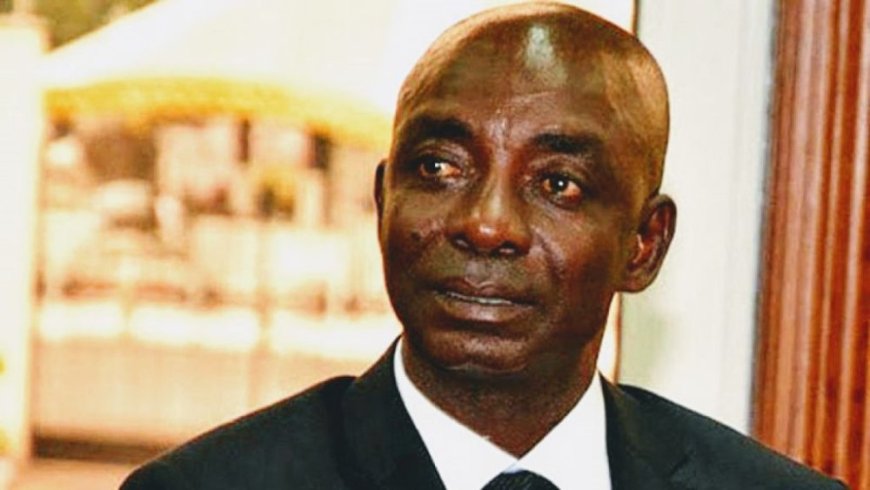
Tribalism remains a moral and political scourge  a collective weakness born of ignorance and fear of others. (Photo/INTERNET)