 Kinyarwanda
 English
 Swahili





























Senators Push for Deeper International Partnerships under RCI

The Rwandan Senate has called for stronger international partnerships under the Rwanda Cooperation Initiative (RCI) to help the country benefit more from knowledge sharing with developing nations.

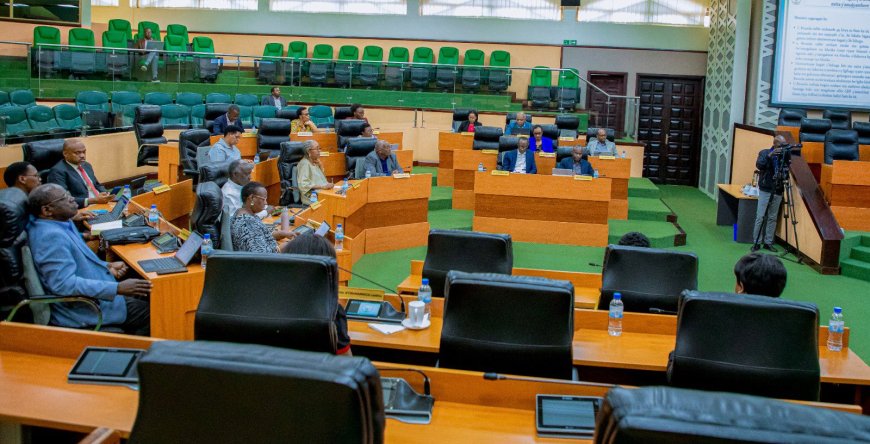
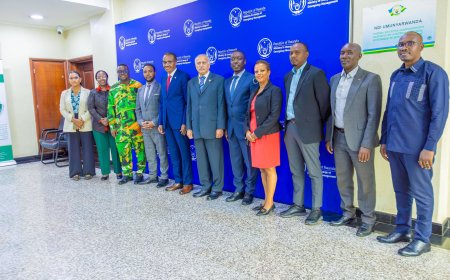
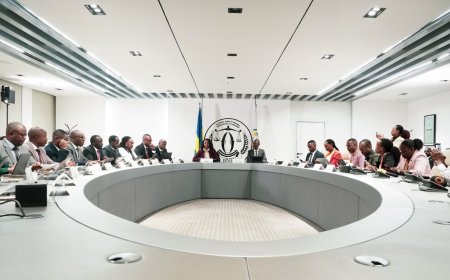
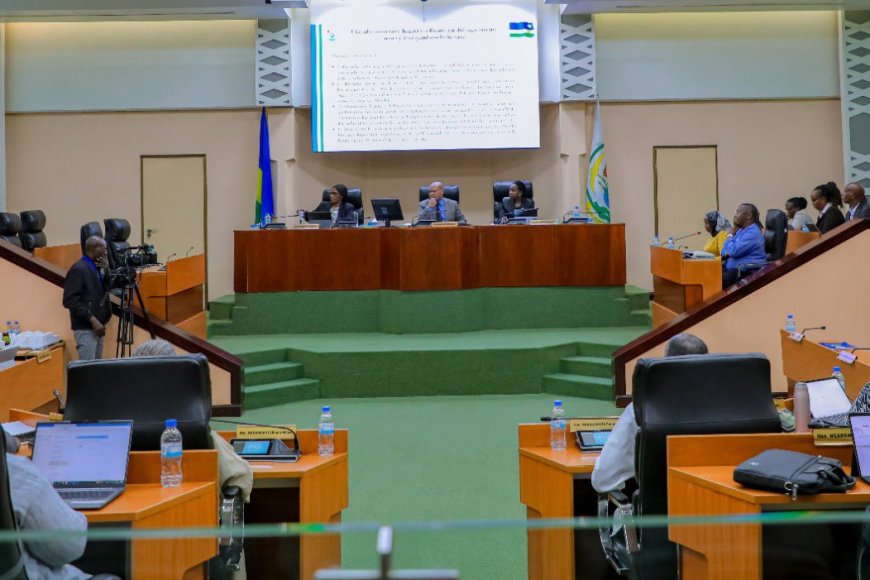
The Senate Plenary Session, chaired by the Committee on Foreign Affairs, Cooperation and Security led by Hon. Ndangiza Murangwa Hadija, convened this Wednesday of July 2025 to review and adopt a report assessing the progress of the Rwanda Cooperation Initiative (RCI). Created in 2018, the RCI aims to boost South-South Cooperation, foster knowledge exchange, and strengthen Rwanda’s collaboration with other developing countries, while tackling obstacles that can hinder implementation.
Presenting the report, the Committee reminded lawmakers that the idea of cooperation among developing nations dates back to the 1955 Bandung Conference in Indonesia, where 29 Asian and African states agreed to unite against colonialism and build mutual development laying the foundation for modern South-South Cooperation.
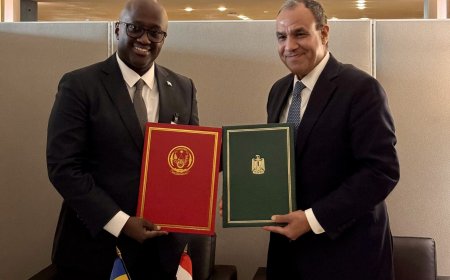
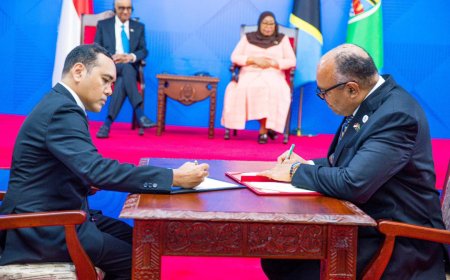
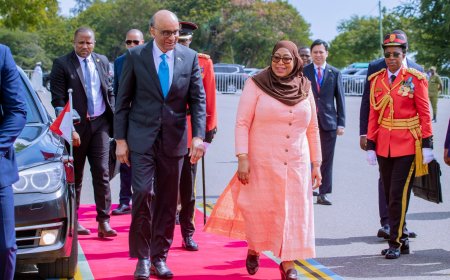
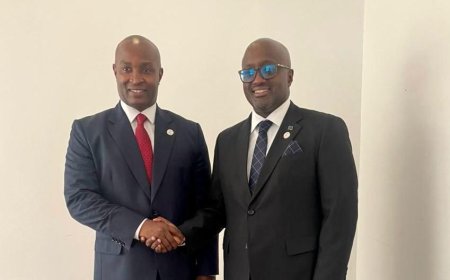
According to the report, the RCI has enabled Rwanda to sign various cooperation agreements and share skills in sectors like health, education, ICT, and agriculture. The Minister of Foreign Affairs noted that Rwanda currently maintains 49 embassies worldwide, underlining the country’s growing diplomatic network.
The Minister highlighted that MINAFFET works closely with other ministries including Health and ICT to align RCI projects with the National Strategy for Transformation (NST2). He also stressed the importance of parliamentary diplomacy, saying that having lawmakers actively involved helps Rwanda build trust and follow up on signed agreements.
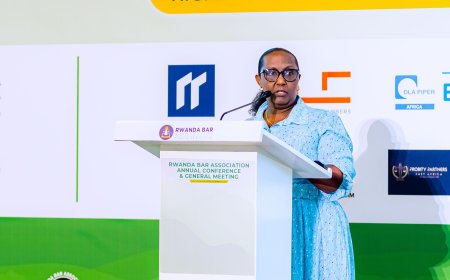
Hon. Ndangiza Murangwa Hadija, the Committee Chairperson, said: “The Rwanda Cooperation Initiative has helped position our country as a credible partner for knowledge exchange. But more effort is needed to strengthen our collaboration with African countries and ensure proper follow-up.”
Senator Mureshyankwano raised concerns: “What happens when countries withdraw from agreements or fail to honour commitments? How do we handle that?”
In response, the Committee Chairperson explained:
“Some projects do not move forward due to lack of political will from some partners. For example, the railway project mentioned here is not under the RCI but under older bilateral frameworks. Other projects under RCI are well monitored to deliver results.”
At the end of the session, the Committee urged the Senate to continue supporting the RCI, calling for stronger efforts to deepen regional and global partnerships. This, they stressed, would help Rwanda exchange knowledge, find local solutions with peer nations, and contribute to the country’s sustainable development goals.