 Kinyarwanda
 English
 Swahili


































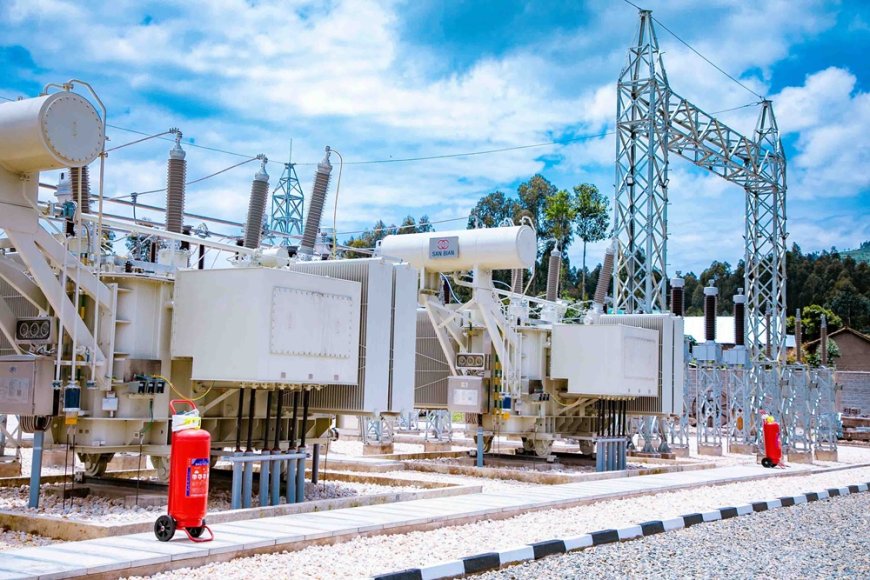
Rwanda has connected electricity to more than 2,100 sectors

The Ministry of Infrastructure has announced that the national goal of achieving 100% electricity access by 2029 is achievable, with strong progress already made across the country.

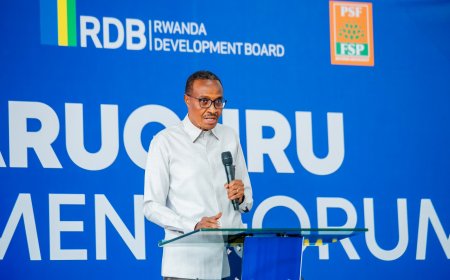
This was revealed by the Minister of Infrastructure, Dr. Gasore Jimmy, during an interview with national television focused on Rwanda’s target of universal access to electricity and water by 2029.
Dr. Gasore said that Rwanda has now reached about 84% electricity access for citizens, and almost all sectors in the country are connected to electricity. Out of 2,148 sectors, 2,133 already have electricity, leaving only 15 without access.
He said: “We are now at 84% electricity access for citizens, and almost all sectors are electrified—about 99%. Only 15 sectors remain, and projects are already underway to connect them.”
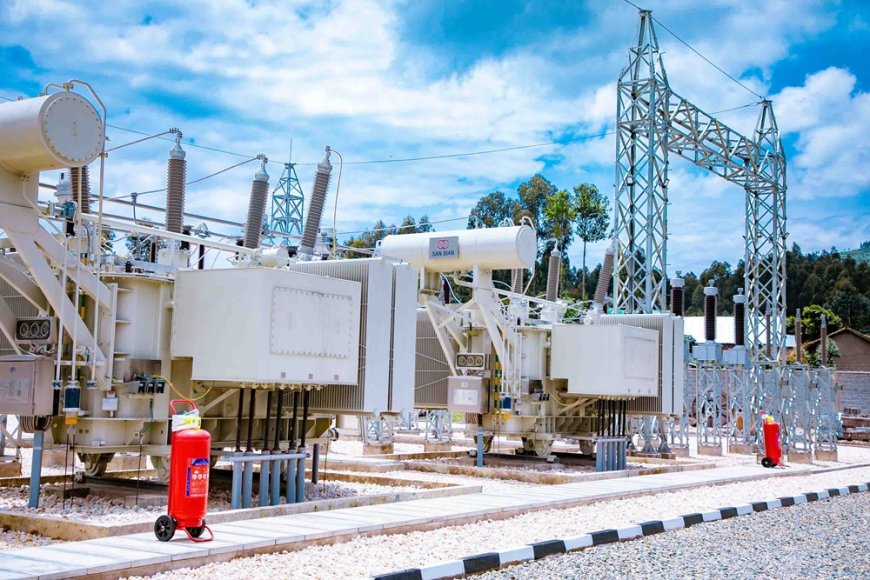
He explained that sectors were used as a planning unit because Rwanda has about 3,000 settlement sites, which align closely with sector boundaries. Once all sectors are fully electrified, all residents in designated settlement areas will have access to electricity.Dr. Gasore noted that the electrification program is divided into four main components, including expanding the grid, building new infrastructure, and upgrading existing transformers. For example, in Kigali alone, 440 transformers will be replaced this year with higher-capacity ones to improve electricity supply.
He assured that by 2029, electricity challenges in Rwanda will be fully resolved.
“The year 2029 will end with all citizens having access to reliable and sufficient electricity,” he said.
Several ongoing projects are contributing to this progress. One project completed in April this year connected electricity to 190,000 households across 10 districts. Another ongoing project will provide electricity to 190,000 new households in districts including Musanze, Ngororero, Rubavu, Nyabihu, and Rusizi.
A separate project will connect 32,000 households in districts such as Ruhango, Nyanza, Huye, Gisagara, Bugesera, Rwamagana, Kirehe, Ngoma, Gatsibo, Nyagatare, and Kayonza.
Another major project targets 450,000 households, of which 400,000 will be connected to the main electricity grid, while 50,000 households in areas not planned for continued settlement will receive off-grid solar systems.
Dr. Gasore explained that these 50,000 households are located in areas designated by Rwanda’s master plan as non-residential zones, such as agricultural land or forests.
“For those areas, extending the main grid would be inefficient. Instead, we provide solar energy solutions,” he said.
He added that electricity development also prioritizes key infrastructure such as industries, schools, and health facilities.
On energy expansion, Dr. Gasore said Rwanda expects to sign agreements during the upcoming CEO Forum in Kigali to secure 200 megawatts of solar energy. Additional projects include hydroelectric dams under construction and floating solar power on lakes.
Rwanda is also strengthening regional electricity interconnections with neighboring countries. Cooperation with Uganda has been ongoing for three years, discussions with Tanzania are advanced, and some grid connections with Burundi have already begun.
These connections allow countries to support each other in case of power shortages, preventing major disruptions when one grid experiences failure.
He also mentioned long-term plans to develop nuclear energy after 2029.
Dr. Gasore emphasized that electrification is being implemented based on settlement planning and land-use master plans, which have now been approved across most districts in the country.