 Kinyarwanda
 English
 Swahili























Ministry of Infrastructure pledges to end water shortages

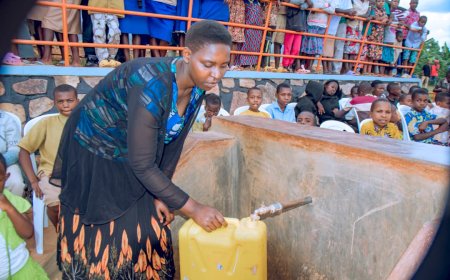
The Ministry of Infrastructure (MININFRA) has announced that Rwanda is on track to resolve the problem of water shortages within the next two years, with major investments underway to expand supply across the country.

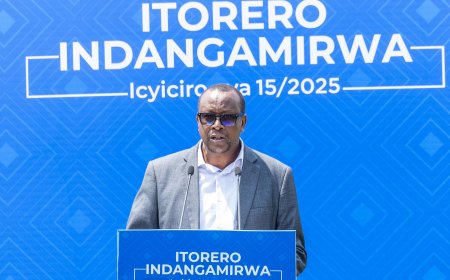
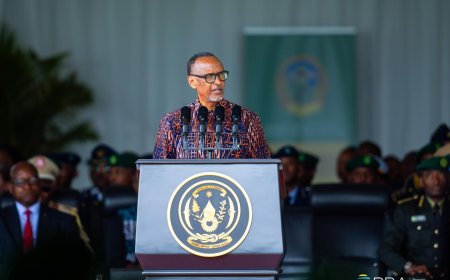
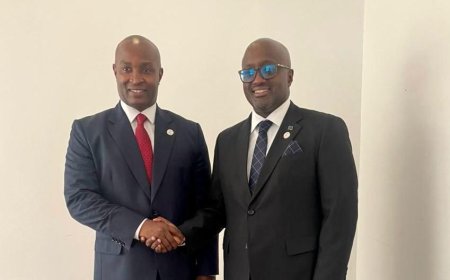
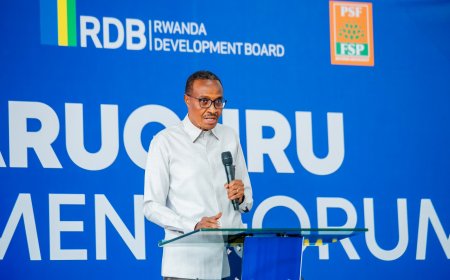
Speaking in an interview with RBA on Thursday, September 11, 2025, State Minister in MININFRA, Amb. Jean de Dieu Uwihanganye, assured citizens that water scarcity, particularly in Kigali and other districts severely affected during the dry season, will soon be history.
“People, especially in Kigali, should understand that water shortages are not permanent. By next summer, the situation will have improved significantly, and within two years it will be completely solved,” he emphasized.
Among the flagship projects is the expansion of the Nzove Water Treatment Plant, which currently produces 80,000 cubic meters per day. Its capacity will rise to 150,000 cubic meters once upgrades are completed. By 2026, an additional 25,000 cubic meters will be added, with the remaining upgrades expected by 2027.
Nzove will be complemented by the Nyabarongo II dam, expected to contribute over 40,000 cubic meters daily, as well as the Karenge plant in Rwamagana, which is near completion and will serve Kigali, and the Kanzenze facility in Bugesera, which is undergoing expansion to be finalized next year.
Kigali’s daily demand is estimated at 200,000 cubic meters, yet supply stands at only about 140,000 cubic meters. This gap has forced rationing, with some neighborhoods receiving water once every three days. The challenge has been more acute during the dry season, especially in Kigali, Gisagara, and Muhanga, where declining river flows make water treatment more difficult.
According to the Seventh Integrated Household Living Conditions Survey (EICV7), released by the National Institute of Statistics of Rwanda (NISR) in April 2025, about 90% of households in Rwanda now have access to improved water sources, up from 87% in 2017.
Access to piped water inside homes or bottled water rose from 9% in 2017 to 16% in 2024, while piped connections to neighbouring houses or public standpipes increased from 35% to 39%.
Short-term interruptions have also been recorded in areas like Kabeza and Gasogi due to network upgrades, while Gikondo faces constraints because of shared supply with Bugesera.
Long-term national strategy
Beyond Kigali, the government is constructing and upgrading water treatment plants in districts including Muhanga, Musanze, and Nyagatare, to ensure a reliable and sustainable national water supply.
“The goal is that within two years, water shortages will no longer exist, and every household will have adequate and timely access,” Amb. Uwihanganye noted.
This vision is in line with Rwanda’s National Strategy for Transformation (NST2), which targets universal access to safe and clean water by 2029.